

Understanding The role of food in household financial planning. It's the first step towards reorganizing household finances without compromising the health and well-being of the family.
Announcements
When we analyze the financial spreadsheet, food purchases emerge like a silent dragon, second only in volume to rent or mortgage payments.
Adjusting the tap on daily expenses transforms the family budget, creating essential cash flow for investments or that much-desired emergency fund.
Summary
- Why do food expenses have such a significant impact on the family budget?
- How does food waste directly affect families' finances?
- What practical strategies can sustainably reduce grocery bills?
- Comparative data on costs and consumption habits
- What is the relationship between nutritional health and the long-term economy?
- Conclusion
- Frequently Asked Questions (FAQ)
Why do food expenses have such a significant impact on the family budget?
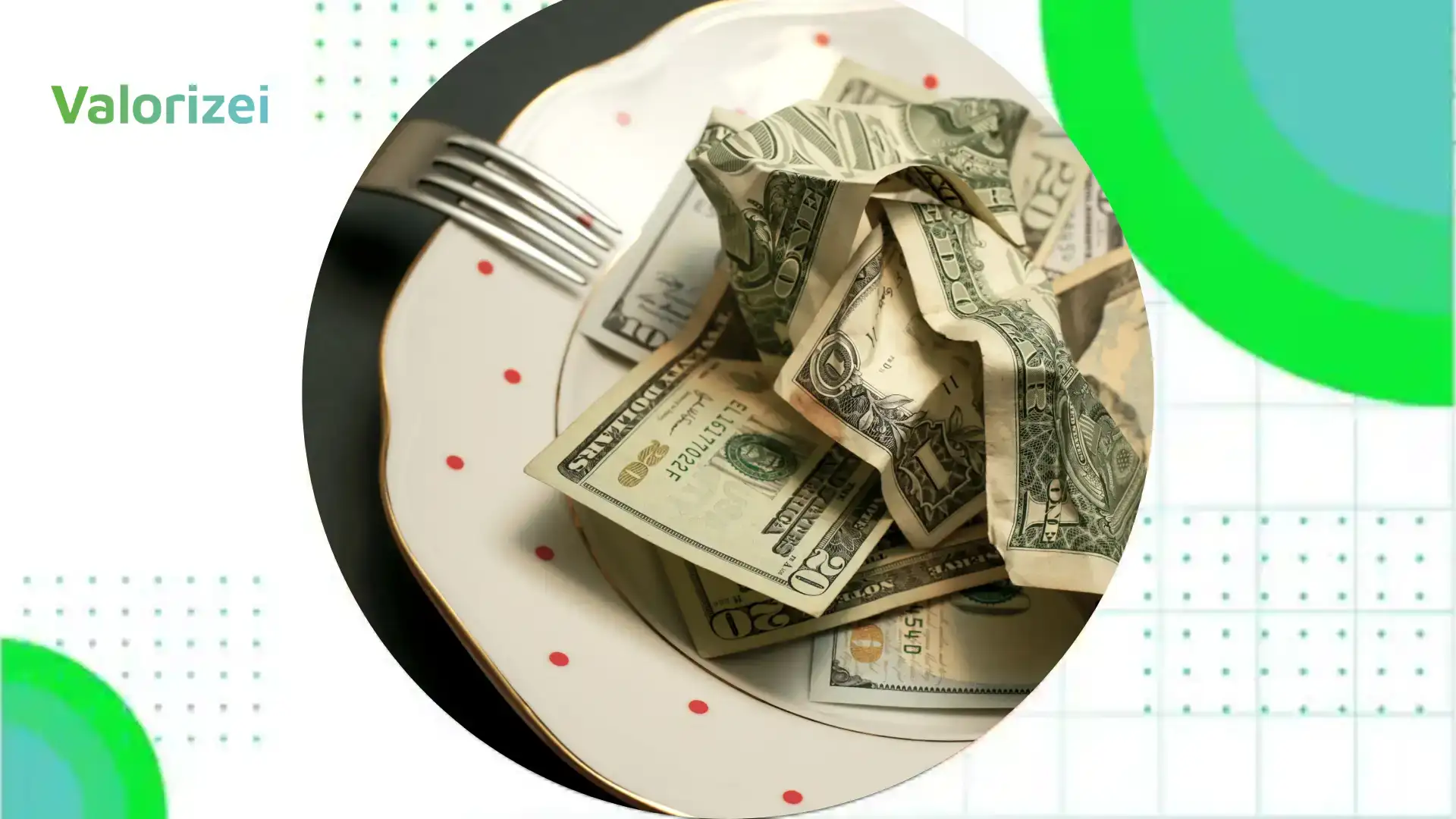
The danger of meal costs lies in their everyday invisibility and the relentless frequency with which they occur month after month.
Delivery apps, snacks from the bakery, and impulsive trips to the market stall may seem harmless on their own, but together they bleed your monthly income with frightening efficiency.
There's something unsettling about how food inflation erodes purchasing power without warning, requiring constant juggling when it comes to stocking the pantry.
Mapping these invisible bottlenecks requires looking at the kitchen not as an immutable fixed cost, but as a flexible and manageable cost center.
Apply The role of food in household financial planning. In practice, it guarantees the necessary margin to protect the family against unforeseen events without sacrificing quality of life.
How does food waste directly affect families' finances?
Throwing food in the trash is the domestic equivalent of burning banknotes on the stove, accumulating silent losses throughout the year.
Buying without checking the pantry causes vegetables and dairy products to spoil at the back of the refrigerator, becoming waste before they even make it into the pan.
Modern consumers often fall into the trap of visual abundance, filling their shopping carts without a clear plan for what to do in the following days.
Organizing the arrangement of items and learning simple preservation techniques extends the shelf life of food, making every penny spent on the purchase worthwhile.
The magic happens when the household becomes more operationally efficient: waste decreases drastically, and the checking account balance finally breathes easier at the end of the month.
What practical strategies can sustainably reduce grocery bills?
Planning your weekly menu before even stepping into the grocery store is the most profitable decision you can make for your financial health.
Knowing exactly what goes into the pot avoids impulse purchases, cutting out idle strolls through aisles full of tempting processed and superfluous foods.
Respecting the seasonality of fruits and vegetables ensures tastier products for a fraction of the price, taking advantage of the peak harvest seasons of regional farmers.
Switching from established brands to supermarket own-brand lines typically reduces costs by up to thirty percent without any real loss of quality.
Monitor the indicators of Foundation Institute of Economic Research (Fipe) It helps to understand the real fluctuation of prices before leaving home to fill up.
Comparing the cost per kilogram instead of the package price reveals classic marketing tricks, refining your purchasing intelligence with each trip to the retailer.
Buying in bulk requires editorial caution: stockpiling makes sense for cleaning products and grains, but it becomes a pure loss if the item spoils on the shelf.
Understanding The role of food in household financial planning. It means transforming a trip to the supermarket into a strategic, conscious, and highly profitable operation.
How does proper food freezing prevent financial losses in the kitchen?
Learning how to freeze ready-made meals and fresh ingredients is a simple strategy to protect your daily budget.
Proper use of airtight containers and date labels prevents food from losing texture, flavor, and nutrients in the refrigerator.
By dividing large portions into individual lunch boxes, you ensure convenience on busy days and eliminate the temptation to order delivery.
This intelligent management of shelving and freezers reduces waste to zero, ensuring that every penny invested is put to good use.
+ Indebted middle class: consumption changes after expensive credit.
What is the real impact of seasonality on monthly food purchases?
Buying fruits, vegetables, and greens out of season inflates the cost of your grocery shopping without delivering the ideal flavor.
Seasonal production takes advantage of favorable weather, generating abundance in the fields and low prices in the market.
By respecting the natural rhythms of food, you ensure more nutritious meals while saving valuable resources each month.
Replacing imported items with local, seasonal products reduces embedded logistics costs and ensures fresher ingredients on the table.
This conscious choice strengthens regional producers and creates an immediate saving in your family's weekly budget.
+ What Changes When Purchasing Power Decreases?
Comparative data on costs and consumption habits
Managing costs in the kitchen requires facing cold, hard numbers. The table below clearly shows how the choice of supply method shapes the health of your wallet:
| Consumption Profile | Average Monthly Cost | Estimated Waste Level | Impact on the Family Budget |
| Planned (Lunchbox / Closed List) | Bass (1.0x) | Minimum (< 5%) | High savings potential |
| Intermediate (No list / Bi-weekly market) | Medium (1.4x) | Moderate (10% – 15%) | Neutral financial margin |
| Without Planning (Frequent Deliveries) | Elevated (2.5x) | High (> 20%) | Risk of budget deficit |
What is the relationship between nutritional health and the long-term economy?
The illusion of cheap, ultra-processed foods comes at a very high price when the bill arrives in the form of pharmacy bills and preventive medical appointments in adulthood.
Peeling more and unwrapping less prevents metabolic syndromes that drain the family's productive capacity and compromise future income with avoidable treatments.
Real food acts as a biological insurance policy, eliminating future expenses on ongoing medication and procedures resulting from a sedentary diet.
Taking control of the kitchen restores autonomy over ingredients, combining nutritional balance and heritage preservation in the same dish every day.
Treating food as a lifelong investment is the smartest shortcut to ensuring longevity with physical autonomy and a comfortable household budget.
How does reducing trips to the supermarket protect your household budget?

Reviewing how often you visit the supermarket is one of the most impactful fine-tuning adjustments you can make to curb the daily drain on your money.
Walking through the aisles several times a week exponentially increases visual exposure to tempting promotions, marketing triggers, and superfluous items.
Each visit to the store represents a new opportunity for small impulse purchases to drain your checking account balance without you even realizing it.
By concentrating purchases into bi-weekly or monthly installments, you force the creation of a rigorous consumption plan for the household routine.
This discipline reduces the frequent use of credit cards and requires the family to use the supplies and ingredients already available in the pantry.
Furthermore, less exposure to establishments drastically reduces invisible expenses such as fuel, ride-sharing services, and parking fees on a daily basis.
Shopping less frequently transforms going to the market into a strictly operational task, eliminating the leisure aspect that is usually very expensive.
Ultimately, this simple behavioral change preserves your financial reserves, consolidates new habits, and strengthens the family's control over its own budget.
+ Regional economy in Brazil: medium-sized cities lead growth.
Conclusion
Regaining control over household finances requires redefining our relationship with consumption and the food we set for ourselves daily.
It's not about embracing scarcity or cutting out the pleasure of eating well, but about eliminating the bleeding caused by negligence and predatory marketing.
By internalizing The role of food in household financial planning.The family budget gains the necessary stability to plan for bigger and more lasting goals.
To delve deeper into conscious consumption and consumer rights, consult the collection of... Brazilian Institute for Consumer Protection (Idec) about household economics.
Frequently Asked Questions (FAQ)
What percentage of income should be allocated to food?
Experts suggest allocating between 15% and 25% of the net budget to food expenses, adjusting the amount according to the number of dependents and the total household income.
Is cooking at home always cheaper than eating out?
Undoubtedly. By preparing your own meal, you eliminate restaurant profit margins, delivery fees, and taxes embedded in the food service chain.
How to avoid impulse purchases at the supermarket?
Always go prepared with food, bring a strict shopping list, set a spending limit beforehand, and preferably pay via debit or cash to get a feel for how much money is being spent.
Is buying from wholesalers worthwhile for small families?
It only pays off for non-perishable items and hygiene products. For fresh foods, the risk of rapid spoilage usually negates any quantity discount obtained.