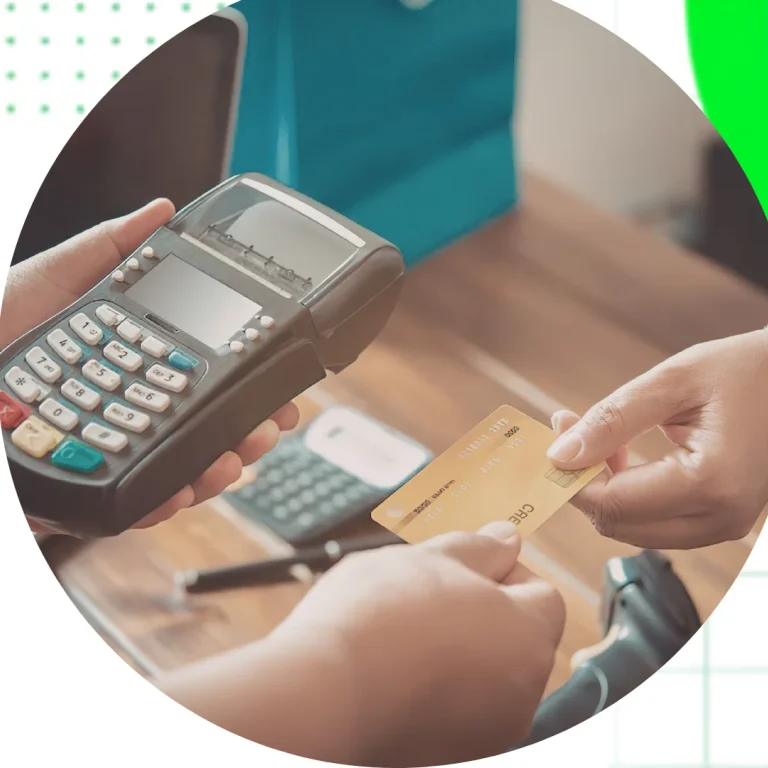

A crisis of physical stores It has violently reshaped the geography of national commerce in recent years, tearing large chains out of their comfort zone and pushing small merchants into an unprecedented operational crossroads.
Announcements
The model centered on the mere display of goods collapsed under the weight of expensive credit, the explosion of digital platforms, and a consumer whose attention has become the most sought-after asset in the economy.
The summary below details the anatomy of this structural metamorphosis, mapping it from the squeezing of profit margins to the emergence of a new hybrid operating model.
Summary
- The overall picture of in-person commerce in Brazil
- What factors triggered the crisis in physical stores in the national market?
- How are major retail chains adapting to the new reality?
- Which Brazilian regions were most impacted by the closure of units?
- What is the role of omnichannel in the survival of points of sale?
- Frequently Asked Questions (FAQ)
- Conclusion and perspectives on retail
The overall picture of in-person commerce in Brazil
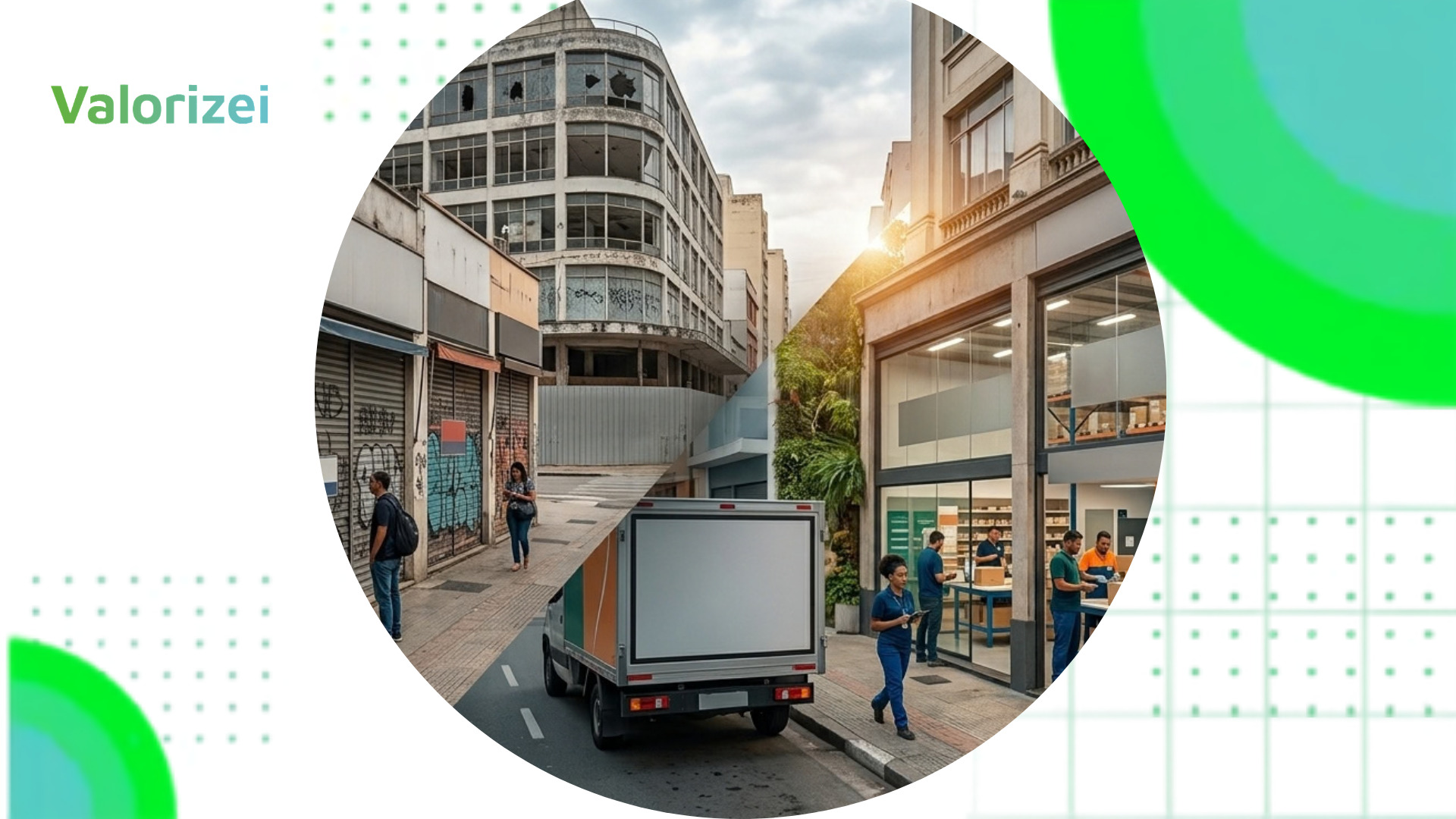
Walking through Brazilian urban centers today reveals a grim scenario: empty shop windows and "for rent" signs multiply where commerce once pulsed with almost chaotic intensity.
There is something deeply unsettling about the speed at which industry giants have shrunk, dragging down entire galleries and shopping centers that seem to have lost their very purpose for existing.
Excessive square footage has become a toxic liability. The cost per square meter in prime areas is stifling businesses that were slow to realize that consumers no longer tolerate queues and outdated inventory.
A crisis of physical stores It laid bare the collapse of blind-volume retail, forcing dramatic financial restructurings and the abrupt closure of thousands of retail outlets across the country.
The street-level shop hasn't died, but its historical function has become obsolete. Those who insist on treating it merely as a counter for exchanges suffer daily losses and the progressive abandonment of their clientele.
Physical interaction now needs to justify the value of immediate experience, functioning as a sensory point of contact that the cold screen of a smartphone cannot yet replicate.
What factors triggered the crisis in physical stores in the national market?
The perfect storm that hit the sector was not a fortuitous accident, but the predictable result of years of reliance on easy credit and the disorderly expansion of unsustainable branches.
Families suffocated by debt have cut back on non-essential expenses, while high interest rates have turned any working capital into an unsustainable financial burden for the most vulnerable shopkeepers.
Added to this was the ostentatious arrival of foreign marketplaces, which flooded the domestic market with cheap products and aggressive logistics, mercilessly eroding local profit margins.
Another decisive factor was the shift in household budgets towards services and entertainment, shrinking the share allocated to the traditional consumption of durable goods and clothing.
The delay in integrating inventory systems and the cultural resistance to digitizing the customer journey have condemned entire companies to a virtually irreversible market irrelevance.
How are major retail chains adapting to the new reality?
Faced with the collapse of the old model, industry executives were forced to perform a painful surgery on distribution networks, sacrificing unprofitable units without any emotional attachment.
The traditional sales floor has given way to small urban transshipment points, where the top priority is speed of dispatch and the convenience of quick pickup via the app.
Ironically, physical survival has come to depend on heavy automation: flow sensors, cashierless checkout, and algorithms predicting purchasing behavior right on the shelf.
This transition requires an astronomical amount of capital for training and technology, revealing an insurmountable chasm between large, established groups and small neighborhood businesses.
Those who lack the resources to finance this digital transformation end up trapped in a failed analog model, relying solely on luck to keep their doors open at the end of the month.
++ Countercyclical investments: assets for times of volatility.
Retail indicators and sector restructuring
The numbers shaping the reconfiguration of Brazilian commerce reflect the extent of the fracture in the sector. The table below compiles essential data for understanding the scale of this transition.
| Retail Indicator | Registered Metric | Impact on the Commercial Market | Data Source |
| E-commerce sales | Continuous cumulative growth | Migration of the flow of physical purchases to the virtual environment. | IBGE |
| Closure of Commercial Stores | Thousands of units closed. | Optimization of physical networks and return of rented properties. | CNC |
| Average Default Rate | High levels in families | Restriction of consumer credit and reduction in average spending. | Serasa Experian |
| Adoption of Hybrid Models | Accelerated expansion | Mandatory integration between physical inventory and digital platforms. | ABCOMM |
As IBGE's readings indicate, the shift in consumption habits is not a passing fad, but a permanent redefinition of the rules of the Brazilian commercial game.
++ Gold in your portfolio: why the metal is back on the radar in 2026
Which Brazilian regions were most impacted by the closure of units?
The impact of this slowdown did not spread its scars evenly across the country, concentrating its most visible damage in the large metropolitan centers of the Southeast.
Historic avenues in São Paulo and Rio de Janeiro have become portraits of commercial vacancy, where astronomical rents have overwhelmed the revenue-generating capacity of businesses.
A crisis of physical stores It also hit the interior hard, shattering the illusion that regional markets would remain immune to the fierce competition from fast e-commerce deliveries.
Meanwhile, in the South and Northeast, the dynamics varied according to local purchasing power and the logistical bottleneck that still increases freight costs for certain product categories.
Medium-sized cities have seen the decline of traditional fashion retail accompanied by the aggressive expansion of wholesale retailers, which have captured consumers focused strictly on low prices.
This reconfiguration of urban space alters municipal revenue and forces city governments to revise the zoning of historically established commercial areas that are now suffering from neglect.
What is the role of omnichannel in the survival of points of sale?

Omnichannel is often misinterpreted as simply creating a website or sales app alongside physical operations, but the reality is infinitely more complex.
Today's customer sees no barriers between the physical and virtual worlds; they demand the same speed, pricing, and transparency at every touchpoint with the brand.
Overcoming crisis of physical stores It requires transforming the physical space into a center of experience and convenience, where the purchase is almost a side effect of the relationship.
When a physical store starts operating as a mini-distribution center, shipping costs plummet and delivery times drop to just a few hours, stifling purely digital competition.
This operational fusion generates a wealth of valuable data about human behavior, allowing for real-time inventory adjustments and preventing the accumulation of unsold seasonal goods.
The future belongs to brands that understand that the medium no longer matters: the customer wants to solve their problem with the least amount of friction possible, whether at the counter or on the screen.
++ Barbell portfolio: a strategy that's back in the spotlight.
Frequently Asked Questions (FAQ)
What exactly is the crisis of physical stores?
It is the process of accelerated contraction and closure of physical retail locations, driven by changes in consumer behavior, the growth of e-commerce, inflation, and high building maintenance costs.
Will physical stores disappear completely in Brazil?
No. They are abandoning the function of mere product warehouses to become logistical hubs supporting e-commerce and spaces focused on the experience and relationship with the brand.
How does omnichannel help small retailers?
It allows small business owners to use simple digital channels to attract local customers to their physical location, creating an integrated ecosystem that reduces attraction costs and builds neighborhood loyalty.
Which sectors of physical retail were most affected?
Home appliances, bookstores, basic clothing stores, and department stores suffered the biggest blows, pressured by direct competition from global marketplaces and the decline in families' purchasing power.
Conclusion and perspectives on retail
The reconfiguration of brick-and-mortar retail in Brazil definitively shatters the illusion that having hundreds of open stores is automatically synonymous with financial strength or market dominance.
The dust that settles on the closure of so many establishments reveals a clear lesson: physical retail hasn't ended, but operational complacency has been summarily punished.
The successful crossing through crisis of physical stores It takes courage to abandon old formulas, streamline cumbersome structures, and prioritize genuine customer convenience over corporate dogma.
The new map of Brazilian commerce will be drawn by agile companies, capable of connecting the warmth of human service to the surgical efficiency of digital distribution networks.
To understand the direction of credit policies and the macroeconomic indicators that guide the national productive sector, it is worthwhile to follow the official data published by... Ministry of Finance.
.