
Government benefits and credit score These issues often generate frequent questions among citizens seeking to reorganize their financial lives and access credit lines in the formal Brazilian market.
Announcements
The urban myth persists that receiving government assistance lowers one's credit score or labels a citizen as a bad payer.
Clearing up this mess is the first step to taking control of your money without fear of invisible market reprisals.
Summary
- The myth of being penalized for state aid.
- What actually goes into your profile account?
- The logic of financial institutions in granting loans.
- The real role of the Positive Credit Registry.
- The strategic use of budget aid
- Practical steps to recover your banking reputation.
- FAQ straight to the point
- Final considerations
How does receiving government assistance affect your credit score?
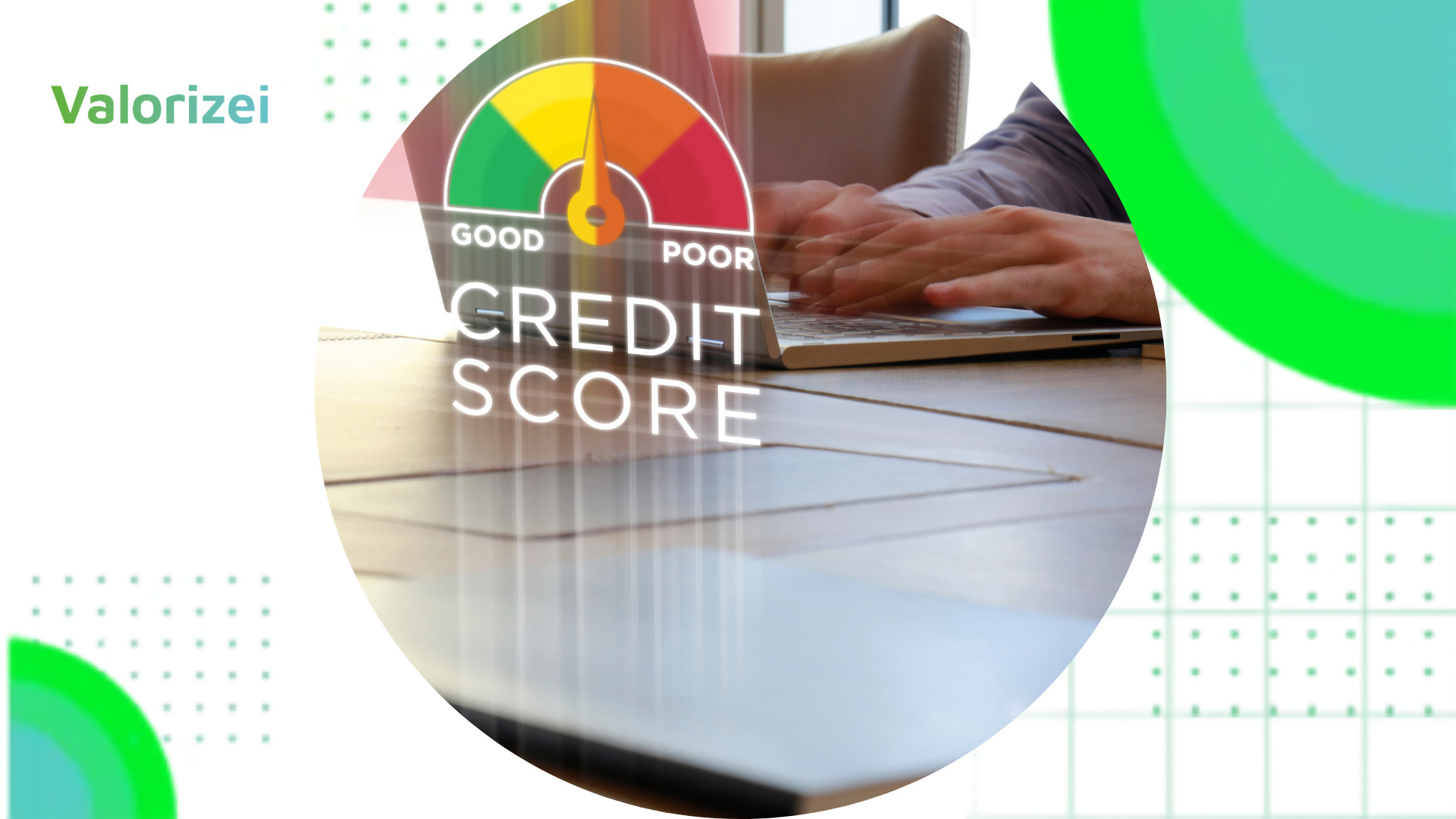
The short and straightforward answer is: receiving income transfers does not deduct a single point from your profile in credit protection databases.
Database management companies do not track or judge the legitimate source of their income; the focus is on fulfilling contracts.
The relationship between government benefits and credit score It is completely technically independent, since social programs do not generate recorded debt.
The algorithm searches for patterns of default, so the assistance benefit itself does not represent a direct risk to the national financial system.
There's something curious about how banking bureaucracy operates: assistance is a guaranteed right, not an outstanding debt collected through a notary.
Therefore, the fear of losing access to installment purchases simply because one is listed on the social program payroll is nothing more than popular misinformation.
What information is used to calculate your financial profile?
Since the consolidation of the Positive Credit Registry, market calculations prioritize the punctuality of daily consumption over a mere history of default.
The biggest weight in your score will be given to the regularity of your credit card payments and essential water or energy bills.
| Evaluation Criteria | Approximate Weight on the Note | Impact on the Consumer |
| Paying bills on time | 55% | High positive impact |
| History of negative debts | 33% | High negative impact |
| CPF (Brazilian taxpayer ID) lookup by creditors | 6% | Medium temporary impact |
| Evolution of the financial relationship | 6% | Low continuous impact |
Note how state aid doesn't even appear in this weighted equation that governs the consumer market in the country.
This metric shows that focusing on organizing fixed expenses produces more practical results than fearing audits of public revenues.
The score reflects payment behavior, without transforming the citizen's temporary vulnerability into a perpetual punishment within the banking system.
++ How to use temporary benefits without creating financial dependency.
Why do banks analyze beneficiaries' income with caution?
Even though the indicator doesn't fall, the bank manager analyzes the actual ability to pay before releasing a new credit limit.
Welfare benefits are transitional and provide basic coverage, which leads risk analysts to require additional supporting documentation.
No bank prefers to finance those who have already committed their entire livelihood, as the stated intention is to prevent families from becoming over-indebted.
Nevertheless, there are specific types of loans with withholding tax regulated by law, which offer significantly lower interest rates.
Understanding this filter prevents the frustration of having your request denied by separating the payer's reputation from their current net income.
++ QualificaProBR: a platform that connects workers to free courses.
Does the Positive Credit Registry record the receipt of welfare benefits?
The Positive Credit History is a record of fulfilled obligations; it registers paid invoices and installments settled within the agreed timeframe with the company.
The legislation protects consumer privacy by expressly prohibiting the exact origin of the money from appearing in public records.
To understand how the law protects your personal information from abuse, consult the material on the... Positive Credit History at the Central Bank.
Keeping welfare funds in your checking account helps create a clear and organized financial record for the institutions to follow.
Keeping proof of purchases linked to your CPF (Brazilian taxpayer ID) strengthens positive data, even when the expense comes from emergency aid.
Consistent payments demonstrate financial discipline and create an opportunity to gradually build trust with the banking sector.
How can I use government assistance to organize my finances?
Directing part of the aid towards negotiating old debts is the quickest move to stop the decline of your market indicator.
Removing CPF restrictions provides immediate relief in risk assessment, restoring your purchasing autonomy in the commercial market.
Paying installments on time signals a recovery of financial stability and a willingness to honor commitments, altering the perception of creditors.
A balanced household budget without excesses ensures that monthly expenses are covered, avoiding the temptation to resort to loan sharks or overdraft facilities.
Restructuring finances requires keeping your feet on the ground and making firm choices now to ensure peace of mind in your budget for the coming months.
Discipline in daily spending paves the way for greater achievements, such as purchasing work equipment or home renovations.
What strategies accelerate an increase in your credit score?
Improving your credit score doesn't happen by magic; it requires consistency and the complete elimination of any outstanding debts with credit bureaus or other restrictive agencies.
Setting up automatic payments prevents silly delays due to forgetfulness, safeguarding your positive payment history against everyday mishaps.
Up-to-date phone numbers and addresses convey transparency, facilitating communication with creditor companies in any potential debt renegotiations.
Slow down and avoid applying for multiple credit cards in the same week, as accumulated inquiries on your CPF (Brazilian taxpayer ID) signal desperation to the market.
Maintaining a long-term relationship with the same banking institution builds valuable bridges for obtaining better rates in the future.
The time spent paying bills strictly on time is the most solid tool to prove your financial stability to analysts.
Does receiving benefits prevent access to a credit card?
Being enrolled in a social program does not preclude obtaining a credit card, provided the available credit limit is sufficient.
Modern financial products, such as credit cards with limits tied to security deposits, are excellent entry points for a fresh start.
Treat government benefits and credit score Realistically, this means seeking tools that are suitable for your current budget.
Moving small credit limits and paying the full amount of the bill by the due date boosts your credit rating in a safe and consistent manner.
Never fall into the trap of paying only the minimum amount, as revolving credit card debt charges exorbitant interest rates that ruin any financial planning.
A practical demonstration of financial control encourages the bank to raise the credit limits granted in a sustainable and risk-free manner.
Digital platforms make it easier to track daily expenses, preventing surprises when it's time to balance the monthly budget.
How does updating the CadÚnico (Single Registry for Social Programs) relate to banks?
The Unified Registry is a tool exclusive to the Federal Government and does not communicate with the banking network for commercial purposes.
Managers and private risk analysis systems are not permitted to access the social assistance policy database.
Banks only access banking information that you have authorized via Registrato or standard reports from risk analysis companies.
Keeping your social security registration up-to-date ensures the continuity of government benefits without affecting your consumer profile in the market.
Separating the sphere of social rights from the business environment avoids unnecessary fears when requesting services or opening accounts.
The independence between public and private credit registries protects the dignity of citizens and discourages discriminatory practices in the credit market.
What is the impact of debt renegotiation through Desenrola?
Government initiatives to clear debts serve as an efficient shortcut to restoring the financial dignity of indebted individuals.
The removal of the negative entry occurs a few days after the initial payment of the agreement made on the platform.
The union between government benefits and credit score It becomes powerful when official campaigns offer real discounts on the outstanding balance.
Eliminating negative entries clears the consumer's record and allows their score to resume its gradual upward trajectory.
Taking advantage of the discounts offered by public debt renegotiations reduces the burden of debt, adjusting payments to the money left over each month.
Keeping our promises is essential to regaining the trust of businesses and avoiding a relapse into the spiral of uncontrolled debt.
Clearing one's name in the market represents the necessary turning of the page to plan bolder steps in personal and professional life.
++ Gov.br in 2026: services that can now be resolved without queues.
FAQ – Frequently Asked Questions
1. Does the Bolsa Família program lower your credit score at Serasa?
No. Receiving the benefit is not considered debt and does not affect your credit score.
2. Can someone receiving government assistance take out a payroll loan?
Yes, provided that the legislation for that specific benefit authorizes withholding at source and there are banks operating in this modality.
3. How long does it take for the credit score to improve after paying off debts?
The credit score begins to show signs of recovery in the months following the end of the negative credit report, accelerating with new, timely payments.
4. Does checking your own CPF (Brazilian taxpayer ID) score reduce your score?
No. Verification done by the account holder themselves through official channels is completely free and does not affect their financial profile in any way.
5. Does paying bills through your bank's app help improve your rating?
Yes, paying your bills on time will update your Positive Credit History, showing the market that you are a punctual payer.
Making proper use of government assistance while keeping up with commitments is the safest path to independence. To find out about your rights and details on official social programs, visit the website. Ministry of Development and Social Assistance.