
O increase in fuel prices impacts food prices in a profound and multifaceted way, reverberating throughout the production chain and directly affecting the consumer's pocket.
Announcements
In a globalized world, where logistics is the lifeblood of commerce, transportation costs become a determining factor in the final price of essential products.
But how exactly does the rise in the price of diesel, gasoline and other fuels translate into more expensive dishes on the table?
Find out everything below:
Rising fuel prices impact food prices
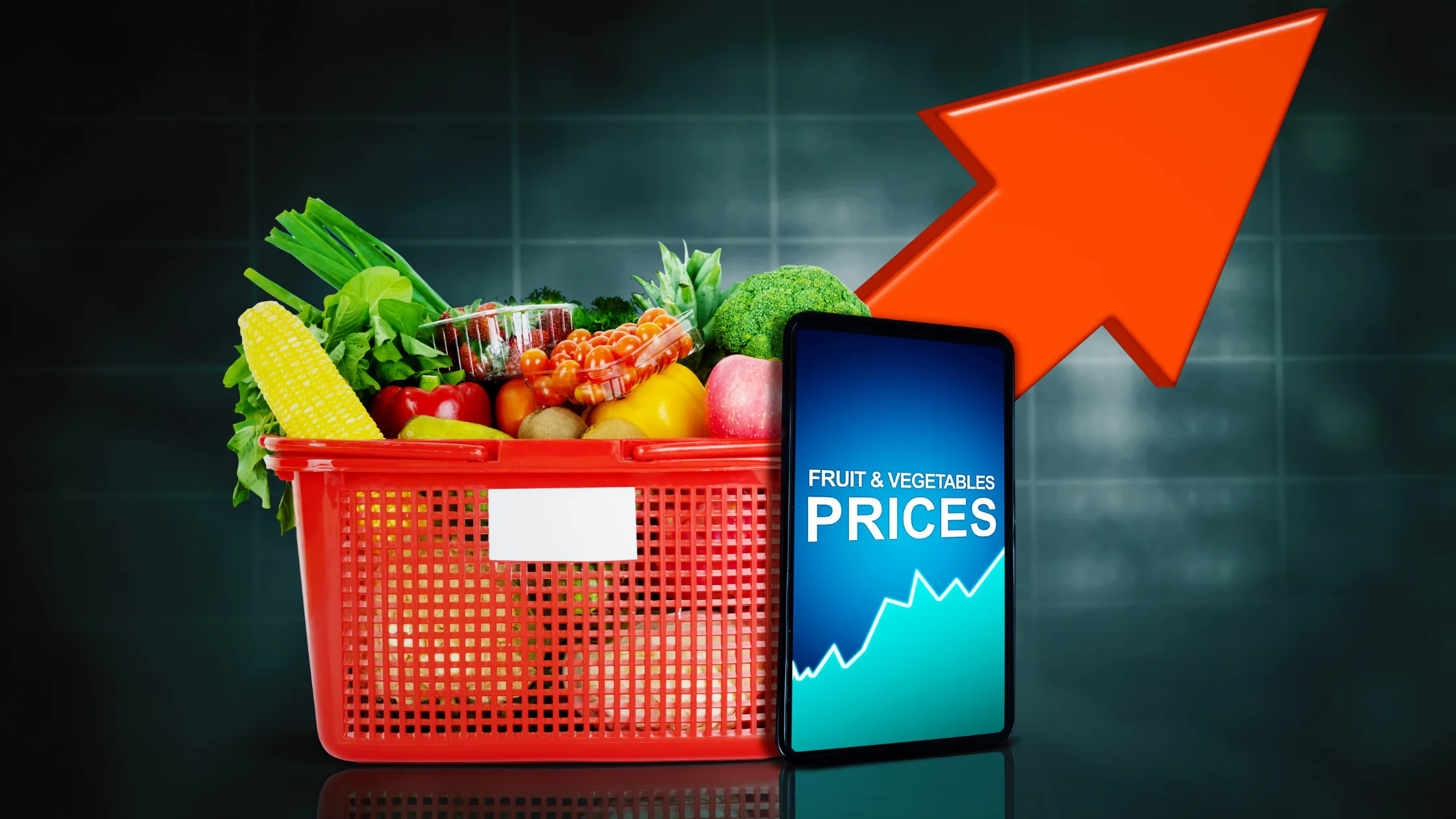
The relationship between fuels and food is a classic example of a domino effect: when the price of oil rises, every part of the supply chain is affected, from the farmer who plants it to the supermarket that sells it.
However, this dynamic is not just a matter of numbers; it reflects political choices, structural dependencies and even regional vulnerabilities.
With the aim of offering a clear and relevant analysis, this text delves into the main links in this chain.
In this sense, highlighting how the increase in fuel prices impacts the price of food and what this means for the end consumer.
After all, in a scenario of constant economic pressure, how can we balance the need for affordable food with the reality of rising energy costs?
1. The production chain and the weight of transportation
Rising fuel prices impact food prices, initially through transportation, which is the heart of the agricultural supply chain.
From the moment the seed is planted until the product reaches the shelf, transportation is present at every stage.
++ Strategies for B2B Businesses on a Limited Budget
Thus, agricultural inputs, such as fertilizers and pesticides, need to be delivered to farms; crops must be transported to processing centers; and final products, whether grains, meats or vegetables, travel long distances to markets.
When the price of diesel, the main fuel for trucks and agricultural machinery, rises, logistics costs soar, and these costs are inevitably passed on to the consumer.
Imagine, for example, a cooperative of orange producers in the interior of São Paulo.
To deliver its production to a supermarket in Manaus, the cooperative depends on trucks that travel thousands of kilometers.
A 20% increase in the price of diesel could raise transportation costs by R$ 5,000 per load, depending on distance and volume.
This additional cost is not absorbed by the cooperative, which already operates with tight margins, nor by the carrier, which faces fierce competition.
Instead, the supermarket receives the shipment at a higher price, which is reflected in the value of the orange to the consumer.
This is a concrete example of how rising fuel prices impact food prices, turning an affordable product into a more expensive item.
Furthermore, transportation is not the only villain.
Agricultural machinery, such as tractors and harvesters, also depends on fossil fuels.
A farmer who grows corn in Mato Grosso, for example, faces higher costs for plowing the land, sowing and harvesting when diesel becomes more expensive.
Other information
According to data from IBGE, in 2022, the cost of agricultural production in Brazil rose by 15% on average, with the increase in fuel prices being one of the main factors.
++ How to Create Savings Goals That Actually Work
This pressure not only raises food prices, but can also lead small producers to reduce the scale of production, reducing supply and further exacerbating food inflation.
| Production Chain Stage | Impact of Fuel Price Increases | Additional Cost Example |
|---|---|---|
| Transportation of supplies | Increase in the cost of fertilizers and pesticides delivered to farms | R$ 1,000 to R$ 3,000 per load |
| Agricultural production | Higher operating costs for machines (tractors, harvesters) | R$ 500 to R$ 2,000 per hectare |
| Distribution of final products | Increased transportation costs to markets and supermarkets | R$ 2,000 to R$ 10,000 per load |
2. The cascade effect on the economy and consumption
Rising fuel prices impact food prices not only directly, but also through a cascade effect that spreads throughout the economy.
When transportation costs rise, food processing industries – such as pasta factories, dairies or meatpacking plants – face higher expenses to receive raw materials and distribute their products.
This cost pressure builds up at each step, resulting in higher final prices for the consumer.
Furthermore, the increase in fuel prices also increases the cost of electricity, as many plants depend on petroleum derivatives, which makes the operation of industries and businesses even more expensive.
Consider the case of a bakery in Belo Horizonte that produces bread and cakes.
The wheat, imported largely from Argentina, arrives in Brazil by ship and is transported by trucks to the bakery.
With the increase in the price of marine fuel and diesel, the cost of wheat rises, impacting the price of flour.
At the same time, the electrical energy needed to operate the ovens also becomes more expensive.
The bakery then raises the price of sliced bread from R$ 5 to R$ 6.50.
++ How to Negotiate Debt Without Falling into Financial Traps
This increase, although it may seem small, is reflected in thousands of bakeries across the country, affecting the budgets of millions of families.
This example illustrates how rising fuel prices impact food prices in an indirect but equally significant way.
Furthermore, another critical aspect is the impact on consumer behavior.
When food becomes more expensive, low-income families, who spend a larger proportion of their income on food, are most affected.
Other information
A study by FAO (Food and Agriculture Organization of the United Nations) revealed that, in 2023, a 10% increase in fuel prices generated, on average, a 4% increase in global food prices.
This effect is even more pronounced in developing countries, where logistics infrastructure is less efficient and dependence on fossil fuels is greater.
Thus, the increase in fuel prices is not only an economic issue, but also a social one, increasing inequalities and challenging food security.
Table:
| Affected Sector | Indirect Impact of Fuel | Consequence for the Consumer |
|---|---|---|
| Food industry | Increase in the cost of raw materials | Higher prices for processed products |
| Retail trade | Increased logistics costs | Increase in the final price of food |
| End consumer | Reduction in purchasing power | Change in eating habits |
3. Energy dependence and alternatives to mitigate the impact
Why are we still so vulnerable to rising fuel prices?
This rhetorical question leads us to reflect on the structural dependence on fossil fuels in the production and distribution of food.
Modern agriculture and global logistics rely heavily on diesel, gasoline and kerosene, whether to operate machinery, transport goods or even produce petroleum-based fertilizers.
This dependence creates a systemic fragility: any fluctuation in the price of oil, whether due to geopolitical crises, natural disasters or market policies, directly affects food prices.
A useful analogy to understand this scenario is to imagine the food chain as a house of cards.
Fuel is the basis on which all other cards - production, transportation, processing - are balanced.
If the base shakes, the whole castle shakes.
A surge in fuel prices is like a strong wind that threatens to collapse the structure, forcing adjustments at every level to maintain balance.
Therefore, finding alternatives to reduce this dependence is essential to stabilize food prices and ensure greater economic resilience.
There are promising solutions, but their adoption faces barriers.
Biofuels, such as ethanol and biodiesel, can reduce dependence on fossil fuels in the agricultural sector, but their production still competes with land used to grow food, creating another dilemma.
Furthermore, investments in rail transport, which is less fuel-intensive, could alleviate logistical pressure, but require significant time and resources.
Finally, public policies that encourage local agriculture and reduce the carbon footprint in the supply chain can help mitigate the impact of rising fuel prices on food prices.
But it requires losses of fossil fuels, its implementation requires long-term planning and coordination between sectors.
Table:
Announcements
| Alternative | Potential Benefit | Implementation Challenge |
|---|---|---|
| Biofuels | Reducing dependence on oil | Competition with agricultural land |
| Rail transport | Lower fuel consumption | High infrastructure cost |
| Local agriculture | Less need for transportation | Limitation of scale and variety |
4. Rising fuel prices impact food prices: Frequently Asked Questions
To further clarify how rising fuel prices impact food prices, we have compiled some common questions and their answers into a clear and informative table.
| Question | Response |
|---|---|
| Why do rising fuel prices affect fresh food more? | Fresh foods, such as fruits and vegetables, depend on fast, refrigerated transport, which consumes more fuel, increasing logistics costs. |
| Do rising fuel prices affect all types of food equally? | No, processed foods, which have a higher profit margin, can absorb part of the increase, while fresh products, with lower margins, reflect the cost directly. |
| How can biofuels help reduce the impact on food prices? | Biofuels, such as ethanol and biodiesel, can replace fossil fuels, reducing costs in the long term, but their production must be balanced with food agriculture. |
| Do countries with more local agriculture suffer less from rising fuel prices? | Yes, local agriculture reduces dependence on long-distance transportation, minimizing the impact of fuels on final prices. |
Rising fuel prices impact food prices: Conclusion
Rising fuel prices inevitably impact food prices, permeating every stage of the production chain and affecting consumers around the world.
From the transportation of inputs to final distribution, energy costs shape the value of products that reach the table.
Examples such as the orange cooperative and the bakery in Belo Horizonte illustrate how this impact is felt in different contexts, while FAO statistics reinforce the gravity of the problem on a global scale.
The house of cards analogy reminds us of the fragility of this energy dependence, but it also points to the need for innovative solutions.
Mitigating this impact requires a joint effort.
In other words, investments in energy alternatives, such as biofuels and rail transport, public policies that promote local agriculture and greater awareness of the challenges of food security.
As the world faces fluctuations in the fuel market, it is essential to rethink how we produce and distribute food.
After all, ensuring a plentiful and affordable table is more than an economic issue; it is a question of social justice and sustainability.