
The short educational videos They have transformed the dynamics of modern digital learning.
Announcements
This change wasn't rapid by chance; it responds to the need for direct, visual, and focused materials capable of adapting to study routines without compromising the depth of academic knowledge.
Keeping up with this trend requires understanding the cognitive and pedagogical impact of the format. The central challenge lies in discovering practical ways to integrate content snippets into daily exam preparation planning.
There is a clear paradox in the contemporary habit of consuming information. We want to absorb complex concepts during our coffee break, but we almost never question whether this fragmentation strengthens or dilutes our long-term analytical capacity.
Article Summary
- The science behind knowledge pills.
- Why do short educational videos dominate retention?
- How can I integrate short videos into my daily study schedule?
- Key data on the effectiveness of short videos.
- What are the best methods for studying with short videos?
- FAQ — Frequently Asked Questions
Why do short educational videos dominate retention?
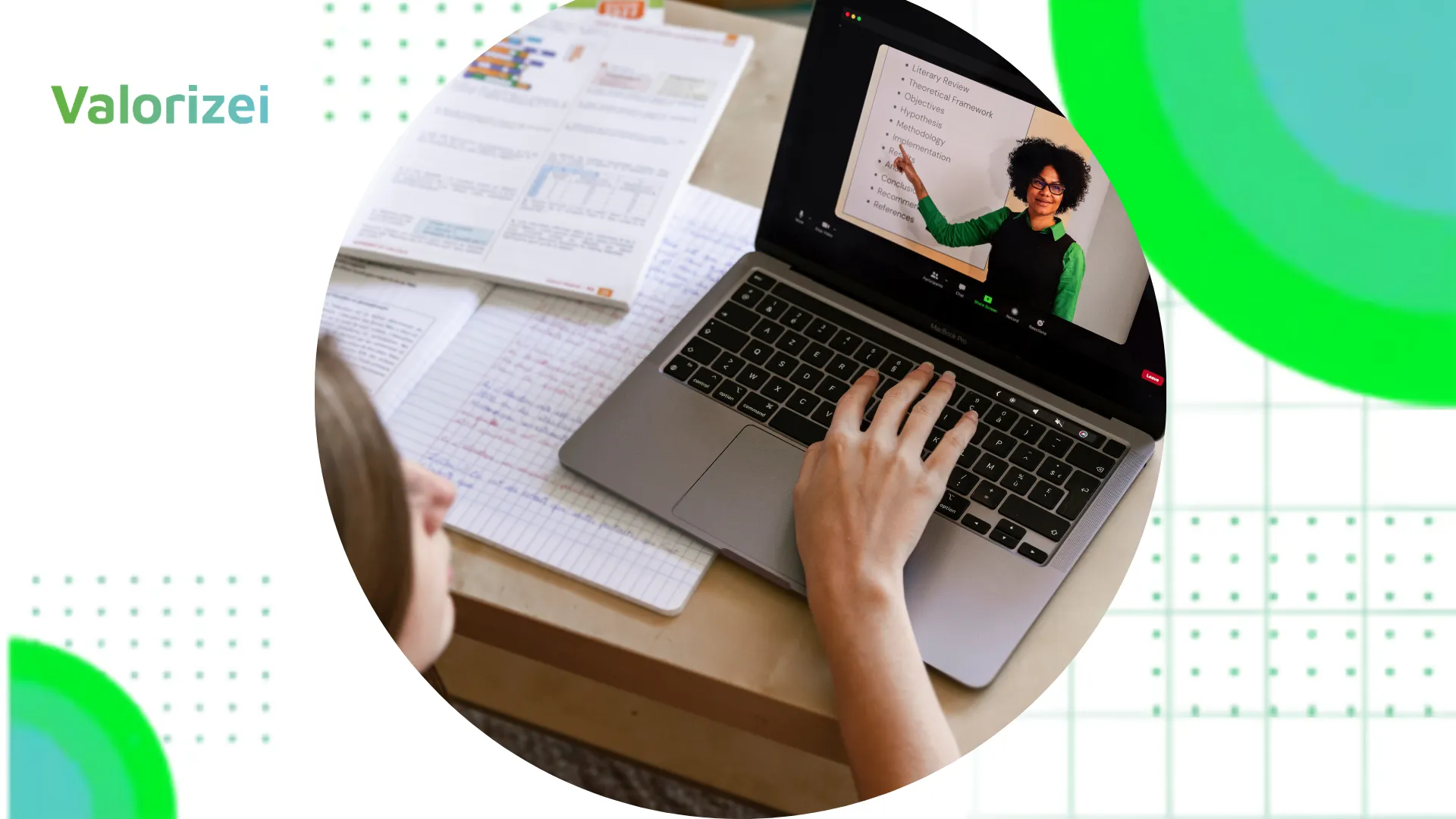
The architecture of the human brain responds well to concentrated visual stimuli. This characteristic reduces cognitive fatigue generated by long lecture sessions in traditional teaching.
Studies in cognitive psychology show that dividing large amounts of material into smaller blocks facilitates processing in working memory. This accelerates subsequent consolidation in long-term memory.
While watching short educational videos, The student maintains attention throughout the presentation. This focus avoids the unintentional distractions common in long theoretical lectures.
The concise format combats procrastination. The goal of watching two minutes of content seems more palatable to the brain than enduring exhausting lectures.
This quick sense of accomplishment releases dopamine into the bloodstream. The process creates a cycle of continuous motivation that propels the student forward through the schedule.
Digital platforms use recommendation algorithms to deliver educational materials at the exact moment a user expresses doubt about a particular subject.
Global initiatives, such as UNESCO in its guidelines for mobile learning, They highlight how accessible digital solutions broaden the reach of quality and personalized education.
Brevity demands that educators possess a keen ability to synthesize information. The format eliminates lengthy introductions and delivers the practical application of the concept within the first few seconds.
How can I integrate short videos into my daily study schedule?
Incorporating content snippets into the academic routine requires prior planning. A lack of method transforms consumption into passive entertainment, without real retention.
The adapted Pomodoro Technique works well by alternating the reading of dense texts with the viewing of visual summaries for retention.
Daily transitional moments, such as commuting on public transport or taking quick breaks, serve as opportunities to review specific topics using these concise, focused tips.
Creating themed playlists by subject or area of greatest difficulty creates a personal repository for quick reference during review sessions.
Active note-taking in digital or physical notebooks while watching explanations helps translate the visual content into your own words.
Combine the consumption of these synthetic materials with the immediate resolution of previous issues. Testing the explanation received in practice validates the learning.
+ Regenerative economy: a trend gaining traction among companies.
Key data on the effectiveness of short videos.
Metrics from the education sector confirm the preference of students and institutions for compact audiovisual formats, pointing to consistent data on engagement and completion rates.
The table below compares indicators observed in research on the behavior of students exposed to audiovisual microlearning in relation to teaching centered on long texts.
| Performance Indicator | Traditional Teaching (Long Classes) | Microlearning (Short Videos) |
| Average attention retention rate | 20% to 30% in the first 15 min | 80% to 90% throughout the video |
| Module completion rate | 15% to 25% in online courses | 60% to 80% on microlearning platforms |
| Average time until practical application. | High (requires lengthy review) | Immediate (focus on direct resolution) |
| Mobile engagement | Low (requires large screens) | Extremely Loud (optimized for mobile) |
The data structure reveals that brevity combined with thematic focus increases students' practical learning outcomes.
The transition to synthetic formats does not mean a loss of content. It is about reorganizing the time dedicated to assimilating complex information.
Adopt the short educational videos The preparation plan aligns the student's routine with current dynamics of efficiency and productivity in learning.
++ ChatGPT for studying: 10 commands that make your life easier
The Visual Impact on Rapid Learning
The human mind processes visual content at an impressive speed. When we combine graphic elements with straightforward explanations, the time needed to absorb complex concepts decreases considerably.
This dynamic transforms the learning experience into something more dynamic. The reader can identify the central points of the subject without having to deal with large blocks of continuous text.
Simplifying information does not mean losing content or being superficial. It's about reorganizing the data to respect the attention span of the student.
The brain retains information better when it is presented in a structured way. Short visual pauses help consolidate learning before moving on to the next idea.
Modern learning platforms already use this structure to increase retention. The straightforward format facilitates quick reading and improves daily engagement with studies.
Integrating these resources into your learning plan optimizes your available time. The result is a lighter, more productive study experience focused on what really matters.
++ The 3-7-30 Technique: A modern way to study and review difficult material.
What are the best methods for studying with short videos?
Using active learning methodologies while consuming short media makes the brain work on encoding information, transforming visualization into lasting retention.
The method of Immediate self-explanation involves pausing the video at the end and explaining the concept aloud, as if teaching it to someone else.
Creating quick mind maps as the key points appear on the screen is another practical way to record the presented data.
Spaced repetition, Created using video-based flashcard applications, it ensures that critical points remain accessible in memory for weeks.
Avoid watching multiple files in sequence without reflective pauses. The disordered accumulation of stimuli generates overload and negates the benefits of the format.
Select channels and creators with technical rigor. The brevity of the message should not compromise the accuracy of the data or the clarity of the content.
Mapping pedagogical guidelines on the portal of Edutopia on innovative teaching practices It helps to identify strategies validated by education experts around the world.
Conclusion
The presence of short educational videos It establishes a functional dynamic in the learning ecosystem, combining digital speed with techniques focused on content retention.
By translating complex concepts into straightforward and accessible formats, the methodology gives students greater control over their own time in academic preparation.
Making the most of the format requires a critical stance and careful selection of sources, ensuring that the visual appeal serves as support for consistent and lasting study.
FAQ — Frequently Asked Questions
1. Can short videos replace textbooks and full-length in-person classes?
No. The format serves as a complement to reviews, topic introductions, and reinforcement, while in-depth reading and face-to-face discussions maintain their structural role in training.
2. What is the ideal length for a short educational video to be truly effective?
Studies on microlearning indicate that videos between 60 seconds and 3 minutes long maintain good retention rates without causing a dispersion of attention.
3. How can I ensure that I'm not just entertaining myself by watching short content?
Combine visualization with written notes, flashcard creation, and immediate problem-solving exercises on the presented topic to test actual retention.
4. Where can I find scientifically reliable short educational videos?
Look for well-known platforms in the education sector, channels maintained by universities, and teacher profiles that provide references and follow official teaching guidelines.