
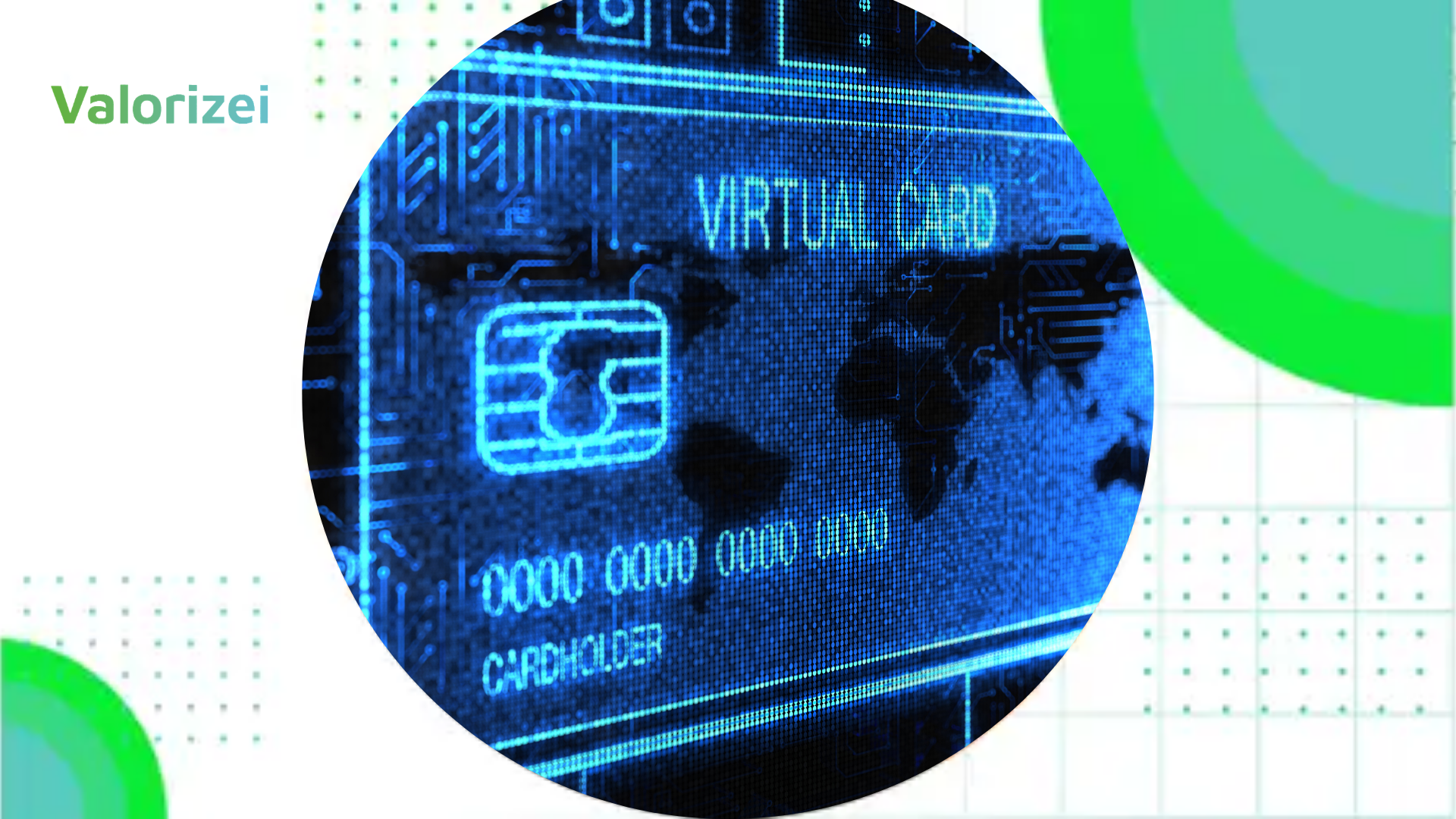
O The rise of virtual cards Digital wallets have profoundly transformed the way Brazilian society conducts daily financial transactions.
Announcements
This change was not an aesthetic whim of the fintechsBut it's a direct response to our daily rush and the search for security in an increasingly hostile digital environment.
The plastic card in your pocket, which once represented status and financial security, is now starting to look like unnecessary clutter in your wallet. This silent transition has reshaped payment methods, definitively optimizing speed and convenience.
In this article, we review the landscape of these innovative tools, analyzing their real benefits, the behavior of the national market, and what the future holds.
Navigation Summary
- What accelerated the digitalization of finance?
- What are the practical differences and advantages?
- The real security of the temporary card.
- Updated market statistics (2026)
- The future of integrated payments
- Frequently Asked Questions (FAQ)
How have Pix and NFC driven this change?
The consolidation of the cashless market stems from profound structural transformations in Brazil's financial infrastructure.
The arrival of Pix served as a cultural rite of passage, accustoming even the most skeptical users to the instantaneity of digital transactions.
O The rise of virtual cards It gained massive traction when we realized how tiring it is to manually fill out long plastic numbers in e-commerce.
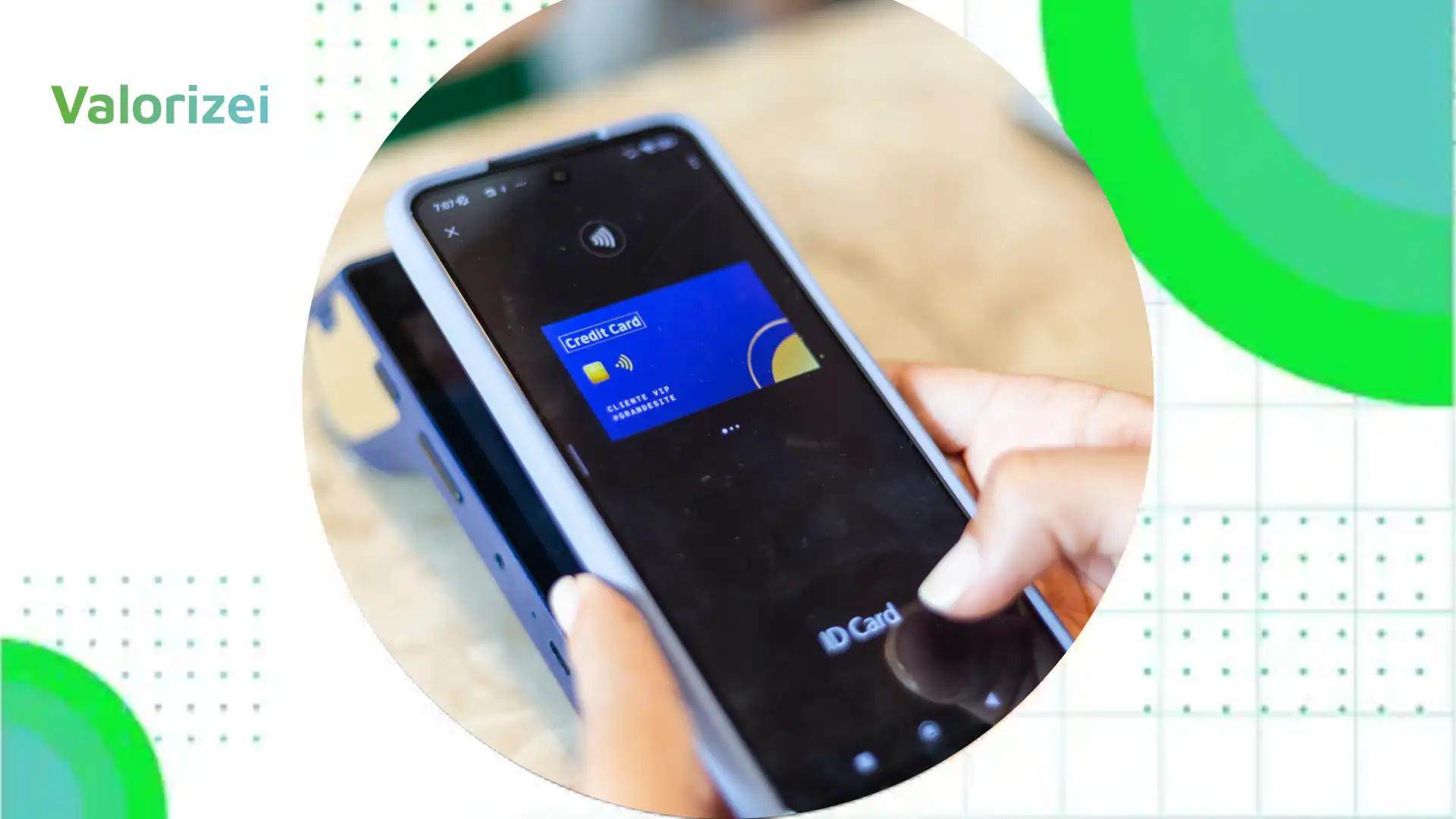
Proximity technology (Near Field Communication NFC simply extended this convenience to the physical world, integrating the shopping routine with just a few taps on the screen.
Currently, billions of transactions occur monthly through mobile phones and smartwatches enabled with the country's leading wallets.
The cell phone has become the hub of financial life, emptying the physical space of wallets and reducing bureaucratic friction in commerce.
What are the differences between a recurring virtual card and a temporary virtual card?
To understand this evolution, it's worth demystifying the two tools available in banking apps, which serve completely different needs.
The recurring virtual card was designed specifically for ongoing subscription services, keeping the same data for long periods.
This model meets the demands of streaming services and daily delivery apps, allowing for automatic billing without service interruptions.
On the other hand, a temporary or dynamic virtual card is discarded by the system immediately after a single, specific purchase.
It acts as a disposable shield in unfamiliar online stores, preventing data from being reused in subsequent fraud attempts.
Why have digital wallets become the preferred choice for consumers?
The answer goes beyond practicality: it's about centralizing credit cards, debit cards, documents, and transportation tickets in a single, secure ecosystem.
Carrying a physical wallet stuffed with documents today seems like a dangerous and unnecessary anachronism.
O The rise of virtual cards It is driven by these encrypted environments, which add biometrics and facial recognition to every operation performed.
Paying bills using a wristwatch or cell phone has drastically reduced our reliance on typing passwords in plain sight of others.
There is also a clear, though little discussed, sustainable appeal to this mass migration to electronic payment channels.
Avoiding the continuous production of millions of plastic cards generates a real positive ecological impact by reducing waste disposal.
+ Coffee inflation: small expenses will weigh more heavily in 2026.
Table: Digital Payment Statistics in Brazil
Consolidated data indicates the rapid replacement of physical cash with smart payment solutions in everyday transactions.
+ Temporary jobs for the 2026 World Cup: which areas are expected to hire the most?
| Financial Indicator | Actual Data Recorded | Market Impact |
| Transaction volume (1st Quarter) | R$ 1.1 trillion transacted | Solid growth of 8.3% per year |
| Signing up for virtual cards | 64% of consumers use | Main focus on e-commerce (70%) |
| NFC's role in purchases | 74.8% of in-person transactions | Consumers prioritize speed at checkout. |
| Transactions through digital channels | 82% of the total carried out in the country | Mobile leads with 75% of operations. |
| Growth in corporate benefits | High of 89% in virtual use | Agile transition from physical benefit card |
How does the rise of virtual cards ensure greater security against fraud?
The biggest headache for online shoppers has always been the leakage of banking data stored on third-party servers.
Traditional cards have static data engraved on the plastic, almost acting as an invitation for criminal cloning.
The encryption updates the verification code (CVV) every few minutes, invalidating any attempt to reuse the data.
Modern apps also allow customers to adjust their dynamic credit card limit instantly.
If any attempt is made to charge an amount exceeding the limit set in the bank's panel, the transaction is summarily rejected.
What are the projections for the payments ecosystem?
Industry experts and analysts indicate that the dematerialization of plastics should reach its peak by the end of this decade.
The financial infrastructure is moving towards decentralized models, where native biometrics will replace the usual numerical keys and passwords.
Global credit card companies themselves invest heavily in silent security, the kind that validates the user through their usual browsing behavior.
Cross-border trade also benefits from this evolution by simplifying the conversion of foreign currencies in a transparent way.
The modern customer no longer accepts slow processes or vulnerable systems when making a purchase.
+ What Changes for Those Who Use PIX Every Day
Reflections on the Digital Future
The Brazilian financial ecosystem is today one of the most advanced and innovative in the world, exporting robust technological trends.
The gradual obsolescence of physical wallets is consolidating a mindset focused on reducing bureaucracy and integrated digital security.
Join The rise of virtual cards And the new forms of electronic payment are no longer just a technological convenience.
It has become an indispensable layer of protection against modern financial fraud that spreads through the virtual environment.
To continue following the transformations in cybersecurity and the national credit market, check out the analyses available on the portal of [website name]. Brazilian Federation of Banks (Febraban).
Evaluate your spending habits, explore the security features of your banking apps, and use technology to your financial advantage.
Frequently Asked Questions (FAQ)
How does the virtual card work in practice?
It is generated instantly in your bank's app, and has a unique number, expiration date, and CVV, keeping your physical data hidden.
Can I use virtual cards in physical stores?
Yes. Simply register the generated card information in your smartphone's digital wallets to make contactless payments.
Does the virtual card use up the limit on my physical card?
Yes, the credit limit and debit balance are exactly the same as those shared by your main checking account.
What to do if a temporary virtual card is cloned?
Since credentials expire shortly after the transaction or can be manually deleted, any subsequent charges will be declined immediately.