

O MED from Pix It has received crucial updates from the Central Bank of Brazil to enable victims of online fraud to recover their financial resources quickly and with maximum operational efficiency.
Announcements
The new regulatory guidelines in effect have improved the traceability of suspicious transactions, allowing for the precautionary blocking of recipient accounts at up to five different transfer levels.
In this complete and up-to-date guide, you will understand in detail how the protocol works, its dispute deadlines, and the essential steps to safely recover your money.
Summary
- What is Pix's MED and how does the new rule work?
- What were the main bugs fixed in the update?
- Who is entitled to activate the Special Refund Mechanism?
- How to request a refund, step by step?
- What documents and evidence increase the chances of success?
- What comparative data shows the evolution of the system?
- When is a bank obligated to reimburse a customer?
- How can you protect your account against new financial scams?
- Conclusion
- Frequently Asked Questions (FAQ)
What is Pix's MED and how does the new rule work?
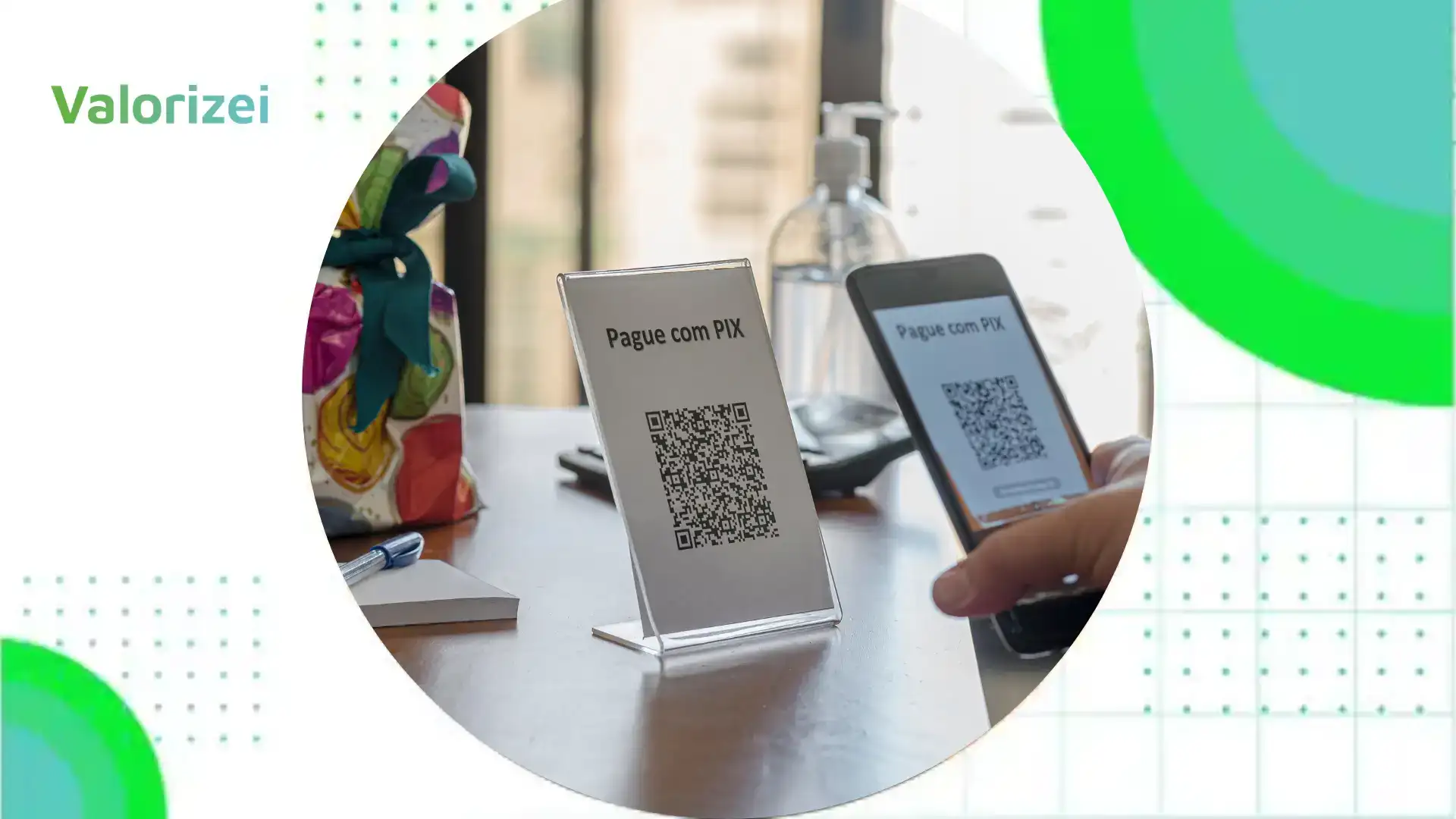
Created to combat digital crimes, the financial restitution mechanism operates as a definitive regulatory instrument that streamlines the return of payments resulting from scams in the country.
In the past, specialized gangs would disperse the stolen money to dozens of dummy accounts in minutes, making it impossible to reverse the transaction when the first recipient's account ran out of funds.
With the technologies active in the system, banks block remaining balances in all subsequent accounts used in the fraud, guaranteeing a high rate of asset recovery for customers.
Simultaneously, the algorithm performs continuous scans of the flagged accounts, withholding future deposits into the institution until the total amount stolen from the victim is fully covered.
What were the main bugs fixed in the update?
During the first years of operation, the slow exchange of data between banks allowed criminals to withdraw funds before preventive seizure could be carried out.
The mismatch in communication between smaller fintechs and large financial institutions opened dangerous operational loopholes, favoring well-organized schemes for quick money laundering in the financial market.
Another important change mandated that the dispute resolution channel be offered directly through mobile applications, eliminating the need for lengthy and bureaucratic phone calls that delayed the initial fraud notification.
Automatic notifications registered in the Central Bank of Brazil's national directory instantly flag suspicious profiles, preventing the continuation of new fraudulent transactions on the network.
Who is entitled to activate the Special Refund Mechanism?
Individuals and legal entities harmed by social engineering schemes, reverse engineering, device hacking, or express kidnappings have full support to activate the emergency protocol.
Typographical errors made by the payer during the transfer do not justify using this option; instead, a request for a friendly return should be made directly to the recipient.
Sophisticated scams that utilize fake call centers, contact cloning, and cloned websites perfectly fit the strict criteria for immediate reimbursement established by current regulations.
Companies that have suffered hacker attacks on their corporate systems have the same priority in the processing of the infraction notification within the national financial ecosystem.
How to request a refund, step by step?
Immediate speed is key to success, and it is up to the customer to register the formal dispute directly in their bank's app within minutes of confirmation of submission.
The user needs to file a detailed police report, listing the exact amount, time of the transaction, keys used, and attaching screenshots of the conversations held with the scammer.
Consult detailed guidelines by accessing the safety rules published by Central Bank of Brazil, the regulatory authority in charge of the national financial system.
Upon completion of the interbank investigation within the regulatory timeframe, the compliance committee confirms the crime and credits the recovered funds directly to the bank account of the affected applicant.
What documents and evidence increase the chances of success?
Robust documentary evidence ensures that risk analysts confirm the illegality and maintain the preventive blocking of the tracked accounts during the course of the internal audit.
Technical reports demonstrating unauthorized remote access to the smartphone help prove the cyber intrusion and exempt the victim from any responsibility for the improper transmission.
The more detailed the information provided during the initial registration, the faster the validation process will be conducted by the security teams of the financial institutions involved.
Official documents issued by police authorities reinforce the legally legitimate nature of the request, preventing frivolous claims and unfounded disputes made by bad debtors in the market.
+ The rise of virtual cards and digital wallets.
What comparative data shows the evolution of the system?
The constant improvement in the regulatory framework for digital transactions has redefined the effectiveness in recovering assets intercepted in movements suspected of financial crimes across the country.
The following table presents comparative technical parameters that demonstrate the innovations introduced by the current regulations in relation to the old guidelines applied to... MED from Pix.
+ What Changes for Those Who Use PIX Every Day
| Analysis Parameter | Historical Guideline | Current Rule in Force |
| Blocking Range | Restricted to the first receiving account. | Multiple layers of accounts |
| Objection Period | Up to 80 days after the event. | Up to 80 days after the event. |
| Interbank Analysis | Up to 7 business days | Up to 7 business days |
| Balance Retention | Limited to the initial value | Continuous balance scan |
When is a bank obligated to reimburse a customer?
If there are security verification failures in the opening of fraudulent accounts by receiving institutions, the civil liability for full compensation of the damage falls on the banking company.
Summary 479 issued by the Superior Court of Justice establishes that banks are objectively liable for illegal acts committed by third parties within the scope of financial operations under their management.
Whenever the resource of MED from Pix If the fraudsters fail to provide sufficient funds in their accounts, the victim can legally request a refund from the facilitating bank.
The omission or non-compliance with preventive notification deadlines among participants in the payment system also generates the obligation to compensate the consumer for the damages caused.
Recent court decisions reinforce the understanding that failures in atypical transaction monitoring violate essential protection duties, obligating banks to fully reimburse the amount usurped in the fraud.
How can you protect your account against new financial scams?
Although regulatory advancements make it easier to recover extorted funds, adopting preventative measures daily remains the safest way to avoid severe financial trouble.
Reducing daily and nightly transfer limits on banking apps effectively restricts the financial impact of potential physical coercion or smartphone hacking.
Setting up advanced biometric authentication and unique passwords for banking access prevents fraudsters from accessing your assets in cases of loss or theft of your mobile phone.
Monitoring accounts opened under your CPF (Brazilian taxpayer ID) on the official Central Bank portal allows you to identify fraudulent registrations and cancel clandestine accounts used by criminals without your knowledge.
+ Ad-supported streaming: families are switching to cheaper plans.
Conclusion
The recent changes implemented in the security of instant payments represent a remarkable advance in curbing cybercrime in the Brazilian economic landscape.
Expanding judicial and administrative freezes to subsequent accounts restores public trust in everyday transactions, stifling the escape routes for money diverted by fraudsters.
Clearly understanding your rights, acting quickly, and attaching valid documents are crucial steps to ensure the swift return of your property by the creditor. MED from Pix.
To expand your knowledge about consumer protection and file formal complaints against banking institutions, access the government channel. Consumidor.gov.br and exercise your citizenship.
Frequently Asked Questions (FAQ)
What is the maximum time limit for initiating the refund process?
The user has up to 80 days from the exact moment of the transfer to register a fraud dispute directly through their bank's customer service channel.
Is it possible to request a refund if I mistakenly sent something to the wrong person?
No, personal typing errors by the recipient do not constitute fraud and depend on direct negotiation with the person who received the payment.
How long do financial institutions take to analyze the case?
Anti-fraud teams have a regulatory deadline of up to 7 business days after registration to complete the document analysis and decide on the reimbursement.
Is the system fully guaranteed to recover the amount?
The refund depends fundamentally on locating funds in the tracked accounts or proving negligence on the part of the banks involved in the account opening process.