
Learning communities: students learn collaboratively.
Learning communities transform academic retention through continuous collaborative study, connecting students in dynamic networks of knowledge exchange and joint problem-solving.
Announcements
The traditional study model focuses on isolated absorption. This collective approach changes the dynamic by creating real educational ecosystems, where engagement and socio-emotional exchange happen side-by-side.
The logic here is simple: to guarantee pedagogical autonomy in order to accelerate results. Below, I detail the practical structure, the tools, and the critical reading of the data that support this format.
Table of Contents
- What characterizes learning communities in current education?
- How do students learn collaboratively in daily practice?
- What digital tools are driving cooperative study networks?
- What are the measurable benefits of group learning?
- How to implement a high-performance collaborative study group?
- Frequently Asked Questions (FAQ)
What characterizes learning communities in current education?
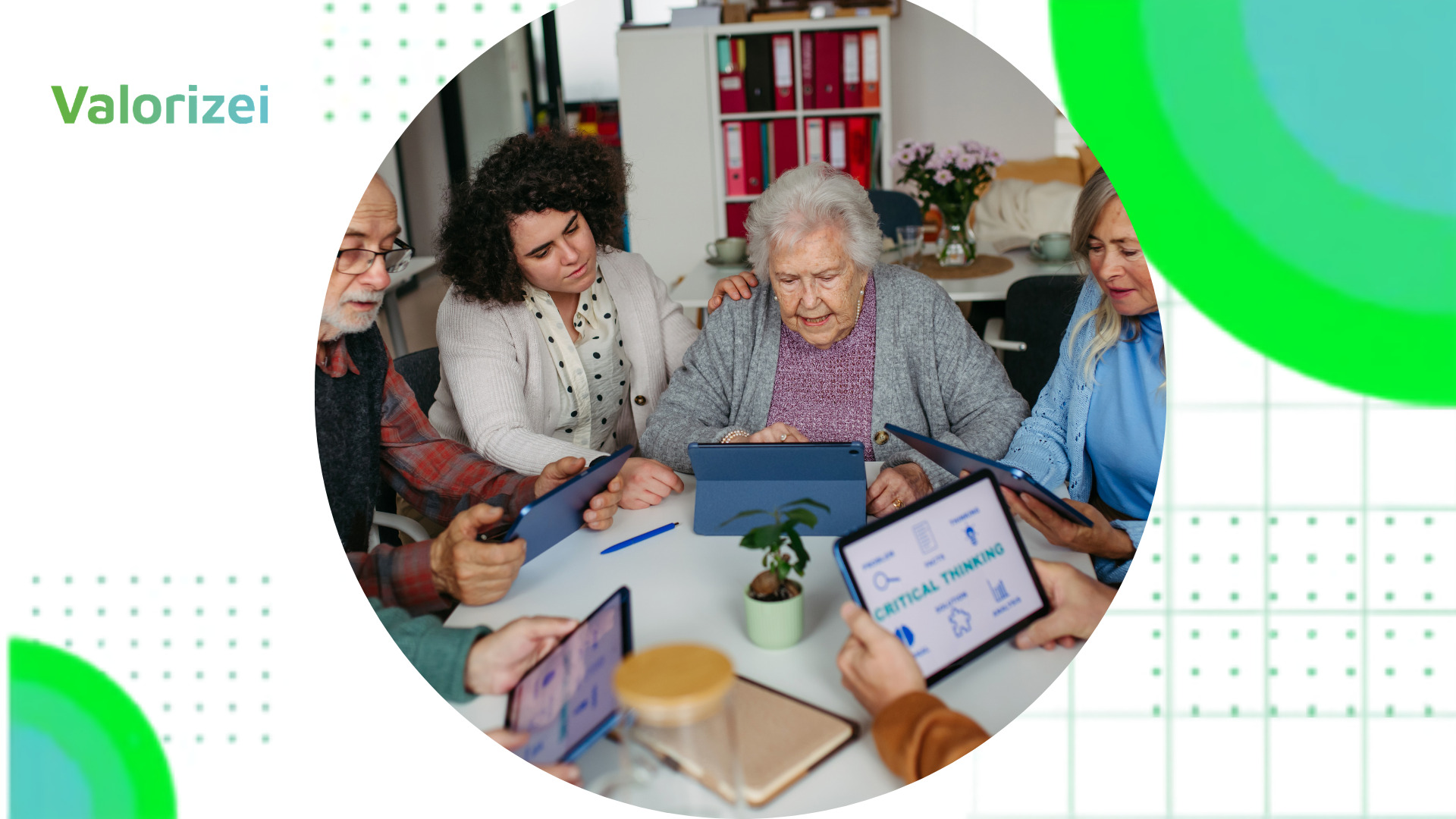
Learning communities are intentional arrangements where people with different backgrounds and perspectives share learning goals, alternating roles between those who teach and those who learn on a daily basis.
This architecture removes the burden of passive memorization and shifts attention to the discussion. The direct result is a much more critical reading of the material.
Interestingly, the richness of the model lies in the diversity of backgrounds. When different repertoires meet, the theoretical concept gains layers that no single textbook can provide.
Traditional rivalry gives way to pragmatic exchange. When the progress of others strengthens everyone's foundation, the group creates an environment of constant support.
What digital tools are driving cooperative study networks?
Knowledge management platforms centralize team work. They allow everyone to track tasks without relying on daily face-to-face meetings.
Shared documents function like living canvases. While one member summarizes a chapter, another complements it with visual diagrams and marginal notes.
Virtual audio and video rooms facilitate quick alignment. Short synchronous sessions serve to address specific questions and maintain the group's rhythm.
Mind maps created collaboratively help organize broad topics. Connecting ideas graphically exposes blind spots that would go unnoticed in traditional note-taking.
Cloud folders prevent the chaos of duplicate files. Centralizing data and access ensures everyone is on the same page during discussions.
Seek official guidance on the portal of Ministry of Education (MEC) It helps align the group's methods with current institutional pedagogical guidelines.
How do students learn collaboratively in daily practice?
Collaboration comes to life when the group analyzes real-world cases, practices peer teaching, and tackles problems that would require too much from a single perspective.
There's an interesting phenomenon when verbalizing a concept to a colleague: you're forced to reorganize your own reasoning. The person explaining solidifies the topic; the person listening discovers new paths.
In their daily routine, large tasks are broken down into operational steps. Each member delves into a specific topic and brings their findings ready for discussion.
Constant counterpoints act as a quality filter for the sources consulted. Weak arguments quickly fall apart during the conversation, raising the level of the discussion.
In addition to the technical gains, dividing the workload reduces the strain of the routine. Knowing that others share the same difficulties makes the preparation more consistent and sustainable.
The learning communities They prepare students for the messiness of the real world, anticipating the current corporate environment that demands negotiation, listening, and a multidisciplinary perspective.
++ Accelerated memorization: what works and what never worked
What are the measurable benefits of group learning?
Pedagogical practice often reveals a clear gap between passive reading and the social construction of knowledge. Contact with other minds accelerates reasoning.
Individual performance changes significantly when participation is required. Defending a point of view clearly demands an understanding that mere reading cannot provide.
| Pedagogical Metrics | Traditional Passive Model | Active Collaborative Model |
|---|---|---|
| Content Retention (after 24 hours) | Approximately 5% to 10% | Approximately 75% to 90% |
| Soft Skills Development | Poor interpersonal focus | High (communication and empathy) |
| Solving Complex Problems | Linear and isolated approach | Multiple integrated perspectives |
| Engagement and Attendance | Prone to procrastination. | High collective commitment |
This dynamic environment visibly reduces dropout rates in studies. Belonging to a group creates a solid social discipline, fundamental for long-term projects.
In addition to mastering the content, the student develops patience and negotiation skills. Disagreements become an exercise in interpersonal maturity, something valuable for any career.
++ Mobile-first learning: cell phones become the main study tool.
How to implement a high-performance collaborative study group?
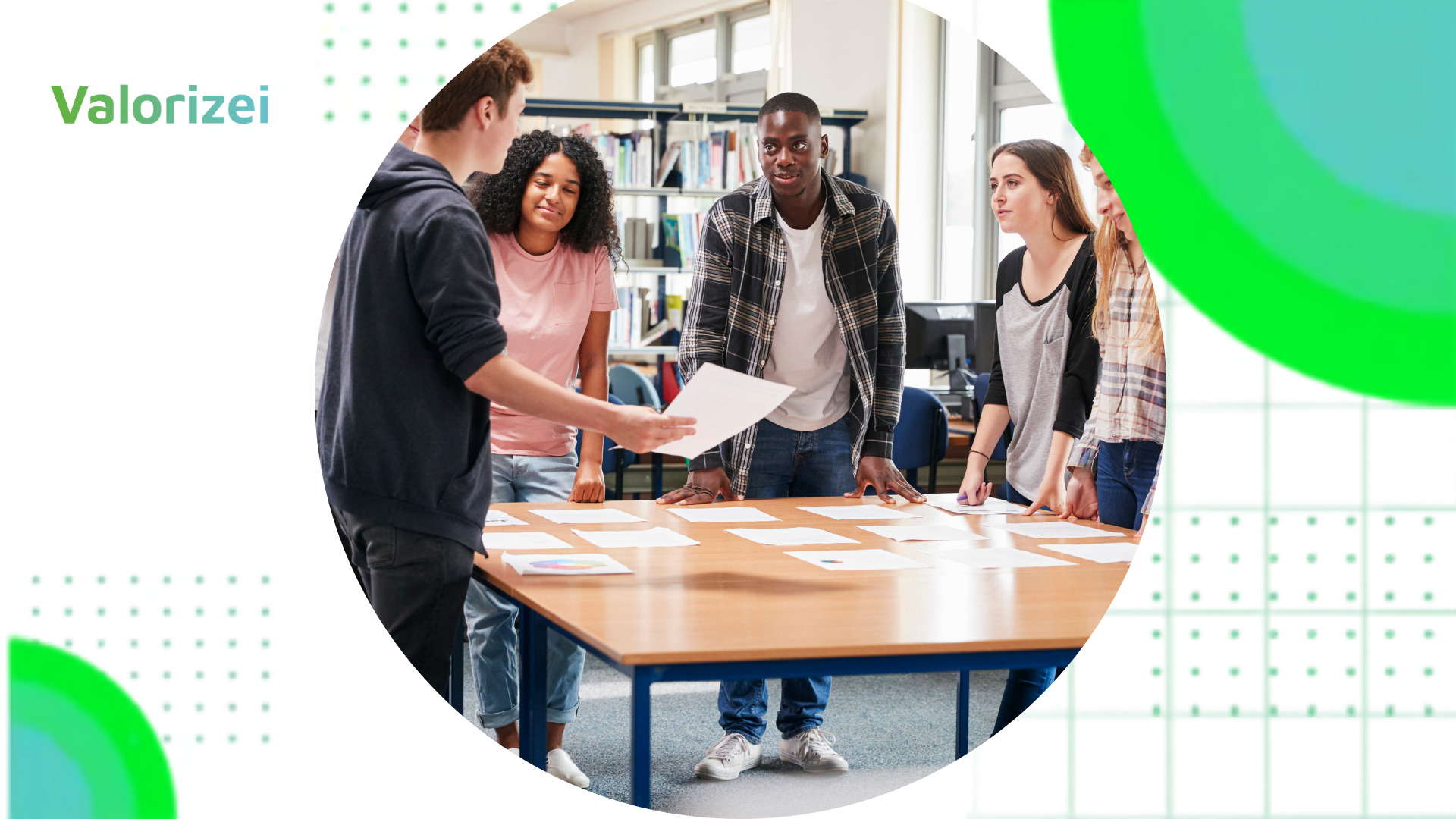
Building a productive team requires more than good intentions: it demands clear goals, the right tools, and transparent agreements regarding deliverables and deadlines.
The starting point is to bring together people who are aligned with the same goals. Having similar priorities ensures that the weekly meetings don't lose their purpose.
A well-structured schedule prevents side conversations. Each session needs a defined agenda before it begins, outlining what needs to be addressed during the meeting.
Rotating leadership roles keeps everyone engaged. The facilitator of the week organizes the time, directs the questions, and ensures that everyone has a space to voice their opinions.
The learning communities They depend on a willingness to make quick adjustments. Periodically evaluating the format allows for course corrections without straining group relationships.
Recording findings in a shared repository facilitates future revisions. These shared files become valuable guides for the final stretch before demanding exams.
Consistency in meetings creates a habit without stifling routine. This shared responsibility helps overcome days of discouragement, ensuring constant progress.
++ ChatGPT for studying: 10 commands that make your life easier
Final Considerations on Collaborative Learning
The shift from isolated study to collaboration changes how we assimilate complex ideas. Continuous exchange solidifies theoretical knowledge while developing essential interpersonal skills.
Combining digital resources with structured meetings expands the possibilities for study groups. The learning journey becomes more dynamic when learning ceases to be a solitary task.
To analyze the broader panorama of social and educational development in the country, it is worth consulting the reports of Brazilian Institute of Geography and Statistics (IBGE).
Structuring a collaborative network is a practical decision for mastering dense content more efficiently and consistently over time.
Frequently Asked Questions (FAQ)
How to deal with uncommitted members in a collaborative group?
Align expectations right from the first meeting. If disinterest continues to hinder deliverables, the healthiest approach is to restructure the team to protect the pace of the remaining members.
What is the ideal size for an efficient study team?
Groups of 3 to 5 people tend to work best. This format keeps the conversation focused and ensures that everyone can actively contribute without going over time.
Does studying in groups work for purely math and science subjects?
It works very well. Solving numerical problems together helps to quickly identify calculation errors and reveals logical paths that you might not have considered on your own.
How can we prevent the group from losing focus during the sessions?
Adopt the Pomodoro Technique in a group: establish blocks of 25 to 50 minutes of total concentration, leaving informal conversations exclusively for the scheduled breaks.