

Find out the main types of investment for professional investors
Announcements
There are several types of investment for the professional investor.
After all, those who receive this classification have access to more restricted applications, that is, applications that are not available to other investors.
Some financial products require greater knowledge of the market and have high risks. Therefore, they tend to be limited.
And if you are interested in becoming a professional investor, you should analyze whether your profile meets all the requirements.
To learn more about the subject and discover the main investment alternatives, continue reading.

What is a professional investor?
A professional investor is an individual or legal entity who has more than R$10 million in financial investments and who attests to this condition in writing.
Also included in this classification are:
• Financial institutions and other institutions authorized to operate by the Central Bank of Brazil;
• Insurance companies and capitalization companies;
• Open and closed supplementary pension entities;
• Investment funds;
• Investment clubs, provided that their portfolio is managed by an administrator authorized by the Securities and Exchange Commission (CVM);
• Authorized independent investment agents, portfolio managers, analysts and securities consultants;
• Non-resident investors (individuals or legal entities with residence, headquarters or domicile abroad, but who invest in Brazil).
What is the difference between a qualified and a professional investor?
The main difference between a qualified investor and a professional one is basically the amount invested.
The qualified investor You must prove R$ 1,000,000.00 and attest to your condition in writing.
The professional investor is the person who has at least R$10,000,000.00 or who meets the CVM criteria.
In any case, investors who receive one of these classifications have several advantages. The main one is access to more restricted investments, which, despite the risks, offer more attractive rates of return.

What are the advantages of becoming a professional investor?
The professional investor has access to financial products that are not available to the general public.
This way, it has greater profitability and diversification options.
Furthermore, financial institutions often offer special conditions for these investors, such as specialized management.
Funds intended for professional investors
As the name suggests, this fund is exclusively aimed at the professional profile.
The following can participate in this fund:
• Investors who have a family or corporate relationship with a professional investor, provided that 90% of the fund's accounts are held by them;
• Employees and partners of fund administrators or managers or companies linked to them, with express authorization from the director responsible for the institution before the CVM.
Source: Akeloo
What are the main types of investment for professional investors?
There are several investments available to the professional investor.
Below, check out some of these applications:
CRI and CRA
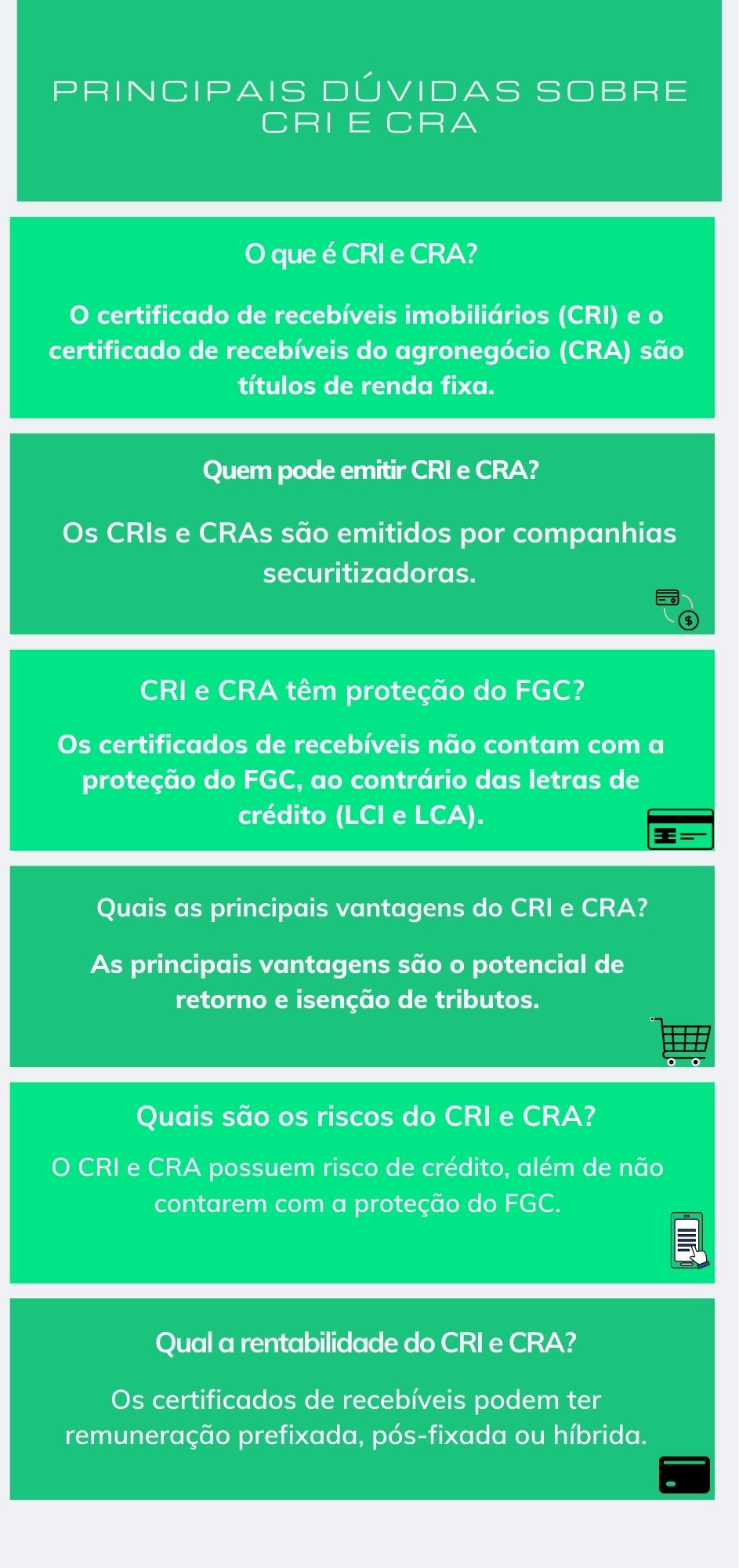
The real estate receivables certificate (CRI) and the agribusiness receivables certificate (CRA) are fixed income securities.
This investment works based on the securitization of debts, which are transformed into credit securities.
One of the main advantages of receivables certificates is the exemption from income tax.
CRIs and CRAs are recommended for investors who have a portfolio with a larger contribution and who are looking for diversification.
Professional investors have access to non-performing CRIs and CRAS that do not provide complete financial information.
Credit Rights Investment Fund (FIDC)
The Credit Rights Investment Fund works as a union of several investors, who pool their resources in a common investment for everyone.
These funds allocate a portion of at least 50% of net equity for investment in credit rights.
Currently, this investment represents an important securitization instrument for the Brazilian Capital Market.
But after all, what are Credit Rights?
They correspond to the credits that a company has to receive, such as credit card installments, invoices and checks.
Rights can also be derivatives of real estate, financial and commercial transactions.
FIDCs are good alternatives for those who want diversification and good returns. However, it is necessary to pay attention to credit risk.
Overseas Investment Fund (FIEX)
The Overseas Investment Fund (FIEX) is one of the main types of investment for the professional and qualified investor.
It is characterized by directing part of its portfolio towards assets from the foreign market.
This way, investors can diversify their portfolio with assets from all over the world.
Basically, there are three types of investment funds abroad: variable income, fixed income and exchange.
Therefore, the strategy can provide for allocation in international bonds and alternatives linked to variable income.
Equity Investment Funds (FIP)
Also known as Private Equity, equity investment funds must be set up in the form of a closed condominium.
This investment is made mainly in closed companies or limited companies, to monitor and profit from the growth of these businesses in the medium and long term.
For this reason, the fund manager starts to work actively in such an enterprise, so that it is possible to develop growth strategies.
The objective is to add value to the business, so that profitability is actually achieved.
FIPs are traded on the stock exchange. As such, they are classified as a variable income investment, belonging to the closed class.
Among the main advantages, we can mention the return potential and corporate governance.
However, since it is a long-term investment and financial support for businesses that may take longer to be implemented, it is necessary to take into account the low liquidity of listed FIPs.
Real Estate Investment Funds (FII)
Fiis are well-known investments in the market.
After all, most of them are accessible to any investor.
However, there are some REITs that are limited to professional and qualified investors.
Conclusion
These are the main types of investments for the professional investor.
If you have the required amount to be part of this professional category, you can formalize the title with the CVM.
But after becoming a professional investor, it is necessary to set goals, stay up to date and, of course, continue studying and following the financial market.