
The Economic Recession and Everything You Need to Know
Understand what an economic recession is and what causes it
Announcements
Periods of economic recession and crises are frequent throughout history. They tend to generate a lot of concern, as they directly affect people's financial lives and investments.
In this article, you will learn exactly what this means, what the main causes are and the main characteristics.
Read on to find out more.

What is an economic recession?
Economic recession is the term used to indicate that a country's economic cycle is in a phase of contraction.
The fall, linked to GDP, can generate both political and social consequences.
The most common indicator to point out a recession is the Gross Domestic Product (GDP). When GDP is below normal for two consecutive quarters, it is understood that the country has entered a technical recession.
Announcements
It is important to remember that this does not always mean that the nation's economic situation is deteriorating. After all, there are cases where GDP has shrunk due to the decline of a specific sector, while others are stable.
The recession makes this situation even more serious, as in this case, the country's economy is being heavily impacted, with several sectors being affected. As a result, the population's income also decreases.
In other words, it is a period of retraction, related to an economic crisis, causing a drop in production, consumption and, unfortunately, an increase in unemployment, which reduces the population's standard of living.
What is the difference between an economic recession and an economic depression?
Economic depression is actually the worsening of recession.
Although the two terms have similar causes and indicators, the main differences are the severity of the situation, duration and, obviously, the impact on the lives of the population and the economy of a country.
This means that a depression is an economic recession on a much more severe level.
Therefore, it is no longer an economic crisis lasting a few months, but something that tends to last for a longer period.
The best-known economic depression in history was the one that occurred in 1929, marked by the Wall Street Crash.
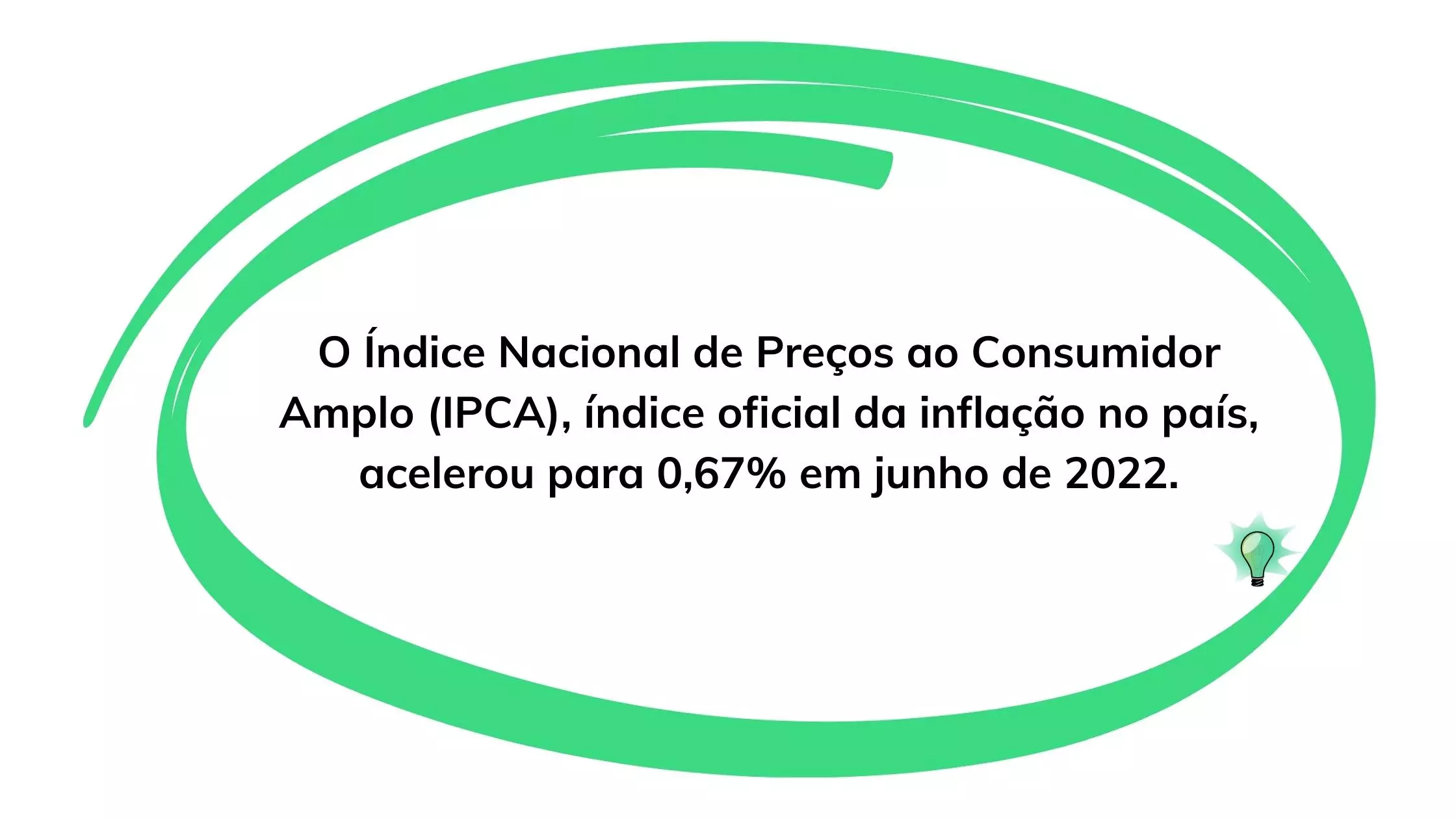
When is a country in a recession or crisis?
It is important to remember that an economic crisis does not always include a recession. However, an economic recession is always the result of a crisis.
While crises are more temporary, recessions, in addition to being longer-lasting, impact the economy structurally.
This certainly affects the growth of the nation.
Among the main characteristics of a recession, in addition to the fall in GDP, we can mention:
• Decrease in family income
• Fall in the level of investments
• Decline in the services sector
• Decreased consumption
• Increase in poverty and hunger
• Increase in the number of bankruptcies
These are some of the indicators most analyzed by economists to indicate a recession.
What causes a recession?
All nations, at some point, face economic fluctuations, which may or may not lead to a recession.
This period can be caused by a set of factors both in the long term and by short-term events.
The most recent examples are the impacts caused by:
• Rising inflation in several countries
• Political instability
• Russia-Ukraine War
• Covid-19 pandemic
• Decline in the global production chain
What periods of recession has Brazil already experienced?
Since the 1980s, Brazil has dealt with several other periods of recession.
· 1st quarter of 1981 to 1st quarter of 1983
· 3rd quarter of 1987 to 4th quarter of 1988
· 3rd quarter of 1989 to 1st quarter of 1992
· 2nd quarter of 1995 to 3rd quarter of 1995
· 1st quarter of 1998 to 1st quarter of 1999
· 2nd quarter of 2001 to 4th quarter of 2001
· 1st quarter of 2003 to 2nd quarter of 2003
· 4th quarter of 2008 to 1st quarter of 2009
· 2nd quarter of 2014 to 4th quarter of 2016
· 1st quarter of 2020 (no end date)
Recessions dated by CODACE and released by G1
What is a global recession?
A global economic recession occurs when the planet's economy shrinks, whether caused by an economic bubble, unbridled credit expansion, wars or pandemics, for example.
Economic recessions in countries like the United States and China, for example, can create a ripple effect across the world.
Is a global economic recession inevitable?
If you follow and read news websites, you have probably come across economists talking about the possibility of a global economic recession.
According to World Bank President David Malpass, many nations will have great difficulty avoiding a recession.
Furthermore, with inflation and interest rates rising in several countries, it is increasingly common to see economists talking about a slowdown in the global economy for a prolonged period.
As you already know, there are several causes for rising inflation. In an attempt to contain it, central banks raise interest rates, while stock markets react by falling, making investors more risk-averse.
In fact, inflation in the United States closed the month of June at 1.3%, exceeding expectations once again. The accumulated inflation over the last 12 months was 9.1%.
Jerome Powell, the chairman of the FED (Federal Reserve Bank) said the central bank will continue to raise interest rates in the US until it has evidence that inflation will remain within the 2% target.
However, there are several factors that continue to impact the global economy as countries try to recover from the consequences of the pandemic.
Conclusion
Now you know what an economic recession is and its main characteristics.
The recession unfortunately affects the lives of the population, since in periods of prolonged crises, there is less employment, less consumption and, consequently, a drop in the population's standard of living.
Furthermore, it is necessary to understand how such cycles operate, as there are several periods in history in which economies experience contraction.
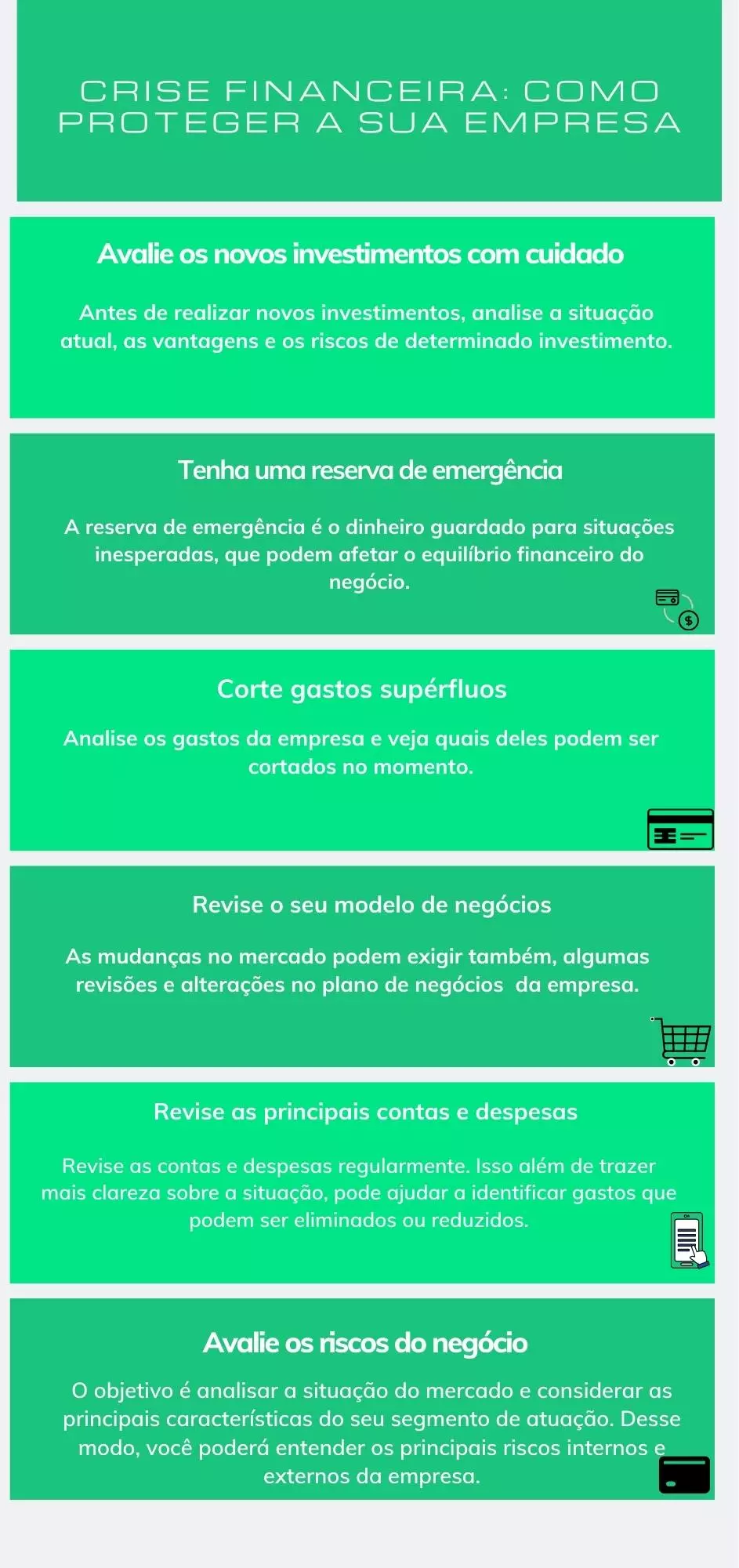
Challenging and difficult times in the economy happen frequently. For this reason, it is very important that investors understand how to protect their capital, especially in economic scenarios of greater instability and uncertainty.