
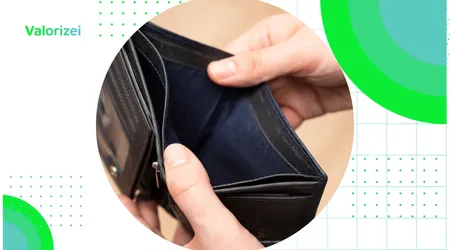
A invisible poverty It is a complex socioeconomic phenomenon that affects families with seemingly stable income, but without any real financial sustainability.
Announcements
Many people maintain a standard lifestyle while concealing a severe and silent vulnerability in their daily lives.
Understanding this reality requires looking beyond overdue payments and identifying the chronic scarcity that erodes mental well-being and assets.
This article analyzes the technical symptoms of this problem, offering practical tools to break cycles of hidden deprivation.
Summary
- What is invisible poverty and how does it manifest itself?
- What are the practical signs of hidden financial scarcity?
- How does economic vulnerability affect family budgets?
- What is the real impact of inflation on purchasing power?
- How can you overcome financial hardship and build real security?
- Frequently Asked Questions (FAQ)
What is invisible poverty and how does it manifest itself?
We tend to associate economic vulnerability exclusively with chronic default, prolonged unemployment, or a total lack of structured income, but... invisible poverty It operates precisely in a much more subtle gray area.
It's where basic commitments are paid on time, but at the cost of extreme internal sacrifices and silent daily wear and tear.
Those trapped in this situation generally have formal employment, live in middle-class neighborhoods, and exhibit socially acceptable consumption patterns.
The big problem is that the budget is entirely depleted for immediate subsistence, which makes any long-term planning or real protection against common daily unforeseen events impossible.
This condition is easily camouflaged under the anesthesia of modern credit, allowing scarcity to be masked through installment plans and dangerous banking tools.
This purely apparent stability hides a severe structural fragility, where any economic fluctuation causes the domestic equilibrium to collapse.
What are the practical signs of hidden financial scarcity?
The first clear symptom of this socioeconomic trap is often misinterpreted: the deliberate neglect of preventative healthcare due to the costs of consultations and medications.
Families are postponing essential treatments or canceling health plans to prioritize housing, food, and immediate basic transportation.
Another relevant indicator is the silent deterioration of physical assets, such as the lack of essential home maintenance or the postponement of automotive repairs.
Durable goods depreciate rapidly because monthly cash flow simply cannot absorb expenses that are not purely emergencies.
Food choices also signal this problem, with the systematic replacement of fresh proteins and vegetables with cheaper, ultra-processed items.
The shopping cart reflects real inflation, prioritizing cheap calories over essential nutritional value.
Experts in economic psychology point out that voluntary social isolation is a strong indication of financial deprivation disguised as everyday life.
The individual declines invitations, avoids celebrations, and withdraws from social circles simply because they lack the budget for frivolous expenses.
How does economic vulnerability affect family budgets?
The complete absence of a functional emergency reserve acts as the main catalyst for the perpetuation of invisible poverty.
Without this financial cushion, any unforeseen expense for health or home maintenance forces the use of expensive lines of credit.
Structural indebtedness does not necessarily begin with default, but with chronic dependence on the regulated overdraft limit.
The salary is used entirely to cover the negative balance from the previous month, creating a perpetual cycle of bank interest.
According to credit protection indicators, the middle class faces the challenge of maintaining a professional appearance without the corresponding financial backing.
The cost of urban living drains incomes, turning the working class into hostages of monthly cash flow.
+ Financial decision fatigue: how it affects your wallet.
What is the real impact of inflation on purchasing power?
Inflation in services and food erodes purchasing power much more intensely in middle-income brackets.
Official indices calculate overall averages, but essential daily expenses weigh disproportionately on the budgets of vulnerable families.
Recent macroeconomic data reveals how pressure from housing and energy prices impacts the disposable income of formal urban workers.
The table below shows the average budget distribution in families experiencing hidden scarcity, highlighting the lack of room for savings.
+ The invisible salary effect: why your money disappears so quickly.
| Expense Category | Percentage of the Budget | Impact on Stability |
| Housing and Energy | 45% | High risk of eviction or disconnection if there is a loss of income. |
| Basic Nutrition | 30% | Reduction in nutritional quality due to inflation. |
| Health and Transportation | 20% | Sacrifice of preventive exams due to lack of liquidity. |
| Reservation and Investment | 5% | Lack of protection against crises or unemployment. |
How can you overcome financial hardship and build real security?
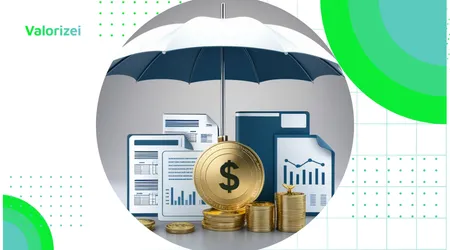
Breaking the cycle of invisible poverty It requires, first and foremost, a technical assessment of the family's budgetary reality, eliminating psychological defenses or denials.
It is imperative to track every penny that comes in and goes out, strictly categorizing expenses between survival and lifestyle.
The next step involves immediately readjusting housing or consumption patterns, even if this implies initial temporary social discomfort.
Reducing structural fixed costs is the only efficient methodology for generating the monthly surplus necessary to build stability.
Prioritizing the creation of an immediate liquidity fund should take precedence over any desire for superfluous consumption or early repayment of cheap debts.
This reserve will act as a thermal shield against new debt, ensuring the peace of mind needed for better professional decisions.
Investing in technical financial education and ongoing professional development increases the ability to generate income over the following years.
Increasing the hourly wage is essential to overcome the spending ceiling imposed by the current cost of living.
To deepen your understanding of socioeconomic rights and public policies supporting income, access the guidelines of... Ministry of Development and Social Assistance, Family and Fight against Hunger, which provides guidance on protection programs.
What are the psychological consequences of disguised deprivation?
Living under the weight of invisible poverty It creates a constant state of alert that directly affects mental health and decision-making.
The need to maintain a facade of stability for one's social circle consumes an immense amount of psychic energy, often resulting in chronic anxiety and burnout.
This psychological pressure creates a kind of "tunnel vision," where the individual focuses only on immediate survival for the month, losing the cognitive ability to assess long-term risks and opportunities.
Furthermore, the feeling of isolation is compounded by the shame of not being able to keep up with the financial pace of peers, turning simple social interactions into stress triggers.
The fear of judgment from others causes many families to refuse professional help or to conceal the situation from close relatives, delaying financial diagnoses that could prevent total insolvency.
Understanding that emotional exhaustion is a direct reflection of the budgetary structure is the first step in dissociating personal blame from the macroeconomic crisis.
+ Idle financial reserves: when excess becomes a loss.
Conclusion
A invisible poverty It is a harsh reality that demands analytical attention and urgent practical action in managing household and personal finances.
Identifying early signs of hidden shortages enables structural interventions before vulnerability turns into chronic, unsolvable default.
True wealth is not measured by the possessions displayed socially, but by the predictability and security of long-term cash flow.
Adopting voluntary simplicity and strict control frees citizens from the traps of consumption for social status.
Frequently Asked Questions (FAQ)
What is the difference between absolute poverty and invisible poverty?
Absolute poverty is defined by a lack of basic resources for survival, such as drinking water, sanitation, and minimum daily calorie intake.
A invisible poverty This occurs when there is formal income and housing, but the budget is entirely consumed by subsistence living, without security.
How to identify hidden shortages before defaulting on payments?
The main indicator is the recurring dependence on third-party resources or revolving credit to cover fixed living expenses.
If the absence of a bank overdraft makes it impossible to make ends meet each month, the financial structure is operating in a state of hidden collapse.
Does paying for purchases in installments with a credit card worsen this problem?
Yes, because systematic installment payments commit future income to past expenses, reducing budget flexibility in subsequent months.
This practice creates a false sense of purchasing power, masking the consumer's real impoverishment.
What is the role of financial education in combating invisible poverty?
Applied financial education provides technical tools to distinguish between real value and price, optimizing the allocation of scarce resources.
It empowers individuals to reject social pressures to consume, prioritizing long-term financial stability.