
Pix and debt: the line between ease and financial risk.
The speed of instant payments has transformed consumption, but the direct relationship between Pix and indebtedness It raises an alert about the disordered use of money in everyday life.
Announcements
With transfers available in seconds, the psychological barrier to spending has simply vanished. This immediate liquidity demands redoubled discipline to curb impulses and avoid recurring debt.
Understanding the real impact of this tool on your routine is the first step to regaining stability. See how to protect your budget without sacrificing daily convenience.
Summary
- Pix on credit and account limits: the new risk factors
- Why does the speed of Pix increase impulse spending?
- Comparison: Pix payment methods and their impact on the budget.
- Practical strategies to avoid debt through Pix.
- Frequently Asked Questions (FAQ)
How do Pix payments for credit and account limits generate debt?
The rapid expansion of payment methods has altered the dynamics of personal finance. The bridge between Pix and indebtedness It became narrower with the arrival of Pix installment payments and the direct use of bank overdraft facilities.
Previously tied to the actual account balance, this feature now operates as an instant line of credit. There's something dangerous about this fluidity: consumers end up paying high interest rates without even realizing it.
When transferring funds using a card, fees comparable to those of a quick personal loan are applied. The budget disaster happens when the next bill arrives and it's beyond your means.
According to data from Central Bank of Brazil, The volume of instant transactions has grown exponentially, demanding a much more critical approach to daily credit management.
Using your account overdraft for routine Pix transfers creates the illusion of unlimited cash. This habit consumes income from subsequent months even before your salary arrives.
Why does the speed of transfers encourage impulse buying?
The psychology of consumption shows that the pain of spending decreases dramatically when the transaction has no physical or visual friction. Without banknotes changing hands, the impact seems negligible.
The relationship between Pix and indebtedness This problem is compounded by a lack of pause for reflection. A quick scan of a QR code ignores any prior financial planning.
Without the natural wait for a bank payment slip, the purchase becomes a purely emotional act. The consumer succumbs to the commercial appeal and acquires unnecessary items in the heat of the moment.
To curb this pattern, it's worth creating intentional safeguards in banking apps. Reducing daily operating limits forces a moment of hesitation that often saves the budget.
++ Money in the digital age: How technological advancements impact your finances.
How can I reprogram my daily habits to avoid falling into automatic credit traps?
Changing the way we deal with money requires rewriting the mental triggers associated with rapid consumption.
The human brain seeks the path of least resistance, and digital ease fuels the circuit of immediate reward without asking for anything in return at the moment of purchase.
Creating deliberate friction in the routine breaks the automatic pattern of thoughtless spending before it snowballs.
Disconnecting saved credit cards from shopping websites, disabling offer notifications on your cell phone, and setting a weekly spending limit are small physical barriers that return rational control to the consumer.
The real turning point happens when daily planning begins to prioritize long-term goals instead of momentary gratification.
Replacing the impulse to click with the clarity of personal goals ensures the preservation of assets and the financial security of the family.
++ Seasonal financial planning: adapt expenses to the calendar.
What is the difference in risk between the traditional Pix system and its new modalities?
To understand the importance of each choice in daily life, it's worth comparing the functionality and real cost of the options available on the market:
| Pix modality | Source of Resources | Interest Rate / Charges | Debt Risk |
| Pix Cash | Current Account Balance | Fee-free for individuals. | Low (Restricted to actual balance) |
| Pix on Credit | Credit Card Limit | Interest on the transaction + IOF (Tax on Financial Transactions) | High (Risk of snowball effect) |
| Pix on Overdraft | Bank Account Limit | High daily bank interest rates | Very high (Entrance in the rotating system) |
| Pix Parcelado (BNPL) | Personal Loan with Payroll Deduction/Direct Loan | Fixed rates per installment | Medium-High (Future Commitment) |
What strategies can prevent Pix from compromising family income?
Taking control requires creating practical barriers against automatic behavior. The starting point is separating the daily transaction account from the funds intended for reserves.
The bridge between Pix and indebtedness It falls apart when there are strict operational limits. Set very low values for nightly and daily transfers in your bank's app.
Adopt the rule of waiting 24 hours before closing any high-value transfer. This breathing space buries almost all decisions made impulsively in the heat of the moment.
Review your statement every week to track down small, invisible leaks. Insignificant transfers made daily add up to staggering amounts at the end of the month.
Centralize your records in financial control tools. Technology should serve to simplify your life, not to drain your financial stability.
What is the role of financial education in the conscious use of new technologies?
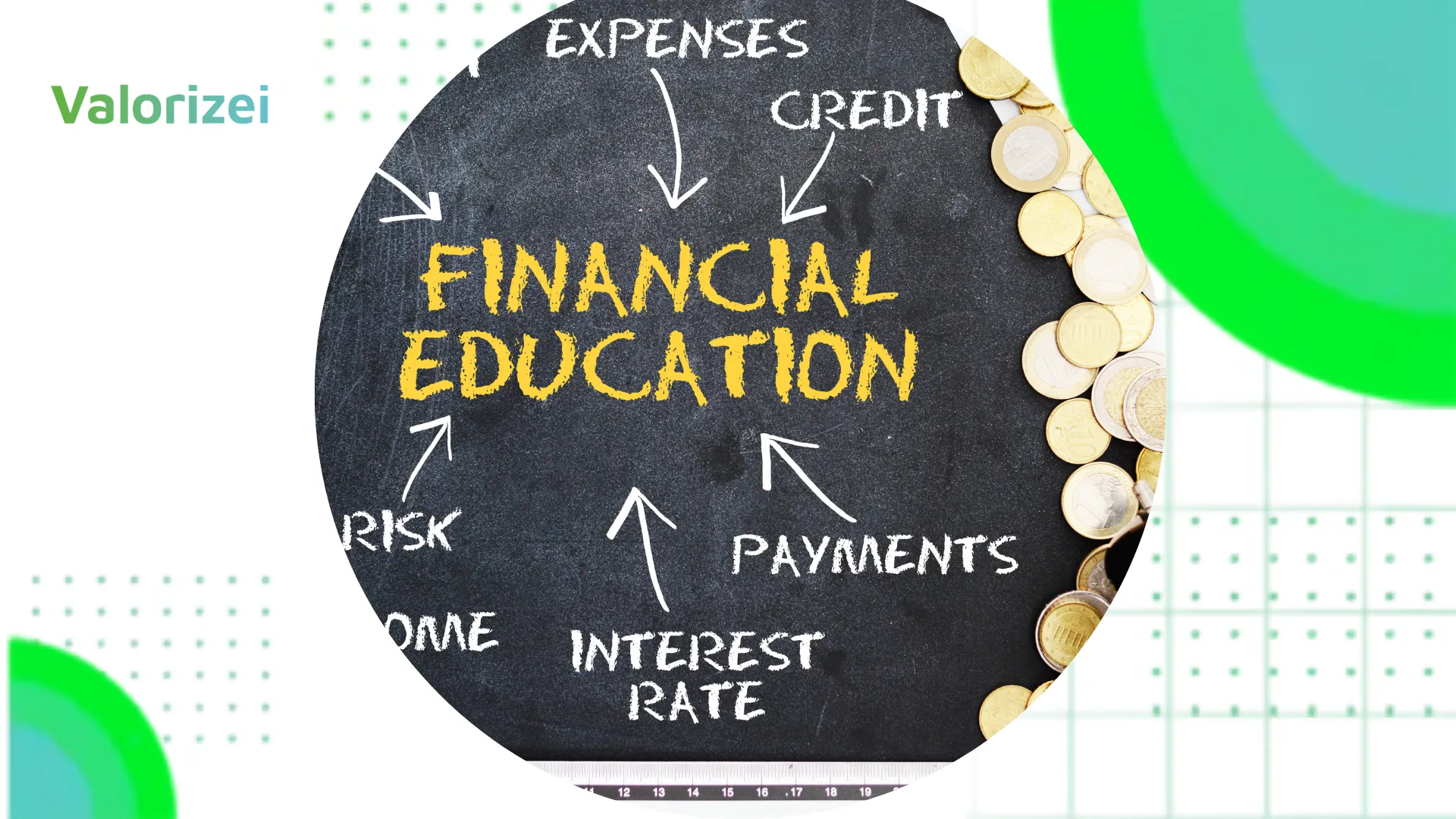
Understanding how banking tools work goes far beyond mastering the mobile app. The urgency of financial education arises precisely to counteract the speed at which consumer temptations reach our screens.
When consumers develop a critical awareness of their own cash flow, the ease of payment loses its power to destabilize the household budget.
Accurate information teaches people to see easy access to credit not as an extension of their salary, but as a real cost that compromises future income.
Investing in the pursuit of practical knowledge about personal finance transforms the relationship with instant money into a conscious choice.
Controlling one's own habits is the most effective defense against the irresponsible use of technological conveniences.
++ Annual financial map: organize goals without abandoning the plan.
Conclusion
The arrival of Pix has brought unquestionable efficiency to the circulation of money in the country. The problem is not the tool itself, but the illusion of abundance that its speed provides.
The overlap between Pix and indebtedness It stems from the thoughtless use of outsourced resources, transforming operational ease into dependence on expensive credit.
Setting strict limits and approaching the budget realistically allows you to take advantage of the system's practicality without sacrificing your financial future to the urgency of consumption.
To improve your account management and break free from the cycle of debt, check out the guidelines from... National Consumer Secretariat, a benchmark in education and citizens' rights.
Frequently Asked Questions (FAQ)
Does Pix installment payment incur interest?
Yes. Installment payments via Pix are considered personal loans. Interest rates, set by the banking institution, are applied, in addition to the mandatory IOF tax.
Does using Pix for credit affect your credit score?
The transfer itself does not lower your score. However, any delay in paying the invoice generated by this transaction will negatively affect your credit history.
How can I reduce my Pix limit in my bank's app?
Access the security tab or the Pix area in your institution's app. The request to reduce operational limits is processed instantly.