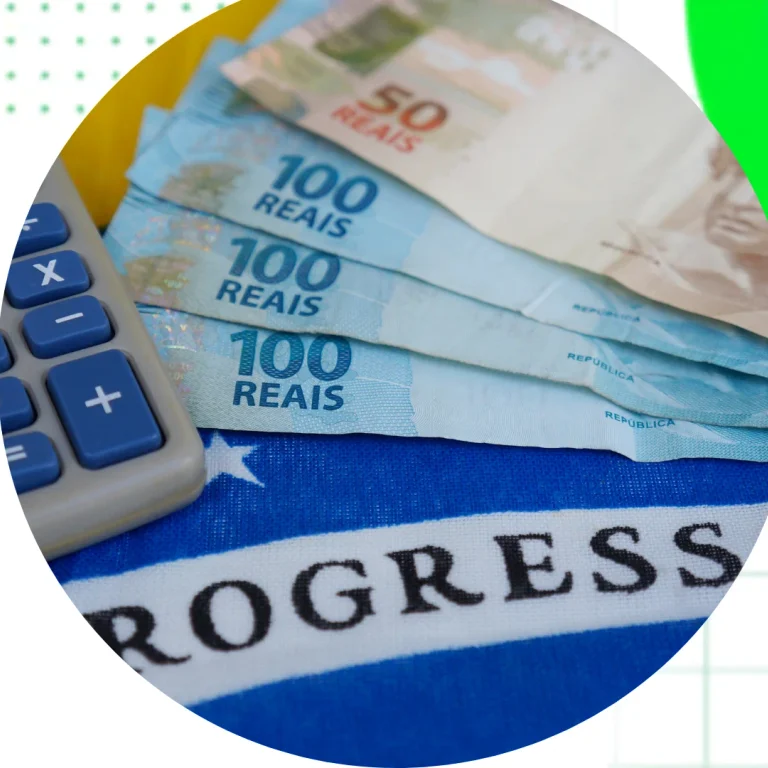
Find a Forgotten PIS/Pasep It usually evokes that bittersweet feeling of finding a folded bill in the pocket of an old coat that you swore you couldn't fit into anymore.
Announcements
The difference here is that the sum accumulated in public coffers reaches billions of reais, awaiting legitimate redemption by millions of Brazilians or their successors.
With the calendar turning in December, checking if there are any funds linked to your CPF (Brazilian tax identification number) is no longer a mere curiosity but a financial necessity.
However, there is a recurring confusion that causes many people to give up on their first attempt to find information: the mixing up of two distinct benefits that share the same acronym.
While the 2026 salary bonus closes its regular withdrawal window on December 30th, the quotas of the old fund follow a monthly reimbursement mechanism for requests filed until December 31st.
Switching research channels at this point means knocking on the wrong door and mistakenly assuming there's nothing to gain.
In the following lines, we break down the official channels of the Ministry of Finance, Caixa Econômica Federal (a Brazilian bank), and the Ministry of Labor so you can track this money without intermediaries.
Check the map below for the complete process to identify, request, and manage your funds before the year ends:
- What is the difference between old quotas and salary bonuses?
- Who is entitled to the forgotten PIS/Pasep benefit in 2026?
- How can I check the quotas of the old fund through Repis Cidadão and the FGTS App?
- Where can I check my 2026 salary bonus before the December deadline?
- What is the official payment schedule up to January?
- How can heirs withdraw funds from deceased account holders?
- Frequently Asked Questions (FAQ)
What is the difference between old quotas and salary bonuses?

Separating these two aspects from the outset saves time and avoids frustration with government applications.
When we talk about Forgotten PIS/Pasep, The main focus is on the quotas of the defunct PIS/Pasep Fund — a compulsory savings fund contributed by employers between 1971 and October 1988.
With the arrival of the 1988 Constitution, the revenue was redirected to finance unemployment insurance, but the individual balances already deposited remained there, untouched, earning monetary correction for those who never made a full withdrawal.
The salary bonus follows a different logic: it functions as a fourteenth annual salary intended for those who earn less while actively employed and meet strict employment criteria.
In 2026, the government will pay the benefit related to the base year 2024, the ceiling of which is based on the minimum wage of R$ 1,621.00.
If the worker misses the December deadline without withdrawing the money, it reverts to the Workers' Support Fund (FAT), forcing the citizen to face a lengthy administrative process to recover the installment.
There's something curious about the way the State has reorganized these two treasuries over time.
The historical quotas were transferred to the National Treasury by virtue of Constitutional Amendment No. 126/2022, gaining their own digital counter in the Repis Cidadão system and at Caixa.
The annual bonus, however, remains under the purview of the Ministry of Labor and Employment, appearing exclusively in the Digital Work Card.
Who is entitled to the forgotten PIS/Pasep benefit in 2026?
The redemption of historical quotas belongs to private sector workers (PIS) and civil or military public servants (Pasep) who worked with formal registration between 1971 and October 4, 1988.
Estimates from Caixa Econômica Federal and the Ministry of Finance indicate an average of approximately R$2,800.00 per active account, a figure that fluctuates according to length of service and salary received during those decades.
Those who retired at the time without withdrawing the total balance — or were even unaware of the existence of this reserve — retain their right intact.
To be eligible for the 2026 salary bonus (referring to 2024), the eligibility criteria require at least five years of enrollment in the program.
In addition, the professional must have worked with a formal employment contract for at least 30 days in 2024, with an average monthly salary of up to two minimum wages.
All of this depends, of course, on the employer having correctly submitted the data through eSocial without any omissions in the registration information.
And what happens when the holder of the old shares has already passed away?
The accumulated wealth does not evaporate nor is it retained indefinitely by the State due to the absence of the original owner.
Dependents eligible for survivor's pension from the INSS (Brazilian National Social Security Institute) or successors recognized by civil law have full legal standing to claim the amount, adjusted up to the date of payment.
How can I check the quotas of the old fund through Repis Cidadão and the FGTS App?
To centralize a search that previously required visits to bank branches, the Ministry of Finance launched the PIS/Pasep Reimbursement System.
If you suspect there may be a forgotten PIS/Pasep number linked to your professional history, the official starting point is the portal. Repis Citizen of the Ministry of Finance.
Simply click on the access area and authenticate your login using a Gov.br account with a silver or gold badge.
Once logged in, the platform automatically cross-references your CPF (Brazilian taxpayer ID) with records inherited from the National Treasury.
If there is a balance available, the screen displays the updated amount and allows you to register the transfer request.
If the inquiry is for a deceased relative, the system provides a specific field where you simply need to enter the PIS/Pasep or NIS number of the deceased relative.
Those who prefer to handle everything directly through their cell phone can also find a quick option within the official FGTS app:
- Open the FGTS app on your smartphone and log in with your CPF (Brazilian individual taxpayer registration number) and Caixa (Brazilian bank) password.
- In the bottom right corner of the home screen, tap the “More” menu.
- Select the "PIS/Pasep Reimbursement" option and read the diagnosis presented by the system.
- If funds have been released, please send a photo of an official photo ID and confirm your account details for the deposit.
+ How to access Tela Brasil, a free streaming service for Brazilian films.
Where can I check my 2026 salary bonus before the December deadline?
If your goal is the annual bonus for 2024, forget about Repis Cidadão and go directly to the channels of the Ministry of Labor and Employment.
The clock is ticking for those who haven't yet claimed their 2026 benefit: on December 30th, banks will stop making automatic payments according to this schedule.
Leaving this verification until January means losing the ease of immediate withdrawal and entering the queue for administrative appeals.
The cleanest way to check your status is through the Digital Work Card app, accessed with the same Gov.br password.
Within the “Benefits” tab, tap on “Salary Bonus” and select “View” to see the calculation proportional to the months worked in 2024.
It shows the release status, the date the batch became available, and the bank responsible for the transfer.
In practice, the banking division follows the old rule of origin of the employment relationship: private sector workers receive their payments through Caixa, often directly into their Caixa Tem Digital Social Savings account.
Public sector employees have their funds managed by Banco do Brasil, with credit deposited directly into their account or redemption via TED and PIX transfers.
If the money hasn't arrived automatically, it's worth going to an agency or lottery outlet with official identification before December 30th.
What is the official payment schedule up to January?
Looking at the calendar carefully avoids surprises in end-of-year planning, since operational deadlines adhere to strict monthly cut-offs.
When redeeming shares from the old fund, the money doesn't arrive immediately: Caixa processes approved requests and releases the batch in the month following the application.
This means that requests submitted up to November 30th will be processed at the end of December, while requests made throughout December will be processed in January 2027.
The table below organizes the critical application and credit dates so you don't miss any opportunities during this year-end closing period:
| Benefit Type | Application or Withdrawal Deadline | Official Account Credit Date | Paying Authority |
| Shares of the Former Fund (November Batch) | Orders placed until 10/31/2026 | November 25, 2026 | Federal Savings Bank |
| Units of the Former Fund (December Batch) | Orders placed until 11/30/2026 | December 28, 2026 | Federal Savings Bank |
| Shares of the Former Fund (January Batch) | Orders placed until 12/31/2026 | January 2027 (monthly batch) | Federal Savings Bank |
| Salary Bonus 2026 (Base Year 2024) | Withdrawal available until 12/30/2026 | Already released (according to month of birth) | Caixa (PIS) and Banco do Brasil (Pasep) |
The numbers clearly show the importance of acting this month: filing the request before the end of November will ensure that the forgotten PIS/Pasep payment is in your pocket on December 28, 2026.
Delaying the request until December pushes the deposit to the January 2027 batch.
And although the law allows claiming these historical quotas until September 2028 — the deadline before the Union definitively incorporates the unclaimed funds — it makes no sense to leave your money idle earning less than inflation.
+ INSS in December: How to check your benefit date before Christmas?
How can heirs withdraw funds from deceased account holders?
A large portion of the billions held belongs to workers who have already passed away, and this is often misinterpreted by families who believe it is necessary to open an expensive probate process to recover small amounts.
The legislation provides much simpler ways to withdraw the Forgotten PIS/Pasep of a deceased relative.
It all starts with checking the Repis Cidadão website using the heir's own Gov.br login and providing the holder's PIS/Pasep number.
Once the existence of a balance is confirmed, the successor needs to gather their official photo ID and present one of the following proofs of affiliation with Caixa:
- PIS/Pasep/FGTS certificate issued by the INSS listing the dependents eligible for survivor's pension.
- Declaration of eligible dependents issued by the paying agency of the public servant's retirement or pension.
- Court authorization or public deed of partition signed by all capable heirs, attesting to the non-existence of other known heirs.
All of this document submission can also be done digitally through the FGTS app, in the area dedicated to requests for deceased workers.
After the Caixa team validates the documents, the deposit follows the same monthly schedule as for living account holders, going directly into the account indicated by the successor.
To check the technical details about each accepted certificate, please consult the official website of PIS/Pasep reimbursement from Caixa Econômica Federal.
Final Considerations
Track a Forgotten PIS/Pasep Getting things done before January is one of those bureaucratic tasks that requires ten minutes of attention and can provide real relief to the household budget.
Between historical quotas for the generation that built the country in the 1970s and 1980s and recent installments of the salary bonus, the government's digital systems today deliver quick answers without requiring intermediaries.
Taking advantage of the November and December windows ensures that the money returns to those who worked for it, whether this Christmas or at the start of 2027.
Exercise extra caution throughout your research and only use websites ending in “.gov.br” or the official apps from Caixa and the Ministry of Labor.
No public institution charges upfront fees or sends links via messages promising to skip the queue for approval.
Make your inquiry today, help parents or grandparents verify their old records, and prevent a right acquired in the past from ending up forgotten in the Union's coffers.
Frequently Asked Questions (FAQ)
1. Where can I find my PIS/Pasep number to check my status?
The number appears on the Work Card (physical or digital), on the FGTS app statement, on the Citizen Card, or within the Meu INSS portal.
In the Repis Cidadão system, the account holder doesn't even need to type in this code, as the system automatically cross-references the data using the CPF (Brazilian taxpayer ID) via Gov.br login.
2. Are there any charges or fees for releasing forgotten PIS/Pasep funds?
None.
Consultations on the Repis Cidadão website, requests via the FGTS app, and in-person service at Caixa branches are completely free.
Any website or broker that asks for upfront payment or a percentage of the amount to be received should be treated as an attempted scam.
3. Do those who started working after 1988 have any old quotas to withdraw?
No.
The shares of the defunct PIS/Pasep Fund belong exclusively to those who had a formal employment relationship between 1971 and October 4, 1988.
Workers who entered the job market after that date are only eligible for the annual salary bonus, provided they meet the income and length of service requirements.
4. What happens if I miss the December 30th deadline to claim my 2026 salary bonus?
Once December 30, 2026 has passed, any unwithdrawn balance will revert to the Workers' Support Fund (FAT).
You don't permanently lose your entitlement, but you will need to wait for the next calendar to open or file an administrative appeal with the Ministry of Labor.
5. I don't have an account at Caixa Econômica Federal; where will the reimbursement be deposited?
If you don't have a checking or savings account at Caixa, the bank itself will open a free Digital Social Savings account linked to your CPF (Brazilian taxpayer ID).
The full balance is available for transfers via PIX, bill payments, or cardless withdrawals through the Caixa Tem app.
6. Until what year can I request the redemption of old PIS/Pasep quotas?
According to the rules of Constitutional Amendment No. 126/2022, holders and heirs have until September 2028 to request reimbursement.
Once this legal five-year period has expired after the transfer of funds to the National Treasury, any unclaimed amounts become the permanent property of the Federal Government.