
The investments in the 2026 World Cup They've gone from being behind-the-scenes speculation to becoming the central cog in corporate planning this season.
Announcements
The unprecedented expansion to 48 teams is not merely a regulatory whim; it has stretched consumption lines and reconfigured the flow of capital across 16 continental host cities.
The most common mistake here is treating the event as a passing sales peak, when in fact we are facing a structured demand shock.
Smart money doesn't seek the obvious profit from ticket sales, but rather the logistical and technological ramifications that support the show.
Table of Contents
- Real GDP and the figures behind the American spectacle.
- The hotel industry and the specter of regional overoccupancy.
- Infrastructure: the logistical arteries of the stock market
- Telecommunications and the invisible battle for data.
- Local retail following the trend of impulse buying.
- Frequently Asked Questions (FAQ)
What are the projected global economic impact for the tournament?
There's a healthy skepticism that every investor should maintain when faced with mega-events, but this year's audited figures are hard to ignore.
Robust reports issued by UBS and Bank of America indicate that the tournament should inject something around US$41 billion into the global Gross Domestic Product.
This dynamism stems from the swelling of the match calendar, which pushed FIFA's revenue from broadcasting rights to a historic US$10.9 billion.
It's a volume of liquidity that doesn't remain within the entity; it spills over into sponsorship contracts and licensing rights.
The real money moves behind the scenes, through real estate funds and cyclical consumer securities that strategically positioned themselves well before the initial kick-off.
The creation of jobs — estimated at 824,000 temporary and full-time positions in North America — validates the multiplier effect of this capital.
Large, publicly traded private security, environmental management, and urban logistics companies are operating with the highest operating margins of the decade.
How is the tourism and hospitality sector impacted by the new format?
Accommodating fans from three different continents at the same time has created an operational puzzle that traditional hotel chains are loving to solve.
Analytical data indicates that more than 13 million visitors crossed borders, which translates into a direct impact of 21 million occupied hotel nights.
The major hotel chains operating in New York have adjusted their dynamic pricing algorithms to unprecedented levels.
The investments in the 2026 World Cup Here they find a safe haven, provided the investor knows how to differentiate real gains from short-term price bubbles.
Airlines with established positions in hubs like Los Angeles, New York, and Mexico City have been able to aggressively maximize revenue per seat.
The most profitable segment, however, belongs to luxury inbound tourism companies, which sell exclusive experiences to corporations willing to spend millions on partner loyalty programs.
To understand how this movement shapes long-term economic structures, it is worth analyzing the study of World Economic Forum, which dissects the expansion of the global sports economy.
Which infrastructure and logistics projects show potential for appreciation?
Crossing continental distances between Canada, the United States, and Mexico has transformed logistics into the most pressured—and potentially lucrative—sector this year.
Rail transport companies, heavy cargo fleets, and executive air charter companies became the backbone of the entire tournament operation.
Port terminals and airports that have undergone structural reforms in recent years are now reaping the rewards through record airport fees.
The investments in the 2026 World Cup In this niche, they are attractive precisely because the civil improvements don't evaporate when the championship ends.
Construction companies that delivered smart urban mobility projects have already cleaned up their balance sheets and are showing extremely healthy cash flow generation for shareholders.
Similarly, the public utilities sector, focused on supplemental power grids and high-performance generators, secured long-term maintenance contracts.
+ Automated investments: apps that invest for you.
What is the role of technology and telecommunications in mass transmission?
A modern World Cup is essentially a data transmission event that happens to involve a background sport.
Telecommunications infrastructure providers have invested heavily in densifying 5G networks around the arenas to prevent signal collapse during the games.
Chip manufacturers, cloud server companies, and content delivery networks (CDNs) profit from the absolute peak in streaming traffic.
The technology-focused investor knows that investments in the 2026 World Cup They involve programmatic digital advertising and real-time data monitoring.
Cybersecurity emerges as another crucial revenue stream, shielding ticketing systems and official broadcasts against integrated attacks.
Startups that use artificial intelligence to optimize urban traffic and fan flow have been absorbed by large technology conglomerates.
+ Brazilian lazy wallet: simple method returns to trend
| Economic Sector | Impact/Revenue Projection | Main Profit Driver |
| Tourism and Hospitality | +21 million booked nights | Record influx of international fans |
| Retail and Consumption | R$ 4.32 billion (Brazil only) | Sales of electronics, food and beverages |
| Media and Technology | US$ 4.2 billion in TV rights | Global broadcasts via streaming and 5G |
| Logistics and Transportation | 824,000 jobs created | Intercontinental travel between headquarters |
How do the retail and beverage industries profit domestically?
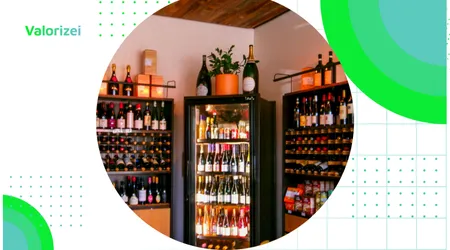
Even thousands of kilometers away from American stadiums, Brazilian retail businesses feel the direct impact of fan behavior.
The cultural habit of gathering to watch matches acts as a highly predictable driver of domestic consumption.
The National Confederation of Commerce projects an injection of R$4.32 billion into the national retail market, driven by convenience shopping.
Supermarkets, bars, and beverage distributors are operating at peak season pace, adjusting their inventory to the specific times of the broadcasts.
The sporting goods market is taking advantage of the renewal of uniforms and retro collections to inflate the revenue of major global apparel brands.
Similarly, the consumer electronics industry is experiencing its traditional race for larger screens and state-of-the-art audio systems.
The investments in the 2026 World Cup These factors become valid when investors consider the logistical reach of these consumer goods companies.
Diversifying your portfolio with assets that capture this quick cash is a smart defensive move for the end of the fiscal year.
To track exchange rate fluctuations and analyses of companies involved in global sponsorship deals, the portal Exam It offers real-time financial monitoring of the markets.
The advance of SportsTechs and venture capital
Furthermore, the capital markets and venture capital funds are focusing their attention on these calls. SportsTechs — startups focused on athletic performance, game data analysis, and fan engagement through augmented reality.
There's a misconception that technological innovation in sports is limited to the big streaming players, but the real economies of scale lie in niche solutions that sell operational efficiency to clubs and leagues.
The appetite for assets that digitize the fan experience creates an environment of strong liquidity, outlining a scenario where venture capitalists can capture value long before these companies reach the public stock market.
+ Cheap stocks in 2026: how to identify real opportunities
Final Considerations
Macroeconomic data makes it clear that the current tournament acts as a short-term financial accelerator with lasting side effects.
Knowing where to allocate capital — whether in logistics, transmission technology, or cyclical consumption — differentiates the strategic investor from the opportunistic speculator.
A cold analysis of bank statements and consumer behavior at headquarters remain the best indicators for capturing these returns safely.
Frequently Asked Questions (FAQ)
What are the sectors with the highest potential for investment in the 2026 World Cup?
The tourism, transport logistics, telecommunications (especially 5G infrastructure), digital security, convenience retail, and beverage sectors account for the largest profit projections.
How to invest in companies that will profit from the event?
The most common strategy is through shares of publicly traded consumer and logistics companies, as well as real estate investment trusts (REITs) with hotel assets in the host cities.
What is the projected real impact on global GDP this year?
Large financial institutions estimate that the economic activity surrounding the tournament will add approximately US$41 billion to global economic activity.
Can Brazilian retailers make a profit even if the country isn't hosting the games?
Yes. The projected additional revenue for Brazilian commerce exceeds R$ 4 billion, driven mainly by the food, beverage, and electronics sectors.
Does the economic growth generated by the host cities remain after the tournament?
The legacy focuses on urban infrastructure, telecommunications, and transportation modernization, which continue to generate economic efficiency long after the games have ended.