Economic expansion into the interior of the country: medium-sized cities will grow more in 2026.
A internalization of the economy In Brazil, it consolidated itself in 2026 as the main driver of the national Gross Domestic Product, exceeding experts' expectations and changing the consumption landscape.
Announcements
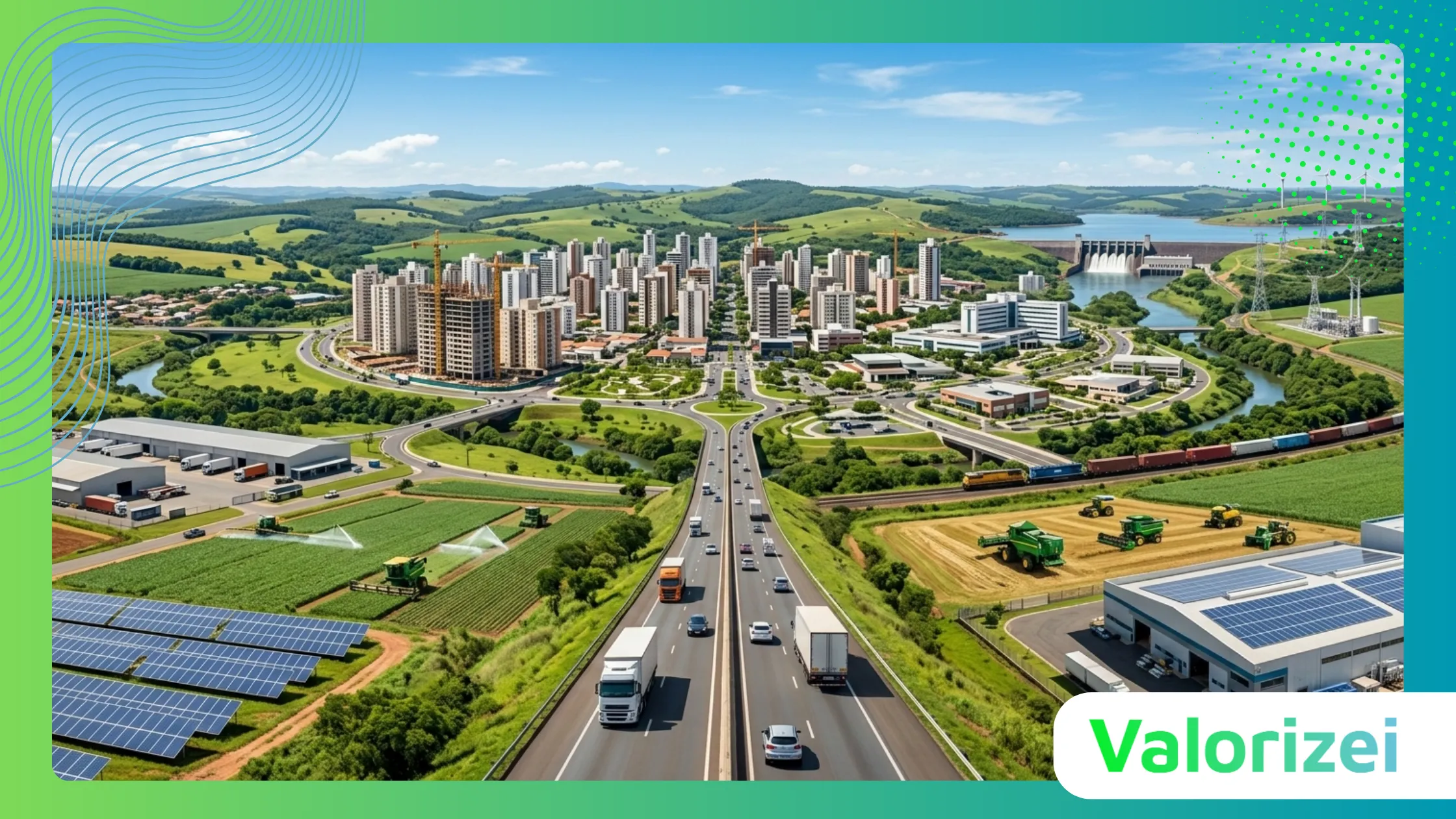
While large metropolitan areas face logistical bottlenecks and real estate saturation, medium-sized cities are emerging as hubs of innovation, infrastructure, and high quality of life.
This phenomenon reflects an unprecedented productive decentralization, driven by technological agribusiness, the expansion of renewable energies, and the strengthening of the service sector in strategic regional hubs.
Strengthening these intermediate urban centers not only generates skilled jobs, but also promotes a demographic balance that is essential for the country's long-term sustainable development.
Below, we have prepared a complete guide to this transformation, analyzing the factors that place the interior of the country at the top of this year's economic agenda and the opportunities for investors and professionals.
Summary
- What factors will accelerate the shift to the interior of the country in 2026?
- Which medium-sized cities lead in GDP?
- How does technology enable regional growth?
- What is the role of franchises and physical retail?
- Table: Growth Comparison 2025-2026
- Conclusion
- FAQ
What factors are driving the internalization of the economy in 2026?
The current dynamics of internalization of the economy It is supported by a combination of public investment in logistics infrastructure and the maturity of sectors such as clean energy.
The paving of new transportation routes, such as the completion of crucial sections of the Bioceanic Route, has positioned cities in the Midwest as strategic hubs for international trade.
Announcements
Furthermore, the reduced operating costs outside of capital cities attract industries seeking efficiency and proximity to raw materials, especially in food processing and biofuels.
The pursuit of a better quality of life has also influenced the migration of skilled talent, who now find competitive salaries and lower housing costs in medium-sized cities.
This movement creates a virtuous cycle of local consumption, where the income generated by the productive sector fuels neighborhood commerce and specialized services.
The result is a more connected urban network, where dependence on large coastal centers decreases drastically, strengthening the resilience of the Brazilian economy against external crises.
Where are the new centers of wealth in Brazil?
Cities with populations between 100,000 and 500,000 have become the new centers of gravity for national development, showing growth rates higher than those of capital cities.
Municipalities such as Sinop (MT), Sorriso (MT) and Luís Eduardo Magalhães (BA) continue to surprise with GDP per capita figures that rank among the highest in Brazil.
In the South, Palhoça (SC) and Fazenda Rio Grande (PR) stand out as productive extensions of their capitals, offering state-of-the-art infrastructure and environments conducive to technological entrepreneurship.
These cities are no longer just dormitories or support bases, but complete ecosystems that offer higher education, highly complex healthcare, and diverse leisure activities.
Decentralization allows states that were previously peripheral in the industrial landscape to now lead rankings in exports and innovation in agtech and biotechnology.
What is the impact of decentralization on the service and leisure sector?
The supply of fine dining, luxury hotels, and cultural entertainment services kept pace with the accelerated rhythm of... internalization of the economy in all productive regions of the country.
State-of-the-art shopping malls and state-of-the-art medical centers have opened in cities that previously relied exclusively on distant metropolitan centers for complex healthcare.
This commercial autonomy strengthens the collection of municipal taxes, allowing city governments to invest in public parks, smart lighting, and high-definition camera surveillance.
In 2026, rural citizens will enjoy a sophisticated consumer ecosystem that caters to everything from basic needs to the desire for prestigious global brands.
Business tourism and corporate events have also migrated to these new centers of gravity, generating a constant demand for hospital beds and modern convention centers.
The prosperity of the service sector is a direct reflection of a population with higher disposable income and an increasingly diversified and resilient local economy.
How does technology promote the decentralization of the economy?
Accelerated digitization has eliminated the geographical barriers that historically limited the progress of inland cities, allowing them to... internalization of the economy if it occurred based on high-value services.
With the expansion of the 5G network to almost the entire national territory by 2026, technology companies will operate in remote cities with the same efficiency as in São Paulo.
Remote work and hybrid management models have enabled high-performing professionals to reside in smaller cities while maintaining their ties to large global corporations.
This influx of human capital raises the intellectual level of local communities and stimulates the creation of startups that solve specific regional problems.
In industry, the adoption of the Internet of Things (IoTThe use of Artificial Intelligence in rural farms and factories has increased productivity without the need for large urban centers.
Technology, therefore, acts as the great equalizer, ensuring that innovation is no longer an exclusive privilege of densely populated metropolises.
+ Economic growth: which sectors are really driving Brazil's GDP?
Which retail sectors are growing the most in the interior of the country?
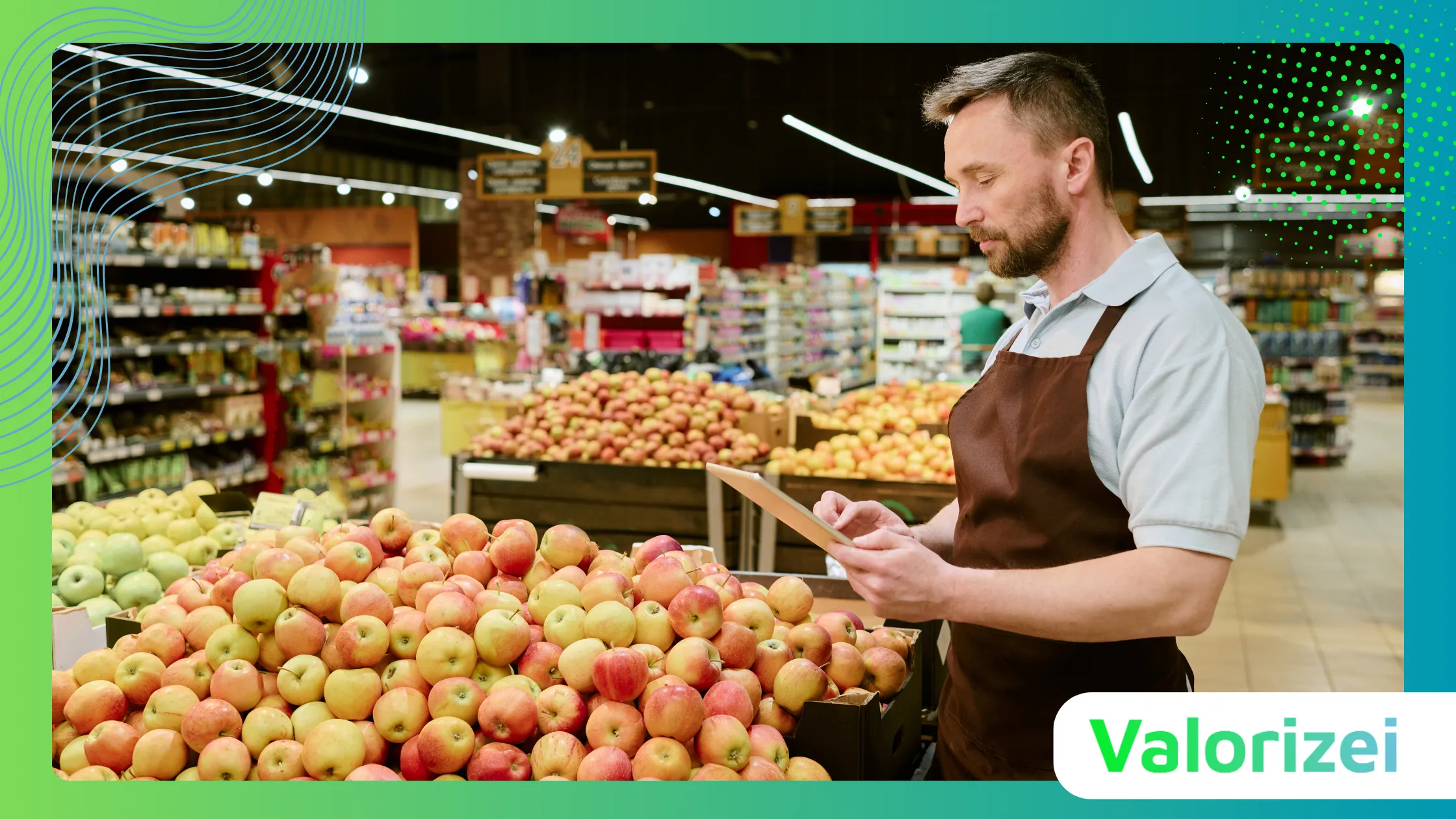
The franchise sector is one of the major beneficiaries of this movement, registering an expansion of its presence in more than 701,300 Brazilian municipalities this year.
Established brands in the food, education, and beauty sectors are migrating to rural areas to capture the increased purchasing power of these emerging populations.
E-commerce also plays a vital role, using medium-sized cities as "last mile" distribution points to reduce delivery times in previously underserved regions.
This integration between the digital and the physical creates new job opportunities in logistics and customer service, diversifying the local economic base.
The consolidation of regional retail strengthens municipal revenue, allowing for new investments in urban planning and security, which attracts even more residents and businesses.
It is a feedback process that solidifies the internalization of the economy as a state strategy and not just a passing market trend.
Comparison of Growth and Indicators (Data 2026)
The table below presents an estimate based on GDP growth projections and development indicators for different types of municipalities in 2026.
+ Fiscal policy in 2026: how spending control affects citizens' wallets
| City Category | Estimated GDP Growth (2026) | Main Economic Engine | Job Balance (Average) |
| Metropolitan areas (> 1 million inhabitants) | 1,5% | Financial Services / Tech | Stable |
| Medium-sized cities (200k-500k) | 4,2% | Agribusiness / Logistics | High |
| Regional Hubs (100k-200k) | 3,8% | Franchises / Civil Construction | Moderate |
| Border Cities | 5,1% | Foreign Trade / Infrastructure | High |
Conclusion
A internalization of the economy Brazil's future in 2026 is not just a statistic, but a paradigm shift that redefines business and social success.
The vigorous growth of medium-sized cities demonstrates that the country has found a way to reduce regional inequalities through productivity and decentralized innovation.
For investors, the interior represents the new frontier of profitability, where the demand for modern services and infrastructure still has vast room for expansion.
For the citizen, it means the possibility of building a successful career without giving up a more humane, safe and balanced urban environment.
In short, the fastest-growing cities today are those that have managed to combine the strength of the land with the intelligence of digital technology, creating a more prosperous Brazil that is less dependent on its traditional economic centers.
FAQ: Frequently Asked Questions
What is the definition of a medium-sized city for economic purposes?
Medium-sized cities are generally those with between 100,000 and 500,000 inhabitants, functioning as service hubs for surrounding microregions.
Why is the decentralization of the economy important for Brazil?
It reduces pressure on the infrastructure of capital cities, distributes income more evenly, and promotes the development of historically less industrialized regions.
Which states are leading in rural development in 2026?
Mato Grosso, Santa Catarina, Paraná, and Goiás are leading the movement, closely followed by centers in the interior of Bahia and Ceará.
Is the growth of the interior sustainable in the long term?
Yes, provided it is accompanied by urban planning and environmental preservation, especially in areas where agribusiness and mineral extraction are the mainstays.
How can small businesses take advantage of the economic shift towards the interior of the country?
Small businesses can operate by providing specialized services to large local industries or invest in franchises of nationally established brands.