
Discover once and for all the difference between the commercial euro and the tourist euro
Announcements
What is the difference between the commercial euro and the tourist euro? This is a common question for those who want to travel to Europe.
Many people, before buying euros for an international trip, research the values on exchange rate websites. However, when it comes time to buy the currency, they realize that the values are different.
Want to know why this happens? Then keep reading. We’ll explain everything about it.
What is euro tourism?
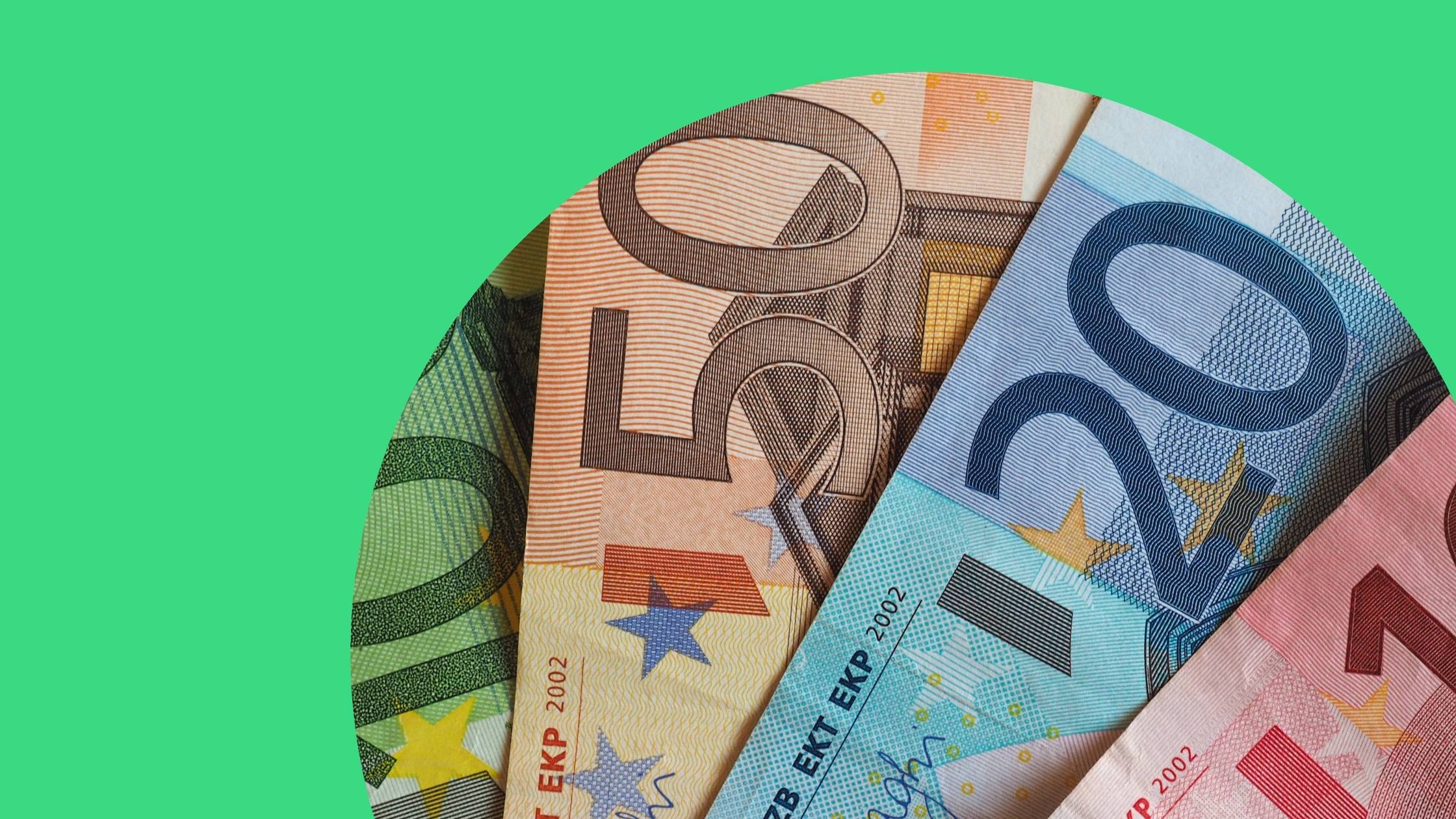
The tourism euro represents the currency exchange rate for people who want to travel abroad or purchase products on international websites and airline tickets.
The quote is actually based on the cost of the commercial currency, but with the addition of the Tax on Financial Transactions (IOF), in addition to, of course, operational costs, such as transportation service, safe maintenance, etc.
And this is one of the reasons why there is a difference between the value of the commercial euro and the tourist euro.
What is commercial euro?
The commercial euro is used in commercial transactions, such as the sale of goods or services between organizations.
It is established by transactions that include imports and exports, financial institution operations, among others.
The value of the tourist euro is always higher than that of the commercial euro.
What is the difference between commercial euro and tourist euro?
As you can see, the tourist euro is the currency purchased by people who intend to travel to another country.
Tourist Euros can be purchased at currency exchange offices, banks and travel agencies.
Commercial, on the other hand, is for commercial transactions. The value is negotiated between banks and companies.
However, the Central Bank carries out a certain amount of control to prevent the price from rising too much, as this causes a lack of control in the import process. and devaluation of the real.
Which countries use the euro as their currency?
The countries that use the euro as their currency are: Germany, Austria, Belgium, Cyprus, Slovakia, Slovenia, Spain, Estonia, Finland, France, Greece, Ireland, Italy, Luxembourg, Malta, Netherlands and Portugal.
What is needed to buy euros?
When making a purchase, present your CPF and ID, as this is necessary for transactions involving the purchase of international currencies.
In fact, if you intend to purchase amounts above 3 thousand dollars or the equivalent in other foreign currencies, you must prove the origin of the money.
This can be done in a number of ways, such as an income tax return, pay slip or other original document.

Tips for those who want to buy euros
The value of the euro has been well above the real for some years now.
This certainly makes shopping difficult. However, if you want to travel abroad, there are some tips to help you choose the best time to buy euros and save money.
Research and lots of planning
If you want to purchase an international currency, you need to do research at several exchange offices and banks.
This way, you can find the best quote on the market.
Knowing where to buy and understanding the transaction methods is essential for anyone who wants to buy euros.
Define how much you want to buy or need
Are you planning to buy euros for a specific reason, such as a trip, or are you thinking of saving up?
If you already have a goal for this money, it is important to keep in mind how much you want to acquire.
This way, you will know exactly how much you need to purchase each month until you reach your goal.
Track the daily commercial euro quote
It is important to remember that daily fluctuations can impact the final value.
For this reason, it is essential that you do this monitoring frequently.
This way, you can know what the currency's high and low averages are and identify the best buying opportunities.
Negotiate rates and quotes
If the exchange rate is cheaper on the day you want to buy or if you intend to acquire a large amount, you can try to negotiate the rates.
This is because Brazil's exchange rate policy is floating, that is, the value of international currencies varies according to Brazil's currency reserves and the international market.
Transfer to an overseas account
If you have an account abroad, you can save money when making transfers.
Transfers must be made through online platforms, as this way, the fee will really be worth it.
There are several reliable and safe options on the market, such as Online Shipping, for example.
Don't buy everything at once
If you can wait, buy euros little by little.
Check the price frequently on the websites and take advantage of the days with the lowest price to make your purchase.
What are the fees for buying euros?
There are fees included in the tourist exchange rate by financial institutions.
In addition, the Central Bank requires that purchases of currencies from other countries be taxed with the IOF of 1.10% for own ownership and 0.38% for third parties.
It is important to remember that rates vary depending on the channel used.
Is it better to buy euros at exchange offices or banks?
Both options are safe.
But generally, buying euros at exchange offices is cheaper than buying at banks.
However, before doing any business, check whether the exchange office in question is accredited by the Central Bank.
What is the Tax on Financial Transactions (IOF)?
The Tax on Financial Transactions, IOF, is a federal tax paid by individuals and legal entities on any type of financial transaction, such as credit, foreign exchange, insurance and securities transactions.
The tax percentage depends on the type of transaction being carried out.
Conclusion
Now you know the main difference between the commercial and tourist euro.
Take advantage of our tips and save money when buying euros!
And if you want to know the difference between commercial and tourist dollars, Click here to read another article we have prepared for you.