

What is children's financial education and why is it so important?
Announcements
Financial education for children is an extremely important topic for teaching them to save, understand the value of money, and have a more prosperous life in the future.
It is no wonder that this issue has been gaining more and more traction in the country, not only in family life, but also in schools.
With that in mind, let's talk more about this concept and show you the benefits that financial education brings to child development.
Continue reading and understand more about the subject.
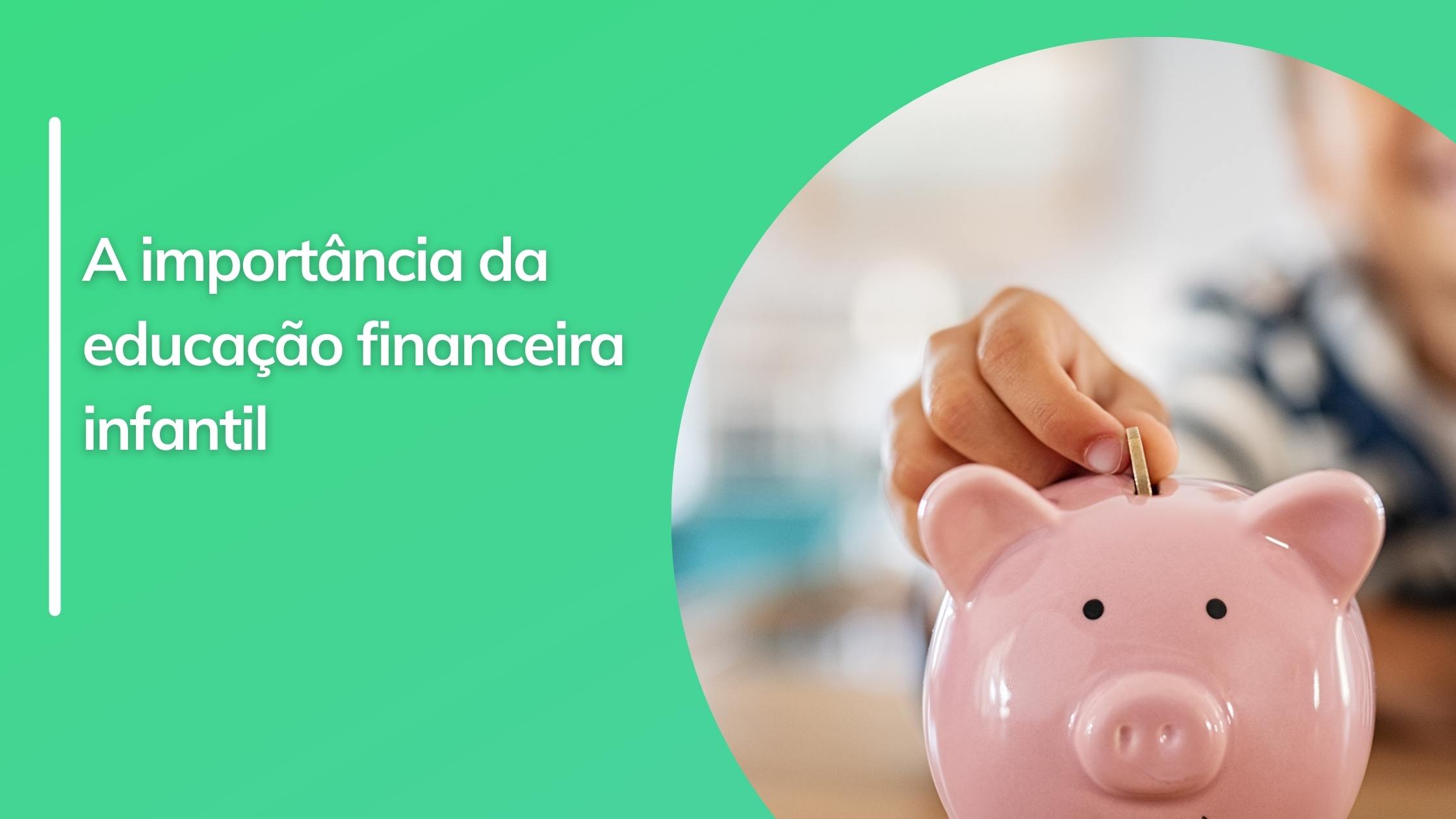
What is children's financial education?
Financial education for children is the teaching of personal finances at a young age with the aim of introducing and shaping children's relationship with money.
This way, children can learn about the basic principles of financial education and the value of money.
By understanding the basics, children will have discipline from an early age and thus develop the maturity necessary to make good decisions in the future, better managing money and avoiding debt.
How important is children's financial education?
Financial education is important at any stage of life.
In childhood, when children receive lessons on this topic, they begin to have a more realistic view of money.
Many people think that this subject is only important for adults, but that is not true.
After all, young children don't need to understand complex financial planning concepts.
The goal, as we said, is to introduce this topic to children, so that they can learn more about financial education and the value of money.
This way, when they become adults, they will have an easier time managing their own budget and making investments.
What are the advantages of children's financial education?
By hearing about financial education, children acquire important skills that will be very useful in the future.
Below, see the main advantages of passing on this knowledge to children:
1. Organization
Personal organization with plans and expenses is one of the main objectives of financial education.
From an early age, it's important to know how much you have, how much you can spend, and the importance of saving.
Show your child that if they have a goal, they can save first so they can buy it later.
At this stage, you can encourage your child to build up a small reserve to achieve the desired goal.
For example, if a child receives R$ 10 per week and wants to buy a toy that costs R$ 40, they will need to save all of their allowance for 4 weeks or a smaller amount for a longer period.
2. Responsibility and self-control
When you start giving your child an allowance, it's very likely that they'll spend all of it.
It is important to say that mistakes are part of this process and, therefore, try not to interfere.
Of course, it's important to give advice and talk about the issue, but let your child start making their own decisions.
This practice will help the child acquire more responsibility regarding money and, consequently, self-control.

3. Recognize the value of money
A child who learns about financial education will find it easier to make good decisions in the future.
When she becomes an adult, she will have to deal with various types of expenses, think about saving, making investments, among others.
Therefore, understanding the basic concept of saving and spending, as we discussed, will help you develop good habits that will be useful in the future.
When to start financial education lessons for children and teenagers?
You already know the importance and benefits of children's financial education.
But after all, how to approach this subject at home?
This is a very common question among parents and guardians. To begin teaching about this topic, it's important to consider the child's age.
With that in mind, we'll show you how to approach this topic according to the age group:
Children aged 4 to 6
At this stage, the child has the period of greatest mental and physical development.
Furthermore, it is from this stage onwards that consumer behavior is strengthened.
Starting at age 5, you can give your child their first piggy bank. Ideally, it should be transparent so they can see the money accumulating.
Even though at this age the child still doesn't have a concept of prices, you can start giving small amounts and explaining that to buy a toy, you need to save up.
This is also important for training patience and the habit of saving.
Children aged 7 to 13
At this age, children already know how to do some math and better understand their relationship with money.
For this reason, you can already start giving an allowance, as the child can do addition and subtraction calculations, understand values, etc.
Encourage children to use money responsibly, but also let them make some decisions, so they can better understand the importance of saving and acquiring. good consumption habits.
To make things easier, don't treat financial education as a heavy topic. After all, this is a great age group to learn about financial literacy and the value of money.
But of course, you can talk about the conscious use of your allowance and give examples, especially through educational games, books, among others.
From 14 years old
Teaching basic financial literacy concepts from a young age is essential for children to reach adolescence with a strong sense of responsibility and knowledge.
In addition to receiving an allowance, you can open a savings account for your child, which will make it easier for them to manage their money and track their spending.
Everything learned at this stage will be useful in the future, when the young person starts receiving their own salary and has to manage the bills alone!

Conclusion
Financial education for children is very important for children.
The knowledge acquired at this stage will provide lessons on the value of money, economics, and healthier consumption habits.
Talk to the child and explain the importance of the subject, but don't forget the main thing: teach by example!