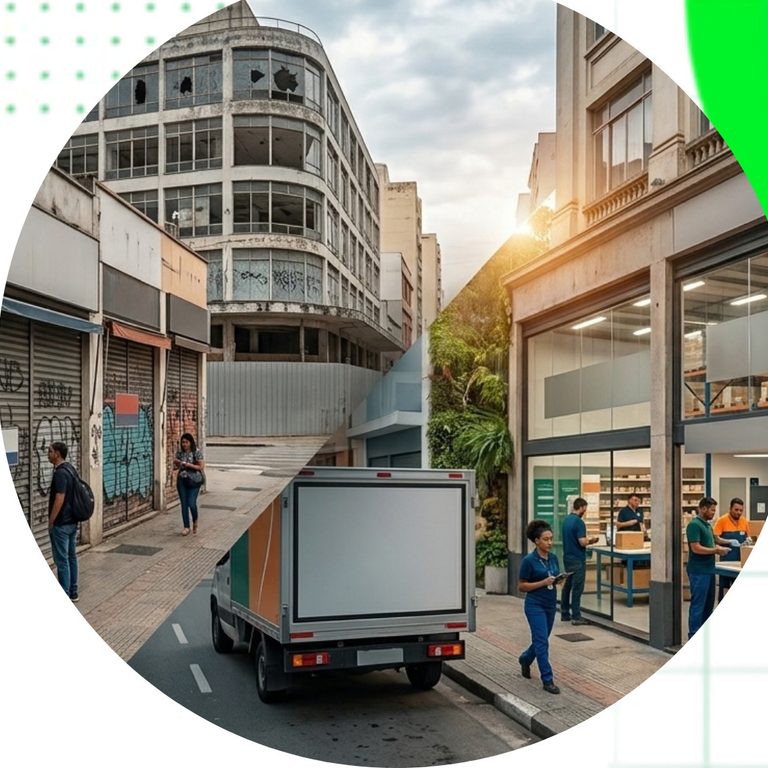

A delivery economy It has transformed the routine of Brazilians, who now prioritize convenience and comfort in their daily meals.
Announcements
This convenience hides a silent impact on the monthly budget of many Brazilian families.
The habit of ordering food through apps has grown exponentially, driven by the fast-paced routine of big cities. The modern consumer seeks to optimize their time through quick solutions on their smartphone screen.
This article analyzes the current market scenario, the psychological triggers of consumption, and practical strategies for financial control. Discover below how to keep your budget under complete control.
Summary
- What drives the growth of the delivery economy in Brazil?
- What are the hidden costs that increase the price of your order?
- How does the brain react to the consumption triggers of apps?
- What is the real impact of delivery services on household finances?
- What practical strategies can help you save money without cutting out delivery?
What drives the growth of the delivery economy in Brazil?
Several sociodemographic factors explain the strong consolidation of delivery economy Across the country in recent years, the relentless pursuit of practicality has been a driving force behind the motivations of today's urban consumer.
Exhausting work routines reduce the time available for preparing healthy meals at home. The smartphone has become a natural extension of the kitchen for millions of people.
Digital platforms invest heavily in personalized algorithms to continuously retain user attention. This hyper-personalization creates a need for consumption that often didn't even exist before.
The Brazilian market stands out as one of the largest in Latin America in terms of digital transaction volume. Improved logistics infrastructure ensures increasingly faster and more efficient deliveries.
Changes in social behavior also solidified the habit of consuming within private residential settings. Isolation generated new forms of leisure centered on the comfort of one's own home.
+ The economics of anxiety: Brazilians buy to relieve stress.
What are the hidden costs that increase the price of your order?
Consumer price perception generally focuses only on the nominal value of the chosen dish. delivery economyHowever, it includes several additional fees that inflate the final price.
Dynamic delivery rates vary depending on distance, weather, and current demand. These additional costs accumulate considerably after thirty days of regular consumption.
Special packaging for shipping and service fees charged by the platforms also weigh on the customer's wallet. Often these costs appear disguised in fine print on the checkout screen.
Restaurants themselves often adjust the prices of items on the virtual menus of delivery apps. This practice offsets the high commissions charged by partner technology companies.
Tips for delivery drivers, while optional, are often included in the bills of more conscientious users. All these small amounts add up to a significant sum at the end of the month.
+ Pix key blocked in digital account: how fraud is flagged
How does the brain react to the consumption triggers of apps?

Large technology platforms utilize advanced neurobiological tactics to encourage frequent impulse purchases. The design of the apps is specifically engineered to release dopamine in the human brain.
Personalized push notifications strategically appear during the times when workers are most hungry or tired. Limited-time discount coupons create a false sense of immediate urgency.
High-resolution images and positive user reviews trigger social proof. The simplified one-click checkout process reduces financial friction.
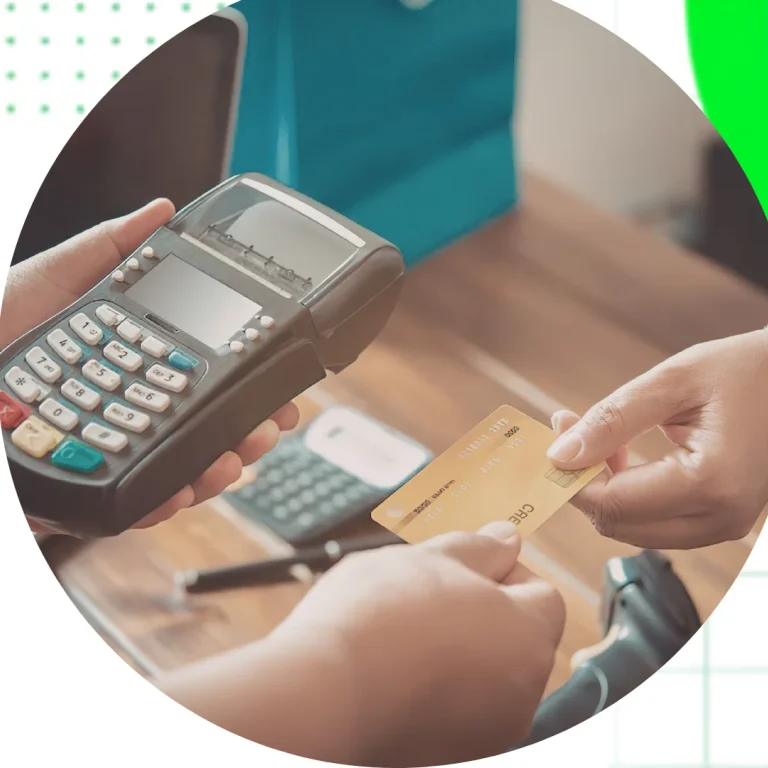
The absence of physical money at the time of payment reduces the psychological pain of monetary expenditure. A registered credit card makes consumption abstract and seemingly harmless.
Free shipping contingent on a minimum purchase amount induces customers to add unnecessary items. This subtle psychological manipulation increases the average transaction value without us realizing it.
+ Pix key blocked in digital account: how fraud is flagged
What is the real impact of delivery services on household finances?
Financial analysts warn that spending on food outside the home represents a dangerous portion of the budget. delivery economy It drains resources that could be allocated to investments.
Many Brazilians are unaware of the exact total amount they spend on food delivery apps each month. Fragmented bank statements mask the true impact of this convenience on family financial planning.
Credit card debt increases when convenience spending exceeds disposable income. Small daily snacks compete directly with important long-term financial goals.
Experts from the Getulio Vargas Foundation point out that service sector inflation directly impacts purchasing power. Closely monitoring these economic indicators is crucial for financial health.
To better understand the impact of these choices, observe the projected annual expenses based on weekly frequencies in the table below:
| Weekly Frequency | Average Cost per Order (R$) | Estimated Monthly Cost (R$) | Total Annual Impact (R$) |
| 2 times | 70,00 | 560,00 | 6.720,00 |
| 4 times | 70,00 | 1.120,00 | 13.440,00 |
| 6 times | 70,00 | 1.680,00 | 20.160,00 |
What practical strategies can help you save money without cutting out delivery?
Adjusting habits in delivery economy This doesn't mean completely eliminating the pleasure of ordering takeout. The secret lies in mindful moderation and strategic meal planning.
Setting a strict monthly spending limit for apps prevents surprises on your credit card bill. Using prepaid cards Specific devices designed for this purpose help to limit impulses.
Organizing the week's menu and cooking in batches reduces reliance on fast delivery services. Homemade frozen meals are a lifesaver on days of extreme fatigue after work.
Searching for prices directly on restaurants' own channels often yields excellent discounts. Many establishments offer advantages to those who buy outside of major commercial platforms.
Disabling automatic notifications from apps drastically reduces the temptation generated by daily coupons. Consumption should occur out of genuine need and never out of mere commercial impulse.
Taking advantage of local loyalty programs and fixed-rate delivery fees to nearby neighborhoods minimizes operational costs. Small changes in attitude generate significant savings in the annual financial balance sheet.
Conclusion
A delivery economy It's here to stay, bringing undeniable convenience to the modern, connected lives of citizens. The real challenge today is finding the right balance between convenience and financial responsibility.
Identifying consumption triggers and embedded costs protects assets without requiring extreme sacrifices. Awareness transforms the consumer's relationship with delivery apps.
FAQ (Frequently Asked Questions)
What does the delivery economy encompass?
A delivery economy It encompasses the entire logistical, technological, and commercial chain that enables the delivery of meals and products directly to the end consumer's home quickly.
Why do we spend more on food delivery apps?
We spend more due to psychological triggers such as urgency, ease of digital payment, and hidden fees. These factors reduce the immediate perception of money leaving the bank account.
How do you calculate the impact of delivery on your budget?
Add up all the delivery app transactions on your credit card statement for the last three months. Divide the total by three to find your actual monthly average.
Is it worth signing up for free shipping clubs?
Only if the frequency of orders justifies the fixed monthly subscription fee for the program. Otherwise, the subscription becomes just another invisible fixed cost in the budget.
How can you replace delivery on days when you're feeling tired?
Keep portions of frozen homemade food or quick-preparation meals stocked in the pantry. This avoids the need to resort to apps during moments of extreme exhaustion.