Cost of living in 2026: why living in capital cities has become more expensive than in the countryside.
O cost of living in 2026 This consolidated a trend that had been emerging in recent years: the strategic economic migration from large metropolitan areas to cities in the Brazilian interior.
Announcements
This phenomenon is not merely a lifestyle choice, but a direct response to real estate inflation and the rising cost of basic services in urban centers.
In this article, we will explore the economic factors that have transformed the financial reality of capital cities, comparing actual spending and offering a comprehensive overview for those seeking financial efficiency this year.
Summary
- The new real estate dynamics of metropolitan areas
- Why have basic services increased so much in capital cities?
- Comparative Table: Capital vs. Interior in 2026
- The impact of hybrid work on the regional market.
- How to plan your move with a focus on saving money
- FAQ: Frequently Asked Questions
Why have real estate markets in capital cities reached record levels?
The saturation of urban space in Brazilian capitals has raised the price per square meter to prohibitive levels for the middle class, directly impacting the average family budget.
The scarcity of new land in central areas has forced extreme verticalization, where compact apartments now cost twice as much as spacious houses in cities in the interior of São Paulo or Santa Catarina states.
Furthermore, interest rates and the cost of construction materials kept rental prices high, draining a large portion of monthly income in metropolitan areas.
Real estate planning in medium-sized cities, on the other hand, has allowed for more controlled horizontal expansion, which keeps residential and commercial rental prices at acceptable levels.
Announcements
What factors influence the price of food and services in capital cities?
Transporting goods to large urban centers faces immense logistical challenges, ranging from restrictions on truck schedules to the high cost of storage and distribution in densely populated areas.
Fresh food reaches the tables of capital cities with profit margins inflated by middlemen, while in the interior, proximity to green belts guarantees much more competitive and healthier prices.
Convenience, leisure, and education services also follow this logic, as establishments pass on the high operational costs of their commercial rents directly to the end consumer in metropolitan areas.
In this way, the cost of living in 2026 There is a notable discrepancy between the price paid for a kilogram of fruits and vegetables in the capital compared to the local market in the interior.
+ Economic growth: which sectors are really driving Brazil's GDP?
How does urban infrastructure impact monthly fixed expenses?
To better visualize this disparity, we analyzed average consumption data for a family of four, comparing capital cities like São Paulo with medium-sized cities in the interior of the country.
The numbers show that financial management requires much more rigor for those who choose to remain in the most densely populated areas of the country today, due to service fees.
It is noticeable that, even with nominally higher salaries in large urban centers, real purchasing power is often greater for those who live at least 150 kilometers from the capital cities.
Below, we present a projection of expenses based on current market indices, reflecting the Brazilian economic reality for the current fiscal year and the regional variations observed.
Comparison of Estimated Monthly Expenses (2026)
| Expense Category | Average in Capital Cities (R$) | Average in the Interior (R$) | Difference (%) |
| Rent (Property with 3 bedrooms) | 5.800,00 | 2.900,00 | -50% |
| Food (Monthly Basket) | 1.450,00 | 1.100,00 | -24% |
| Education (Tuition Fee) | 2.200,00 | 1.400,00 | -36% |
| Leisure and Gastronomy | 900,00 | 550,00 | -38% |
| Condominium Fees and Taxes | 1.100,00 | 450,00 | -59% |
What role does remote work play in promoting rural areas?
The definitive consolidation of the hybrid work model has allowed qualified professionals to maintain their jobs in large corporations while living in less densely populated and safer locations.
This economic decentralization has boosted local markets, but it still keeps the cost of living lower, since the urban infrastructure of these cities is more efficient and less congested.
Many companies now offer assistance to those who choose remote work, encouraging employees to seek out regions where... cost of living in 2026 Provide greater well-being and productivity.
+ Brazilian economy in 2026: what has changed after the consolidation of the tax reform
How do energy and water rates vary between regions?
In capital cities, sanitation and energy infrastructure often operates at the limit of its capacity, generating maintenance costs and overloads that are passed on through specific usage tariffs.
The interior of the country, on the other hand, has invested heavily in renewable energy and distributed microgeneration, allowing condominiums to drastically reduce their dependence on traditional and more expensive electricity grids.
These fixed expenses, which seem small in isolation, make up a significant portion of the budget, making daily life more burdensome for those who live in older buildings in overcrowded metropolitan centers.
Energy and water efficiency in newer housing projects in the country's interior directly impacts monthly savings, ensuring greater financial reserves for Brazilian families.
Which cities offer the best balance between infrastructure and cost?
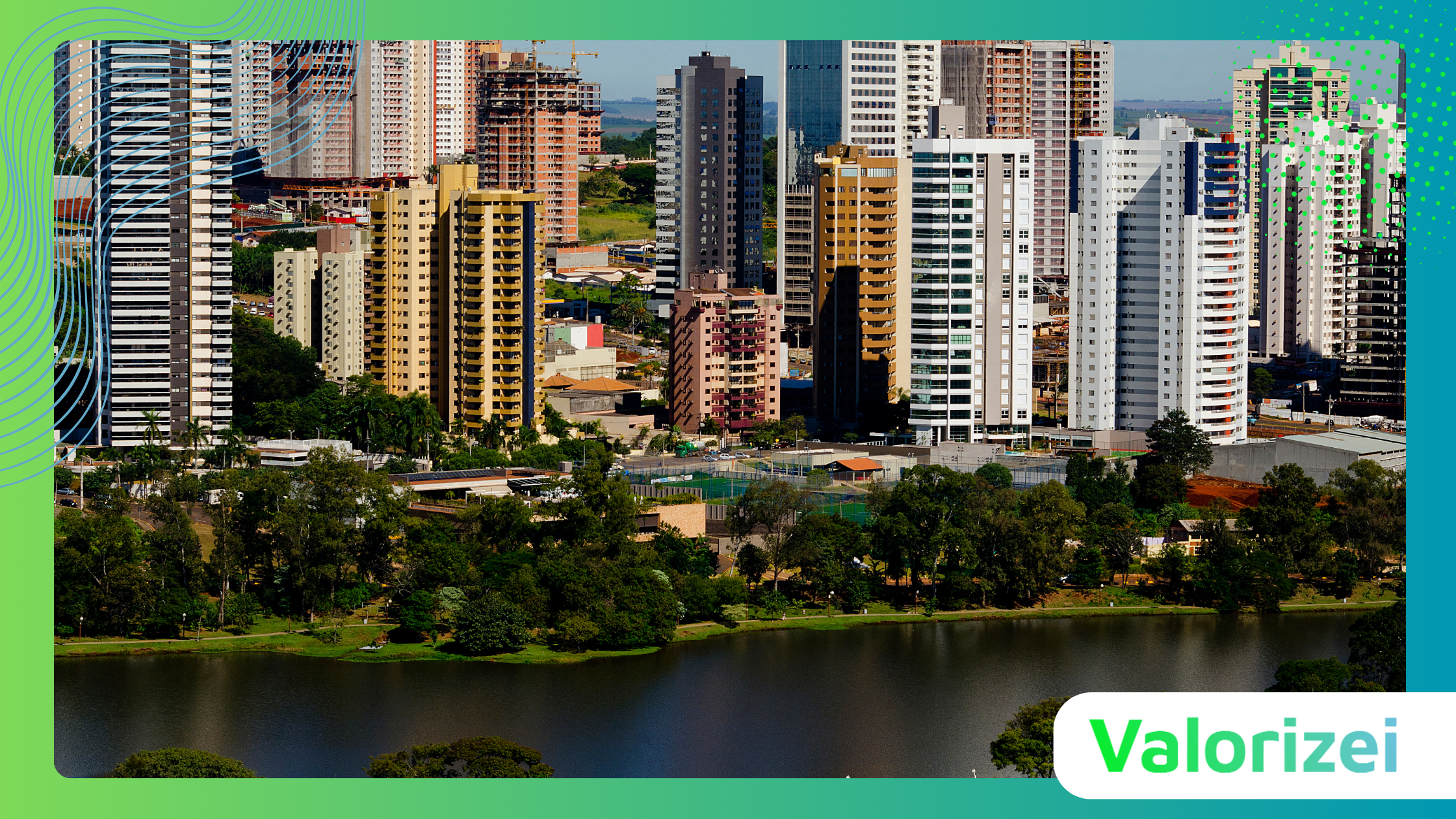
Cities like São José dos Campos, Joinville, and Ribeirão Preto stand out, offering world-class health and education services without the logistical chaos of Brazil's largest capitals.
These municipalities have managed to attract industries and technology centers, ensuring that the local economy is resilient and offers career opportunities as robust as those found in major financial centers.
The secret to these places lies in planned urban management, which prevents the formation of slums and uncontrolled growth, keeping the supply of housing balanced with the real demand from the migrant population.
Analyze the cost of living in 2026 Studies in these regions reveal that the quality of public services tends to be superior, reducing dependence on expensive private services common in metropolitan areas.
Why does public safety indirectly impact your wallet?
Living in capital cities with high crime rates requires additional expenses for more expensive car insurance, 24-hour private monitoring, and extremely costly state-of-the-art home security systems.
In rural areas, the perception of security is generally higher, which translates into cheaper insurance policies and less need for constant asset protection on the part of resident families.
This "invisible" economy can represent significant annual savings, which can be redirected to financial investments or to improving the quality of life, leisure, and education of children in the long term.
Reducing stress related to safety also impacts mental health, which decreases expenses on treatments and therapies, a factor that is increasingly relevant in today's household economy.
+ Credit renegotiation before the holidays: opportunities in the credit market.
How to successfully plan the transition from the capital to the interior?
Planning should begin with a detailed analysis of your current fixed costs versus the reality of the destination city, considering that some expenses may arise from necessary intercity travel.
It is essential to visit the intended city on different days of the week to understand the local traffic flow and the availability of essential services, ensuring a smooth transition.
Negotiating employment contracts that allow for geographical flexibility is the final step in ensuring that... cost of living in 2026 Be your ally in building wealth.
Also assess the internet infrastructure of the new region, as stable connectivity is the cornerstone that sustains the financial viability of those who work far from major national corporate centers.
Conclusion
Living in capital cities has become a luxury that doesn't always deliver the expected return in quality of life or financial efficiency, forcing many families to reassess their priorities today.
The combination of stratospheric rents, saturated services, and high logistics costs has transformed the interior into an attractive, modern, and fully connected economic haven, attuned to the demands of the globalized job market.
If your goal is to maximize your income and reduce urban stress, now is the ideal time to consider moving to the countryside as a smart, balanced, and sustainable financial strategy.
For more details on economic indicators and regional inflation, please consult the official website of Central Bank of Brazil to keep up with projections that directly affect your purchasing power.
FAQ: Frequently Asked Questions
1. Is it worth moving to the countryside if I work in the capital city?
It depends on the distance and the mode of transport. If the travel time exceeds two hours per day, the cost of fuel and vehicle maintenance can negate the savings made with the monthly rental.
2. Does the countryside still offer good options for education and healthcare?
Yes, many medium-sized cities have excellent university centers and highly complex hospitals that serve the entire region, often with greater efficiency than metropolitan areas.
3. Does the cost of living in the interior tend to rise with this massive migration?
There is local inflationary pressure, but the urban planning of these cities generally allows for orderly expansion, preventing prices from reaching the critical levels seen in the country's largest capitals.
4. What are the leisure options like outside of the major capital cities?
Leisure activities in the countryside tend to revolve around contact with nature and clubs, although the cultural offerings of theaters and shopping malls have grown exponentially in recent years in the mid-sized regions.
5. Will it be more difficult to find skilled jobs in rural areas in 2026?
With the digitalization of the economy, the job market has become geographically agnostic for many roles, increasing opportunities for those who live outside traditional business and corporate centers.