
Check out the tips we’ve prepared for you to teach your children about financial education!
Announcements
How to teach children financial education? This is a question that many parents have.
After all, is there a right age to start talking about this? How to approach this type of thing?
By including financial habits in children's lives, parents will contribute to a more secure financial future.
With that in mind, in today’s article, we’re going to give you several tips on how to teach your children about financial education.
Read on to find out more.
What is children's financial education?
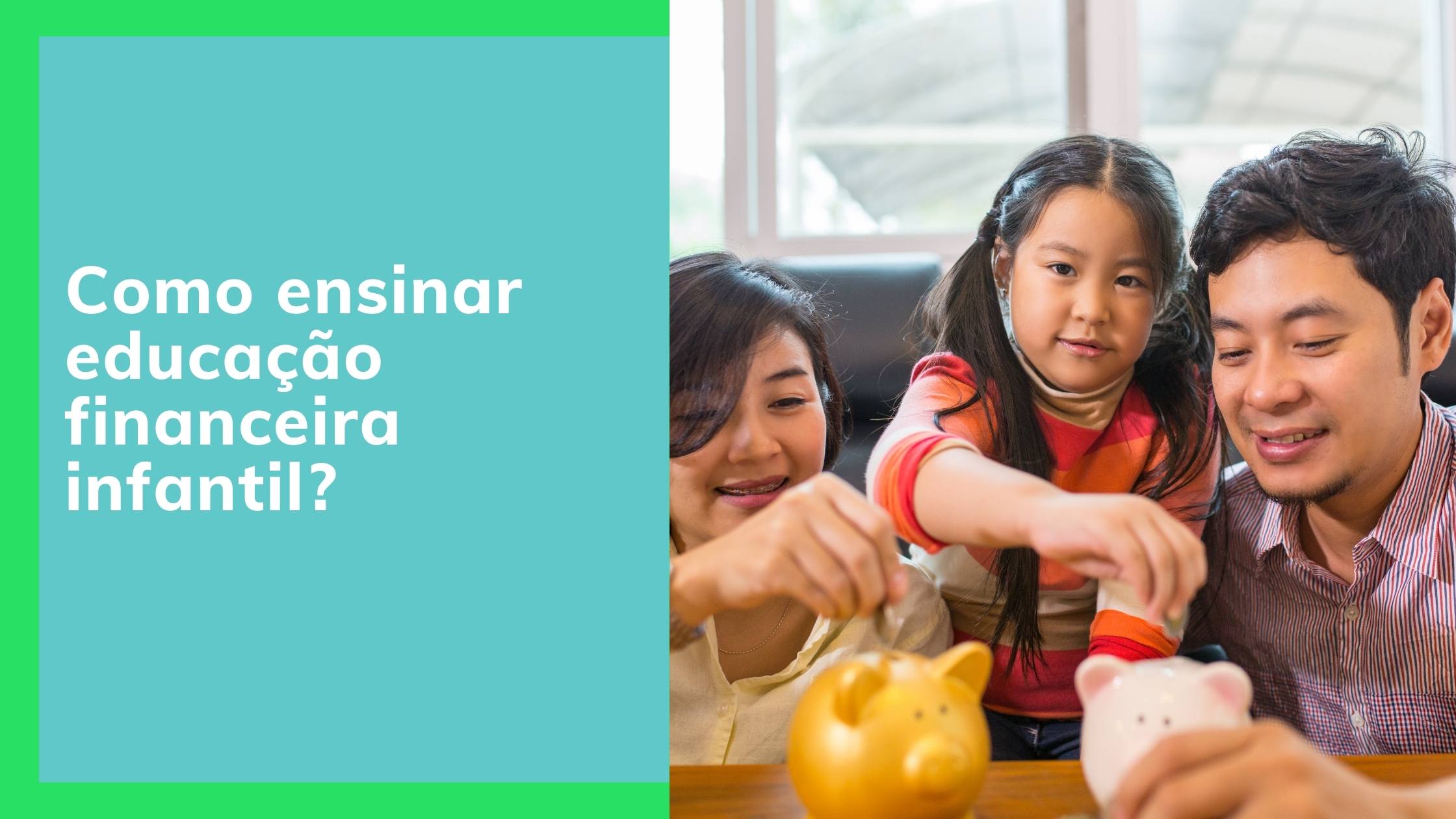
Children's financial education is the teaching of personal finances during childhood.
It is important that, even as a child, your child begins to understand some basic principles of finance, so that when he or she grows up, it will be easier for him or her to make investments and use money wisely.
There are several lessons that financial education can teach children. One of the most important, without a doubt, is helping them understand the value of money.
As the learning is transmitted, your child will gradually understand better about consumption habits and ways to save money.
How to teach children financial education?
After learning the importance of talking about finances with children, you will probably be interested in passing on to your children the basic principles of education and financial intelligence.
But before anything else, it is necessary to understand that financial education should be a natural subject at home.
Here are some tips we have prepared for you to talk about finances with your children:
1. Start with your allowance
Allowance is important so that your child can see, in practice, how to use money.
With an allowance, your child will be able to choose what to buy. Talk to your child about this. Then, get the family involved to decide on an allowance amount.
Among the main advantages of giving your children an allowance, we can mention:
• Teach children about the cost of things and the value of money
• Helps to understand the concepts of habit and cheap
• Creates financial responsibility
• Encourages the habit of saving
2. Teach your child to save
Saving means stopping spending money unnecessarily.
Saving means putting aside the money you have saved, so that you can have a financial reserve for times of financial unforeseen circumstances or achieve medium and long-term goals.
And this has everything to do with the process of teaching children financial education!
Once you decide you want to give your children an allowance, talk about the importance of having savings.
If your child is still young and you give them cash, talk about the importance of saving money to buy something they really want.
If your child is already a teenager and can use banking services, you can encourage him/her to save some of his/her money in the bank and talk more about safe financial investments (such as CDBs, for example).

3. Teach children to control spending
Controlling habits can be difficult not only for children and young people, but for adults as well.
So the sooner you start talking about this with your child, the better.
However, it is important to remember that the best way to teach a child to control spending is by setting an example.
For example, when planning, organizing and controlling household expenses, children will realize that this habit should be followed, as it brings several benefits.
When a child begins to see in practice the importance of using money responsibly, they end up learning along with it.
4. Talk about the importance of recording expenses
Expenses can be recorded in a notebook or spreadsheet.
Keeping track of your spending is the best way to understand exactly where your money is going. This is great for both adults and children.
Show your children the importance of recording their expenses and analyzing their finances. The goal here is to encourage your child to create and maintain this habit.
5. Talk about investments and long-term gains
For those who already have teenage children, this subject is extremely important.
As you already know, saving money is an excellent habit. Furthermore, it is normal for savings to be the first financial investment, especially in the case of young people.
However, it is also essential to talk to young people about other types of financial investments, which in addition to insurance, offer good profitability.
Explain ways to make money grow in the medium and long term.
It is also important to teach that the habit of saving and investing is necessary to achieve financial goals, whether short, medium or long term.
6. Use financial education books for children
There are several books that teach children about financial education.
This way, you encourage the habit of reading and teach important financial organization practices.
Including these lessons in everyday life will allow your child to learn more about the value of money, the importance of saving and planning.
See some book options on financial education for children:
• My First Personal Finance Book – Tatiane Laiser
• Guardians of the Galaxy: Rocket's Mighty Plan – Aubrey Sitterson
• The Seed of Wealth – Angelica Rodrigues Santos and Rogério Olegário do Carmo
• Money: Learn to Take Care of It While Playing – Cristina Von
• The Magic Sock – Álvaro Modernell
• Maluquinho Almanac – What money for? – Ziraldo.
• Zequinha and the Savings Piggy – Álvaro Modernell
• My little money – Carlos Eduardo F. Costa and Fabrício P. Soares

Conclusion
We hope this article has helped you better understand the importance of teaching financial education to children.
The sooner they come into contact with this important topic, the better.
This way, they will be able to develop healthier consumption habits in the future.