
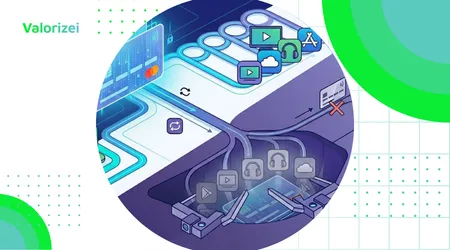
The use of recurring virtual card It has established itself as the backbone of the subscription economy by 2026, offering a layer of digital protection that, while effective against external fraud, has technical nuances that the average user tends to ignore.
Announcements
The convenience of managing streaming services and software with temporary phone numbers is undeniable, but there's something unsettling about how we delegate financial control to automatic payment algorithms without understanding the workings behind the screen.
Understanding how institutions process these charges is what separates technological convenience from a silent bureaucratic trap, ensuring that your statement doesn't become an inventory of forgotten expenses.
Table of Contents
- The real mechanics behind the perpetual digital card.
- The invisible danger of "financial leakage" in subscriptions.
- The invisible hand of the flags: automatic data update.
- Credit card limit strategies for total control.
- Comparative table: Temporary Virtual vs. Recurring.
- FAQ: What really happens when you cancel?
What defines how a recurring virtual card works?
O recurring virtual card It operates as a digital mirror of your physical credit, but with a vital distinction: it is designed to survive multiple transactions at the same establishment, maintaining its validity so that the service is not interrupted.
Unlike the disposable model, which self-destructs after a single purchase, this version preserves identification data, functioning as a "token" of trust between you and the content provider.
The technology uses layers of encryption that isolate the actual serial number from the plastic, creating a security barrier in case a third-party website's database is compromised by cybercriminals.
Essentially, you're creating a watertight compartment for each fixed expense, a financial architecture that should make organization easier, but requires an active monitoring approach from the account holder.
The great advantage of this card is not only its security against hackers, but also its ability to segment your spending without exposing the core of your financial life with each new subscription.
Payroll-deducted loans for retirees: what they are, how they work, and when they're worthwhile.
What are the hidden risks of monthly subscriptions?
The most insidious risk is forgetfulness. Small monthly figures tend to get mixed up in the bill, creating an outflow of capital that many experts call the "negligence tax."
There is a misconception that deleting this template in the banking app terminates the contractual relationship, which is a strategic error that can result in negative credit reports and accumulated interest.
If a contract is in place, simply removing the card only impedes cash flow, not the legal obligation, turning a security tool into a trigger for accidental default.
Added to this is forced renewal, where the billing system attempts to capture the value through data persistence mechanisms, ignoring the user's desire to passively discontinue the service.
Use the recurring virtual card Without regular maintenance, it's like leaving a dripping tap in an empty house; the damage is only noticed when the bill arrives at the end of the month, often irreversibly.
Virtual Card: Added Security or Just Another One?
How do the flags process the automatic update?
Visa and Mastercard operate sophisticated systems of Account Updater, which act as an invisible bridge, updating merchants on new numbers or expiration dates of their virtual cards.
This feature was designed to avoid the frustration of having a service cut off due to a card change, but it ends up taking away the consumer's control over the service. recurring virtual card, pursuing the newly generated data.
In practice, this means that "killing" a virtual card doesn't always eliminate the charge, making direct cancellation through the provider's dashboard the only safe and definitive way to stop a recurring expense.
Therefore, it should be interpreted as a technical shield and never as a tool for evading payments, requiring ethical and conscious management of digital cash flow.
Technical differences: which model to choose for each situation?
Choosing the wrong tool for the right task is the first step towards financial chaos. The table below summarizes how credit cards will behave in the 2026 ecosystem.
Comparison: Digital Card Models
| Attribute | Single Virtual Card | Recurring Virtual Card | Physical Card |
| Useful Life | One-time transaction (24h) | Permanent until exclusion | Validity period (years) |
| Ideal Use | Unknown e-commerce | Trusted signatures | In-person commerce |
| Vulnerability | Minimal (disposable) | Controlled by token | Physical exposure |
| Update | Non-existent | Automatic (Flag) | Automatic |
| Flexibility | Low for recurrence | High enough for management | Limited to plastic |
Managing limits as a safety lock
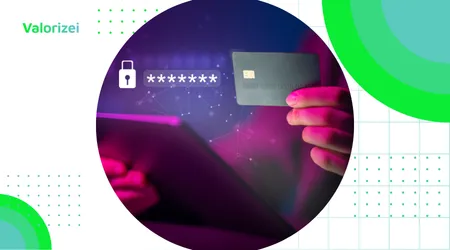
An underutilized but vital strategy is defining specific limits for each recurring virtual card, acting as a financial safeguard against abusive price increases or billing errors by companies.
If a streaming service decides to raise your monthly subscription price without your explicit consent, and the amount exceeds the limit set in the app, the transaction is blocked at the source, protecting your plans.
This tactic is a bitter remedy against "double dipping," when systemic flaws attempt to charge twice for the same period of service, something it blocks with surgical precision.
By segmenting limits, you force a manual interaction with your finances whenever a payment fails, providing the ideal moment to reassess whether that service still makes sense in your routine.
Maintain the recurring virtual card Keeping a tight rein transforms convenience into negotiating power, preventing automation from becoming a silent drain on your accumulated monthly wealth.
Financing and personal loans: which is better for each situation?
How to mitigate damage and maintain financial sovereignty?
The golden rule in 2026 is mapping. Keep a clear record of which service is linked to which one. recurring virtual card, avoiding mental confusion when auditing the monthly bill.
Whenever you decide to break with a platform, prioritize the formal cancellation process and keep the proof; passively abandoning the virtual card is a strategy that often fails under bureaucratic pressure.
Review your inventory of active cards in the app monthly and remove any. recurring virtual card that has not served a clear purpose in the last thirty days of continuous use.
Enabling real-time notifications is the first step towards security; seeing the debit the instant it occurs allows for an immediate reaction against fraud or improper charges for services that have already been canceled.
This card model is a robust technological ally, but its effectiveness is proportional to the user's discipline in not accepting passivity as the standard in the consumption of digital services.
Reflection on convenience and digital surveillance.
The banking ecosystem demands a consumer who is more than just a bill payer; it requires a proactive data manager who utilizes the... card with tactical intelligence.
Data isolation security is a tremendous advancement, but the risk of "phantom signatures" and automatic flag updates is the price we pay for the automation of our daily lives.
Mastering these mechanisms and applying individual safety locks transforms the recurring virtual card in a protective bastion, ensuring that technology works for you and not the other way around.
The ease of a click should not negate the rigor of the review process, as the ultimate responsibility for the fate of your money remains tied to your ability to analyze and constantly intervene.
To learn more about your rights and how to proceed in debt collection disputes, visit the portal. Consumidor.gov.br It offers the necessary guidelines for mediating conflicts with financial institutions and digital service providers.
Frequently Asked Questions (FAQ)
1. Does deleting the virtual card terminate the contract?
No. Delete the card It simply cuts off the payment route. The legal relationship with the company remains, and the debt will continue to exist, potentially leading to serious legal and financial consequences.
2. Does the recurring virtual card protect against data leaks?
Yes, it isolates your physical card number. If the merchant's database is compromised, only your card details will be protected. recurring virtual card They will be exposed, preserving the integrity of your main account.
3. Can I use this card to make purchases on websites I don't know?
Although it works, the recommended option for new websites is a single-use virtual card. recurring virtual card It is best suited for companies where you intend to maintain a long-term business relationship.
4. How do I prevent the card network from automatically updating my card?
Many banks allow you to disable "automatic updates" in the app's security settings. If you can't find it, contact support and request that they block this data persistence service.
5. Does creating many virtual cards lower my credit score?
The number of virtual cards created does not directly impact your credit score, as they merely mirror your current credit limit. What affects your score is the default rate generated by unpaid subscriptions.