Repackaged products: strategy reduces the impact of inflation.

Buy repackaged products It has become the great financial survival trick in today's Brazilian retail market.
Announcements
This method places merchandise on virtual shelves that has been returned to stock for a silly reason — a tear in the cardboard box, a dent in transit — but which retains its internal motor intact and the same factory warranty as a sealed item.
The quest to stretch one's salary until the end of the month has transformed what was once a hidden niche into a robust market.
Large retailers have stopped hiding these items in the back of warehouses and have set up sophisticated digital outlets, targeting a consumer who has lost their prejudice in exchange for a good discount.
The journey so far reveals a lot about how our consumer choices have changed.
Throughout this article, we will break down how this market operates in practice, the pitfalls you should avoid, the real size of the savings in your pocket, and the environmental impact of this mechanism.
Summary
- What are repackaged products?
- Main advantages of buying
- The impact of inflation on the sector
- Where to shop safely
- Consumer rights guaranteed
- Differences between repackaged, used, and refurbished.
- Analysis: Is it worth the investment?
- Frequently Asked Questions (FAQ)
What are repackaged products and how do they reach the market?
The Brazilian e-commerce ecosystem deals daily with a mountain of returns, fueled by the rush of deliveries and the buyer's right to regret a purchase.
The repackaged products They are born precisely from this dynamic of logistical back and forth, where the original packaging suffers during transit, but the contents survive without a single scratch.
There is a rigorous screening process that most people are unaware of.
When the reverse logistics truck unloads at the distribution center, technical teams take over, subjecting devices to stress, battery, screen, and connectivity tests.
The rigor here is commercial: the store needs to be sure that the item will not generate a second return.
After inspection, the product is repackaged into a box, often made of brown cardboard or bearing the distributor's own seal.
It's a market of real opportunities, far removed from the old idea that items returned to inventory were synonymous with scrap or second-rate merchandise.
What are the real advantages of choosing this type of purchase?
The most obvious advantage hits your wallet directly, acting as an immediate relief against the widespread loss of purchasing power.
There is also an ecological backdrop that cannot be ignored, far removed from empty corporate rhetoric.
Each recovered device prevents the premature disposal of plastic, copper, and chips that would otherwise end up clogging electronic landfills.
This is the logic of the circular economy in action, where less waste generates real economic value for the buyer.
From a legal standpoint, the consumer is not left helpless on the tightrope.
The formal market protects this transaction with the same rules applied to conventional products, which dispels the common fear of acquiring a problem without a legal solution should something go wrong the following month.
How does inflation drive the market for refurbished and repackaged electronics?
The persistence of inflation in production costs has profoundly changed consumer mindset.
Just look at market reports to see how the prices of televisions and washing machines have climbed uncomfortably high in recent years.
This financial barrier forced the public to seek smart alternatives, migrating to channels that offer aggressive cuts in the official price list.
Retailers, realizing that consumers are more rational and less attached to the fetish of original bubble wrap, have professionalized the offering.
This change in behavior has reshaped the buying journey, transforming the pursuit of efficiency into a permanent habit.
+ The growth of the refurbished products market and its impact on the economy.
Where can you find and how can you assess the security of sales platforms?
To avoid falling into traps, the secret is to steer clear of the miraculous ads that pop up on social media and focus on large e-commerce ecosystems.
The consolidated platforms have specific tabs for the repackaged products, where they usually detail the exact aesthetic condition of each lot with photos or clear ratings.
A good practice before clicking "buy" is to check the store's history on complaint websites and technology forums.
Assess how the company reacts when logistical problems occur and whether its after-sales support is responsive; after all, customer service is the true test for these companies.
Reputable platforms also transparently display warranty conditions and technical inspection reports.
Ignoring this step and buying from unknown websites simply because of the low price is the quickest way to turn a money-saving opportunity into a headache.
+ Invisible digital microcost: why your money disappears in apps
Comparative Cost-Benefit Table
| Product Category | Average Discount Applied | Factory Warranty | External Aesthetic Condition |
| Premium Smartphones | 15% to 30% | Maintained in Full | Intact or with minor scratches |
| Corporate Notebooks | 20% to 35% | Maintained in Full | Replaced Box |
| Home appliances | 25% to 40% | Maintained in Full | Minor Side Dents |
| Smart TVs | 15% to 25% | Maintained in Full | Safe Generic Packaging |
What consumer rights are provided for under Brazilian law?
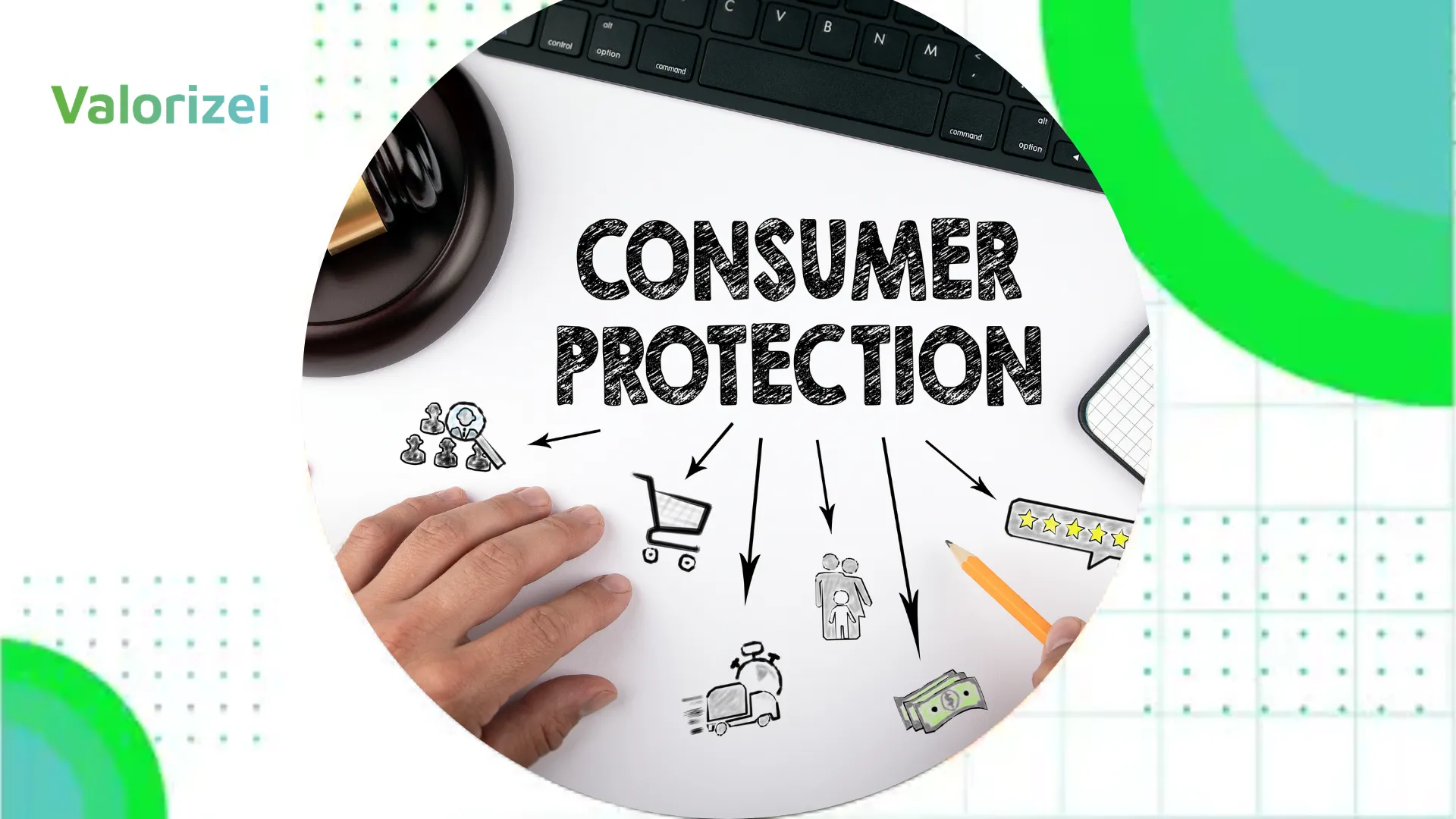
Many buyers still hesitate when faced with a generic box simply because they are unaware of the rules of the legal game.
The Brazilian Consumer Protection Code is strict and does not reduce the legal protection of the citizen simply because the item's packaging has been previously opened or replaced.
Those who buy online retain the right of withdrawal and can return the merchandise within seven days for any reason.
This timeframe is an excellent testing window for the user to stress-test the home appliance and assess whether its physical appearance matches what was promised.
To understand the macroeconomic dynamics that shape these consumer relations and the defenses against over-indebtedness, it is worthwhile to follow the reports of... Central Bank of Brazil.
The law guarantees the same ninety days of coverage for durable goods, regardless of the condition of the cardboard packaging.
How can you tell the difference between a repackaged product and a used or refurbished item?
The market uses different terms that often confuse the average consumer, but the distinction is simple.
Refurbished items tell a different story, as they have undergone technical intervention to correct a component that failed after leaving the assembly line.
They return to the market fully functional, but their history includes a replaced part or a circuit adjustment made in a partner laboratory of the brand.
Used items, on the other hand, carry the natural wear and tear of time, marks of daily use, and, in most cases, are no longer covered by the official manufacturer's warranty.
Understanding these differences prevents surprises and allows you to align your expectations with the actual value you are paying.
Is it worth investing in this strategy to upgrade household appliances?
Putting the numbers down on paper, the strategy proves to be extremely advantageous for those seeking efficiency without sacrificing technical security.
The money saved by replacing a refrigerator or computer can be allocated to investments or to paying for more urgent family expenses.
The old prejudice against products that have lost their original packaging has become irrelevant in light of the more mature auditing processes of large retail chains.
Adopting this purchasing model is a pragmatic response to times of high interest rates and restricted credit.
Financial intelligence involves the ability to identify these windows of opportunity in the market, securing cutting-edge technology for a fraction of the list price.
+ Consumption during the World Cup: impact on commerce and services.
Final Considerations
Prioritizing the purchase of goods that have returned to the logistics flow has become a healthy financial management habit.
The market of repackaged products It has become established because it delivers on its promises: legitimate technology, legal backing, and discounts that are hard to ignore in today's market.
The transparency of the platforms and the technical rigor in reviewing these items have brought the predictability that consumers demanded to break down old cultural barriers.
This is a mutually beneficial process, where retailers reduce inventory losses and buyers protect their financial assets.
For those who wish to closely monitor the indices that impact the cost of living and the prices of consumer goods, the economic notes of Brazilian Institute of Geography and Statistics (IBGE) They offer the ideal panorama.
Consuming intelligently requires letting go of aesthetic conventions and focusing on the real value that each choice brings to daily life.
FAQ – Frequently Asked Questions
Do repackaged products have an electronic invoice?
Yes. Issuing a sales receipt is mandatory and follows the same procedures as for a new product, serving as an essential document for activating the manufacturer's warranty.
What happens if the device has a hidden malfunction?
The procedure is standard for retail: simply contact the manufacturer's support or authorized technical assistance within the legally established timeframe.
Can I pay for these items in installments using credit cards?
Payment terms depend on each marketplace's internal policies, but the general rule allows for the traditional installment payment options offered for the rest of the catalog.
Does the generic case effectively protect the equipment during transport?
Distribution centers use reinforced cardboard packaging with high-density bubble wrap inside to ensure the item arrives intact at its destination.